While NASA’s lunar dreams wait, another crew eyes orbit
NASA’s first crewed lunar mission in more than 50 years won’t be getting underway this month after all.
It had been targeting February 6 for the launch of the much-anticipated Artemis II mission that will take four astronauts on a flight around the moon, but after issues surfaced during a critical preflight test on Tuesday, NASA decided that it won’t launch the SLS rocket until March at the earliest.
During the so-called “wet dress rehearsal” in which engineers fuel the rocket and go through the entire launch procedure without actually igniting the engines, a hydrogen leak was detected at the base of the SLS rocket.
The upcoming launch window runs from February 6 through 11, but NASA has decided it needs more time to review the situation, with a second rehearsal also likely. That’s meant pushing the launch date to March 6 at the earliest.
“With more than three years between SLS launches, we fully anticipated encountering challenges,” NASA chief Jared Isaacman wrote in a post on X on Tuesday. “That is precisely why we conduct a wet dress rehearsal. These tests are designed to surface issues before flight and set up launch day with the highest probability of success.”
The schedule update means that the Artemis II astronauts — NASA’s Victor Glover, Reid Wiseman, and Christina Koch, together with the Canadian Space Agency’s Jeremy Hansen — will have a bit of extra time on terra firma before they blast to space.
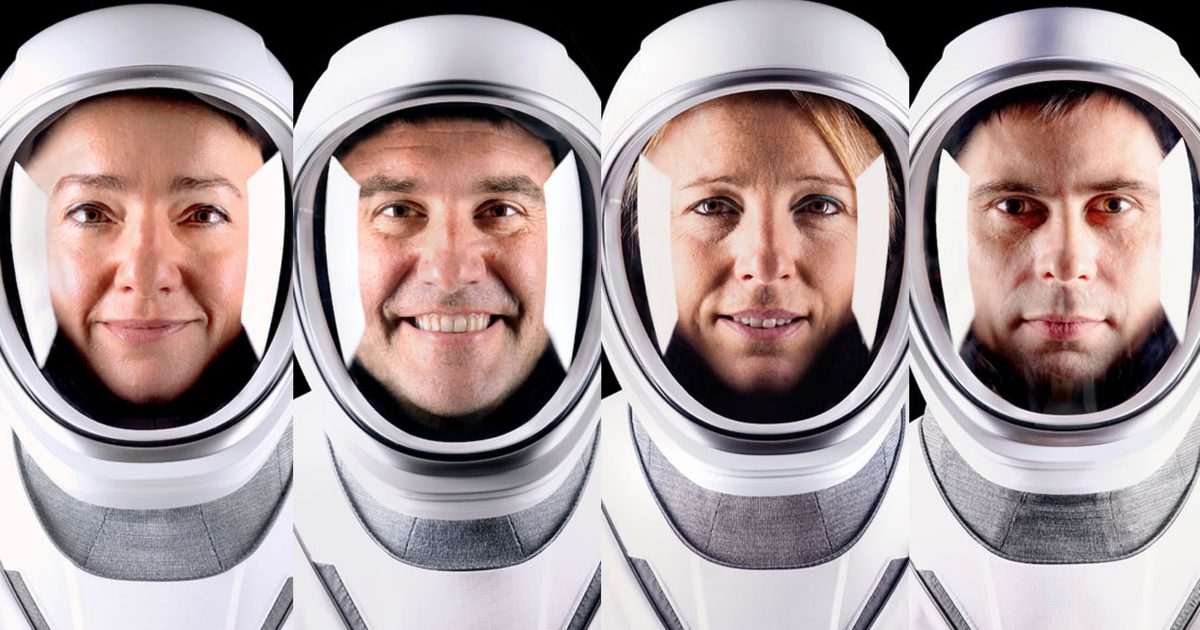
It also means that another set of astronauts should be heading to orbit ahead of their lunar-bound colleagues. SpaceX’s Crew-12 — comprising NASA astronauts Jessica Meir and Jack Hathaway, along with the European Space Agency’s Sophie Adenot and Roscosmos cosmonaut Andrey Fedyaev — could be heading to the International Space Station as early as February 11.
At least, that had been the plan until Monday, when SpaceX said it was grounding its workhorse Falcon 9 rocket — the same vehicle type that will be carrying Crew-12 to orbit — after an issue occurred during a launch earlier that day when its upper stage failed to perform a deorbit burn as expected.
“Teams are reviewing data to determine root cause and corrective actions before returning to flight,” the company said in a post on X.
It’s unusual for the Falcon 9 to experience anomalies these days, so hopefully SpaceX can sort it out soon, paving the way for Crew-12’s ride to orbit next week as originally planned.