Regency shooting: Kinahans 'had no idea' deadly attack was coming, ex Garda says 10 years on
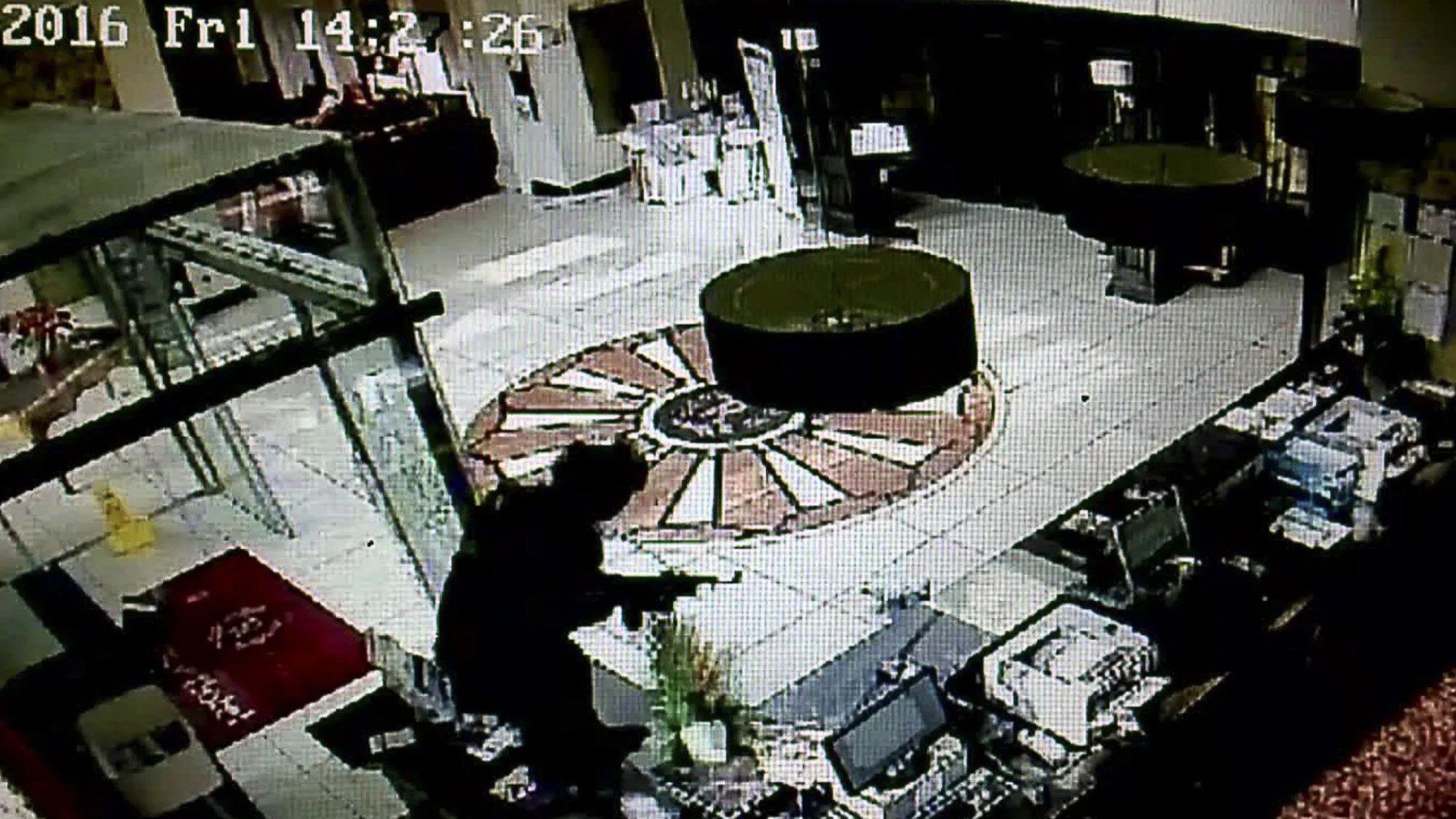
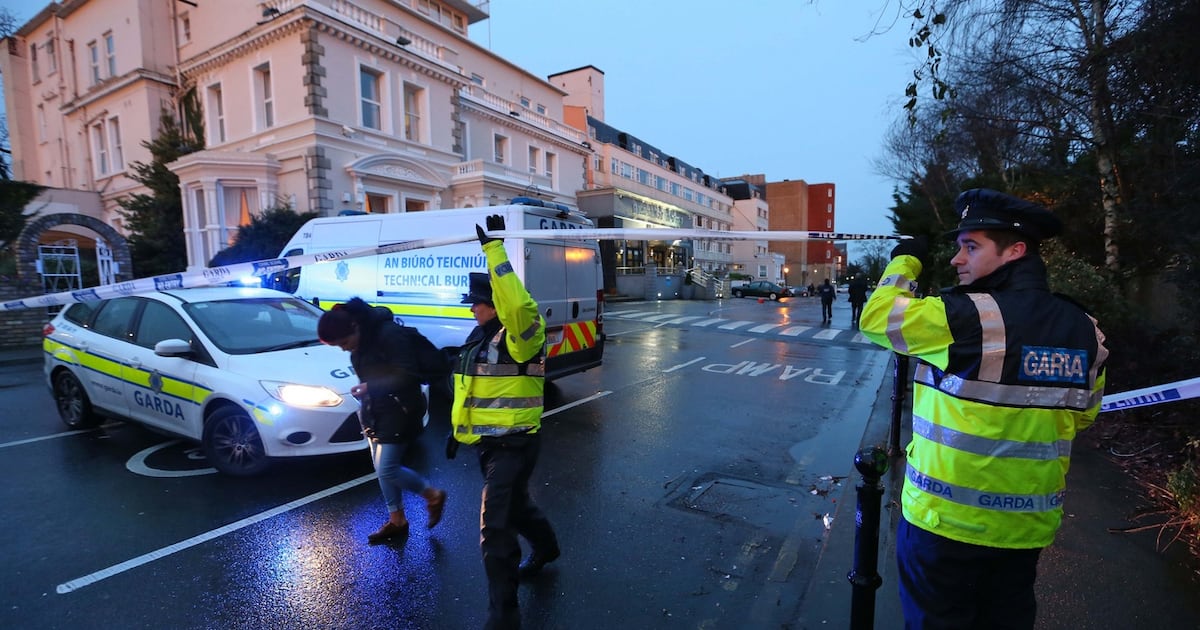
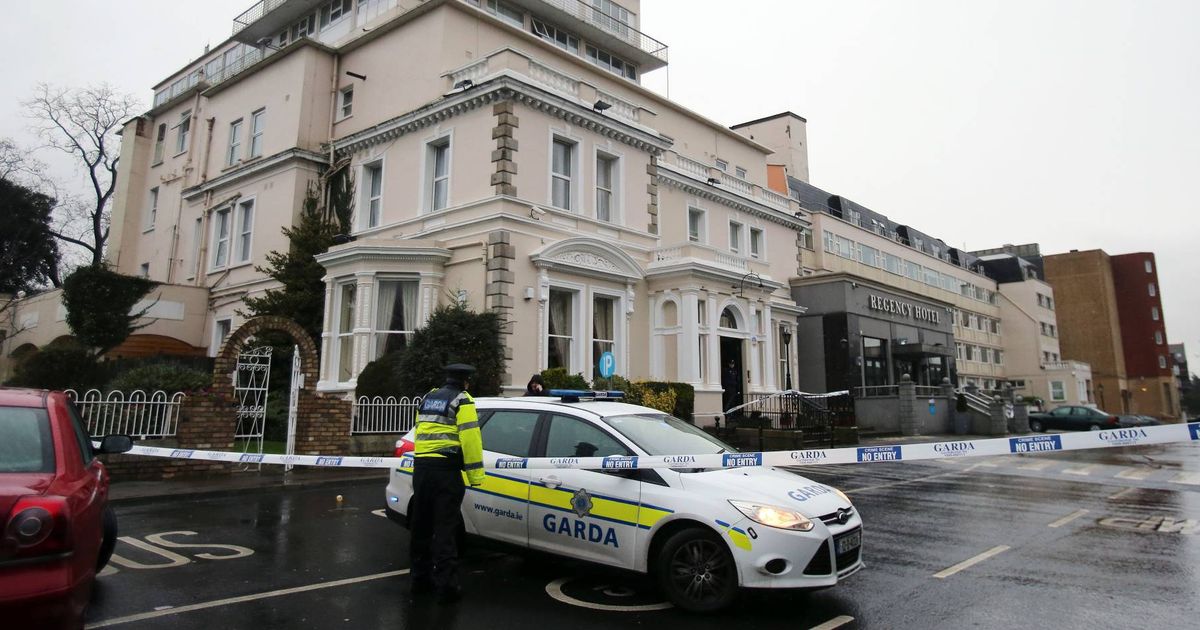
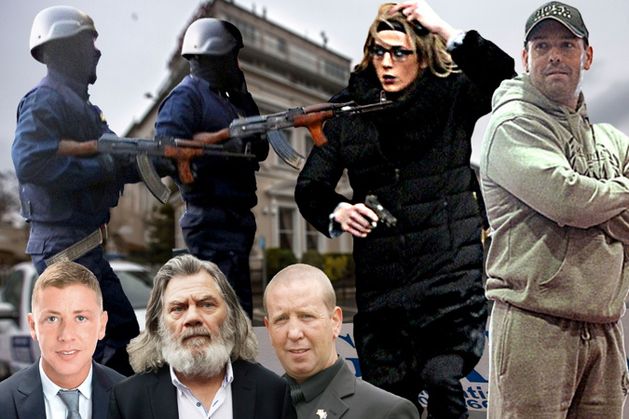
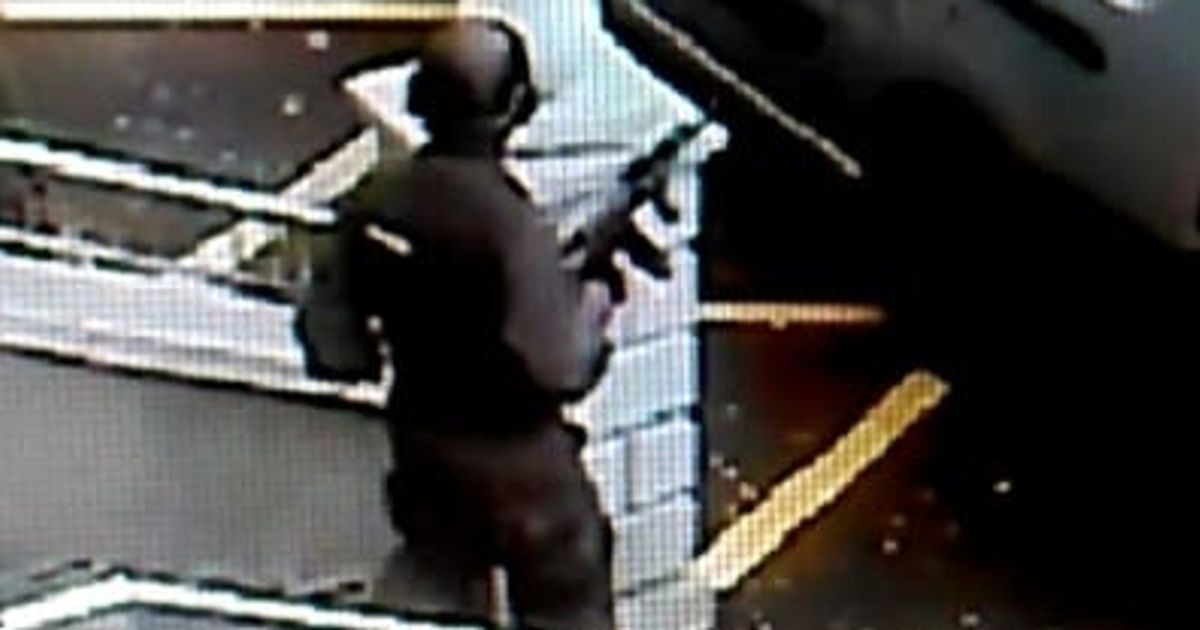
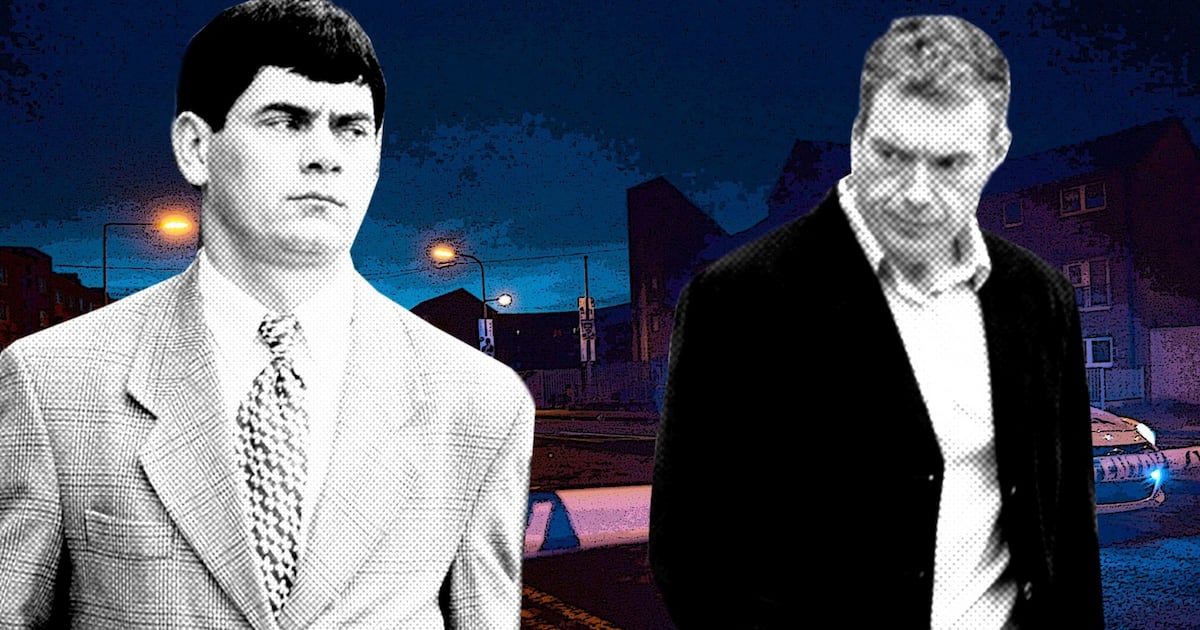
Mob boss Daniel Kinahan did not believe he was under any threat on the day of the Regency Hotel attack, a former top Garda has said.Former Garda Assistant Commissioner Michael O’Sullivan today defended the Garda intelligence around the time of the shooting, which occurred 10 years ago this week, saying not even the Kinahans, who had better intel than them at the time, saw it coming.“The Kinahans had a better criminal intelligence system than the guards and they didn’t know. They’d never set foot in this country if they thought there was a problem. They didn’t think for one second that there was a problem with anyone,” Mr O’Sullivan said in an exclusive interview.The experienced former Garda, who headed the Drugs and Organised Crime Bureau when the Regency shooting happened, said he’s aware that many people look back at the event in hindsight and ask why gardai were not keeping an eye on the Kinahans - especially in light of an attempt on Gerry Hutch in Lanzarote just months before - and the murder of Gary Hutch in Spain in September of 2015.Speaking to this paper’s podcast ‘Shattered Lives,’ which will be released tomorrow, Mr O’Sullivan said: “People look back with hindsight and say- 'Oh well Gerry Hutch, somebody tried to shoot him and therefore when the Kinahans came over, you’d know that was going to happen.' Absolutely not. The Kinahans didn’t know. They were coming over to enjoy themselves, to party. They didn’t think for one second that there was a problem with anyone.”We put it to Mr O’Sullivan that it has since been widely reported that there was an attempt to murder Daniel Kinahan at the Red Cow Inn in Dublin in November 2015, two months after the cartel had killed Gary Hutch. We asked how, with the benefit of hindsight and these events which preceded the Regency, that gardai did not see the hit coming.“I can turn it the other way. With all of those events…the Kinahans knew more about who tried to shoot them in the Red Cow than the guards did,” Mr O’Sullivan said.“And you know because someone goes to shoot someone in the Red Cow or anywhere else, the criminal world is so murky and there’s so many guys with so many grievances and then you throw coke and paranoia into the mix, that when an attempt is made on some guy, you cannot just say 'oh he must have done that.'There’s a half dozen people that could’ve done that.“So if you turn it around the other way - the Kinahans, despite an incident at the Red Cow and that incident is very murky - and there’s all sorts of groups jockeying for position and falling out with each other - the Kinahans never thought for one second there was a problem or that they were in danger.”And Mr O’Sullivan, who served over 40 years in the guards and once famously arrested Christy Kinahan in the 1980s, said that even if the Kinahans did try to murder 'The Monk' two months prior to the Regency, they did not believe it had put them in any danger.“So therefore, somebody says well somebody tried to shoot Gerry Hutch in the Canaries. Yes, there was intelligence on that. So could you say definitively it was Joe Bloggs and he did it on the orders of so and so?“The Kinahans, assuming they contracted the attempted murder of Gerry Hutch, even assuming that, they never thought that anyone would think that they were behind it. People make attempts on people that we never hear of sometimes. Some of them you do hear of six months later and it's slightly distorted,” he said.The brutal murder of cartel associate David Byrne occurred when the Hutch mob, some of whom were disguised as gardai and armed with Kalashnikov rifles, burst into the middle of a boxing weigh-in event at the hotel, gunning for Daniel Kinahan, on the afternoon of February 5, 2016.Speaking to us, Mr O’Sullivan, who attended the crime scene that day, also defended the fact that gardai were not actively surveilling either side ahead of the shooting - and argued that officers cannot just follow people around with no purpose.“On the other side of things guards and some people say oh they should have been put under surveillance. There are various ways of gathering intelligence which I'm not going to go into. But you deploy a surveillance unit on a target and you look at the value. If we follow this guy he will go and pick up a bag of guns. So you will deploy a team on that target so that he can be apprehended. The Kinahans coming and going, there is no value in standing with the TV cameras and the boxers and looking at them.“So you target your resources accordingly. Now if someone had come along and said we have intelligence that the Kinahans are going to be shot we’d have told the Kinahans. Because we do that sort of thing to prevent the loss of life,” he said.“There’s no way they would have come to Ireland if they thought they were at risk. They saw no signs of it and they had plenty of people, criminals on the ground feeding them back information. They had no problem, they thought. They did not believe it was a threat. If they thought their lives were in danger they’d never come to this country.”In the wide-ranging interview, which you can watch in full on the Irish Mirror Youtube channel this Thursday, Mr O’Sullivan also speaks in detail about the chaos that ensued in the hours following the Regency - and the massive Garda response to the threat on the ground.“A lot of people were warned, a lot of people knew and guards were outside their houses. As things evolved there was an element of guilt by association. It wasn’t just we’ll shoot somebody by the name of Hutch- it was we’ll shoot somebody who met somebody by the name of Hutch. It got to that stage- it just got mad stuff. You had some people shot and you had to sit down and think what?Speaking about those initial days, Mr O’Sullivan recalled how many people on both sides had to be warned of threats to their lives - while gardai in Dublin, who had virtually no resources, were scrambling for armed units from all over the country.“At the time you had armed response units in the country and what we had to do post Regency, for the weeks after that, was bring armed response units from the likes of Mullingar, Wexford, and the likes of Dundalk to patrol the city. Why, because you needed guns on the ground,” he said.But the “audacious” shooting changed not only gangland, but policing forever - and finally gave gardai the resources to fight back, he said. And it came at a time when the criminals were so emboldened as to believe they could carry out such an unprecedented crime - and get away with it.“The Regency was a catalyst, a little bit like the Veronica Guerin murder. Nobody was paying attention to the resources of the police during the recession. We hadn’t enough cars, we hadn’t enough personnel,” Mr O’Sullivan said.“There were districts in the country without cars. We were just on our knees at the time, trying to rob Peter to pay Paul. Trying to borrow resources and there wasn’t the money. There were huge cutbacks on the budget. So it brought about a lot of changes. One of the changes was it made the government stand up and say we’ve gone too far, that the guards aren’t adequately resourced and the proof of that is that criminals realised, we can do this and we probably won’t be confronted in time.”Describing the Regency shooting as a “milestone,” Mr O’Sullivan added: “If somebody had told you a week earlier, is it possible for a group of guys like that, armed like that, dressed like that, in the middle of the day to wander into a hotel, you would have said, no they couldn’t do that. It shows how far they had become emboldened I suppose and it showed that they calculated the risks and they reckoned they could do it and get away with it and just execute the plan and kill somebody.”You can read more of our interview with Michael O’Sullivan tomorrow, on the tenth anniversary of the Regency Hotel murder. The full interview will also be available to watch and listen to on our Shattered Lives Podcast. The first part of our Regency anniversary special is also available now on Youtube, Spotify and Apple podcasts.Subscribe to our newsletter for the latest news from the Irish Mirror direct to your inbox: Sign up here.