How Rapid Translate helps in brochure translation
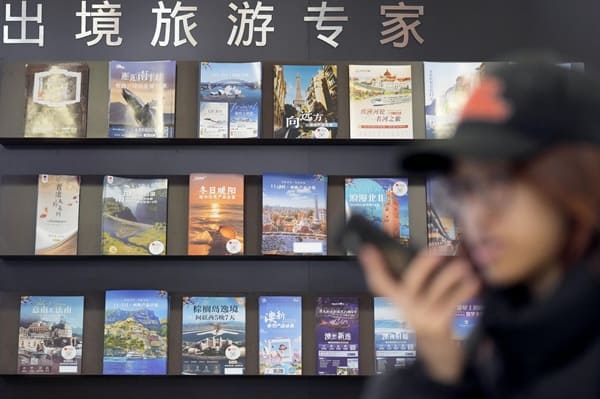
A glossy brochure is still one of the fastest ways to put your brand story in a buyer’s hands. Trade-show attendees tuck it into a tote, hotel guests leaf through it while waiting for a meeting, and new distributors scan it to see if you’re worth a call. When the same piece must work in Madrid, São Paulo, and Seoul, every headline, caption, and micro-copy line has to ring true in the reader’s own language. That simple requirement turns a familiar marketing asset into a high-stakes localisation project – one where schedule, accuracy, and brand voice have to move in lockstep.
Most teams discover the stakes when their first overseas launch is already underway. Design files are due at the printer, but halfway through brochure translation, a reviewer flags that a Spanish phrase overruns its text box, the German headline feels too casual, and the Japanese version risks a cultural faux pas. Suddenly, the timeline and the budget are wobbling. Tight deadlines put pressure on in-house staff, yet rushing invites errors that can embarrass a brand and frustrate local partners. Avoiding that crunch begins with understanding the hidden complexities of translating a brochure compared with a standard Word document.
The hidden pitfalls of turning English copy into multilingual brochures
A brochure carries more than words; it carries visual balance, legal disclaimers, and brand character all on the same spread. Expandable web pages can stretch, but print layouts have hard edges. A phrase that grows by 30 percent in French may wreck the elegant grid your designer laboured over. Then there’s the marketing nuance: idioms such as “hit the ground running” land flat in languages that picture the action differently. Compliance language adds a further twist. Financial or medical brochures often need territory-specific disclaimers and must be signed off by local regulators. Any service you hire has to deliver linguistic precision while keeping production practical.
That is where Rapid Translate proves its worth. By pairing a 50-strong bench of ATA-certified linguists with a guaranteed sub-24-hour turnaround on most projects, the service gives marketing teams a translation partner that acts at the speed of modern campaigns but does not cut corners. Every translator works into their native language, so tonal shifts, regional slang, and regulatory phrasing are handled with confidence. For marketers, that means fewer revision loops, fewer frantic calls to the printer, and a brochure that feels as if it were written locally from day one.
Speed without sacrifice
Marketing calendars rarely wait for linguistics. A product team decides on a last-minute feature, the launch date stays fixed, and suddenly, collateral must be updated in six languages before Friday. In that scenario, speed is not a luxury – it is risk mitigation. A vendor who can start overnight and deliver certified files the next afternoon keeps the project on the rails and the sales team armed with the right material. Fast does not have to mean sloppy, though. Professional workflows now combine translation memories, in-context previews, and dual QA passes so velocity and accuracy climb together. Choosing a provider that has proven it can hit one-day targets without compromising style or compliance is the safest bet for a marketing manager who lives by quarterly numbers.
A process built for marketers
Smooth execution depends on a process that respects both language and design. With a good partner, the steps look like this: first, you upload the native design file: InDesign, Illustrator, or even PowerPoint, along with brand guidelines, voice notes, and any terminology list you have. Next, a linguist translates in view of the layout, checking line breaks as they go, while a second linguist performs an independent review. Finally, the team returns a fully laid-out PDF plus the editable source file so your designer can make last-minute art tweaks without re-keying text. Having translation and desktop publishing under one roof removes classic hand-off delays and means you are never caught shuttling files between separate freelancers hours before a print deadline.
From upload to final PDF
Behind the scenes, translation memories and glossaries preserve consistency across multiple brochures. If your tagline appears 12 times, it will read identically every time. Contextual previews let translators see how copy flows around images, so line length is adjusted before it ever touches an art director’s screen. The review step is more than a spell-check; reviewers flag cultural references, colour symbolism issues, and punctuation differences (French spacing rules, for instance) that might jar a native reader. Once the linguistic sign-off is done, a desktop-publishing specialist fine-tunes kerning, hyphenation, and orphan lines so the final document looks as if it were originally set in the target language. When that polished PDF lands in your inbox, the only job left is to send it to the printer.
Counting the cost, And the payoff
At $27.99 per page for a standard brochure, certified accuracy included, the headline number feels straightforward. What marketers sometimes overlook is the cost of not translating, or of doing it poorly. A mis-translated spec sheet can stall a distributor deal that was months in the making. A culturally tone-deaf slogan sparks social-media backlash that demands a new print run. In contrast, a well-localised brochure shortens the sales cycle by letting prospects evaluate your offer without mental gymnastics. Factor in the lifetime value of even one additional international customer, and the translation budget quickly looks like a rounding error. Add-on options such as notarisation or hard copies are minor line items compared with the reassurance they give compliance teams and government agencies.
Making the most of your next translation project
Businesses that get the best ROI from brochure localisation share a few habits. They involve translators early, while the copy is still fluid, so phrasing can be adjusted before layout freezes. They supply brand guidelines, competitor samples, and buyer personas, giving linguists the context needed to hit the right tone on the first pass. They appoint a single internal reviewer per language to eliminate approval gridlock. And they treat the initial project as the seed of a living translation memory that will slash turnaround times and costs on the next campaign. A trustworthy vendor does the heavy lifting, but an informed client makes the whole machine run smoothly.
For brands eyeing new markets in 2026, brochures remain a surprisingly powerful tool. They travel easily, pass from hand to hand, and still carry a whiff of permanence in a digital world. When those pages read naturally in every target language, they build trust faster than any landing page pop-up. The good news is that achieving that standard no longer requires months of wrangling or a six-figure localisation budget. With clear goals, solid assets, and a partner committed to certified speed and native-level quality, your next multilingual brochure can go from concept to print while the opportunity window is still wide open.