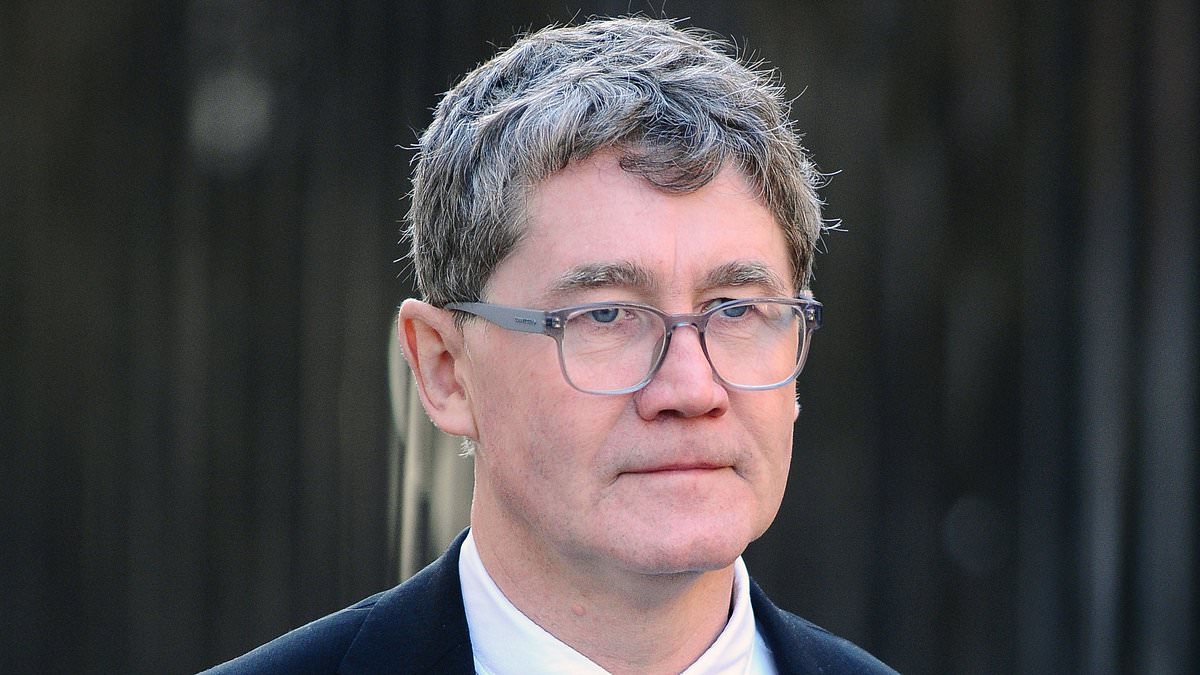
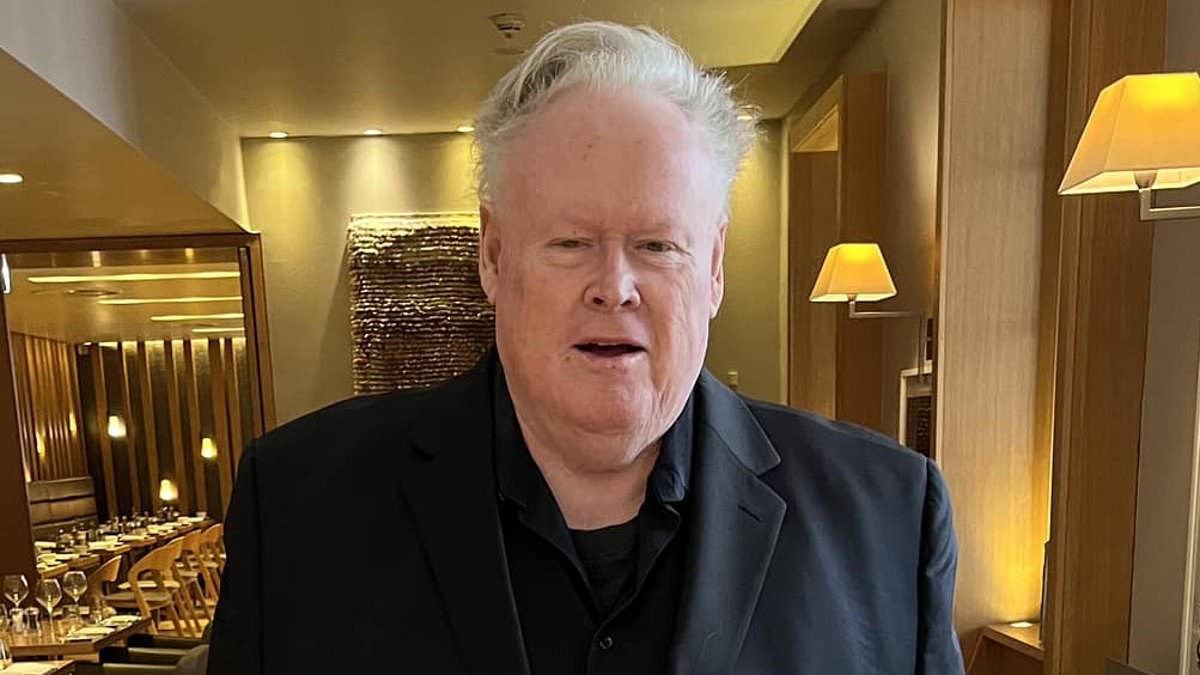
Private investigator giving evidence in the High Court trial brought by Prince Harry and others says he was 'too lazy' to remove some of the information he sent in emails to journalists
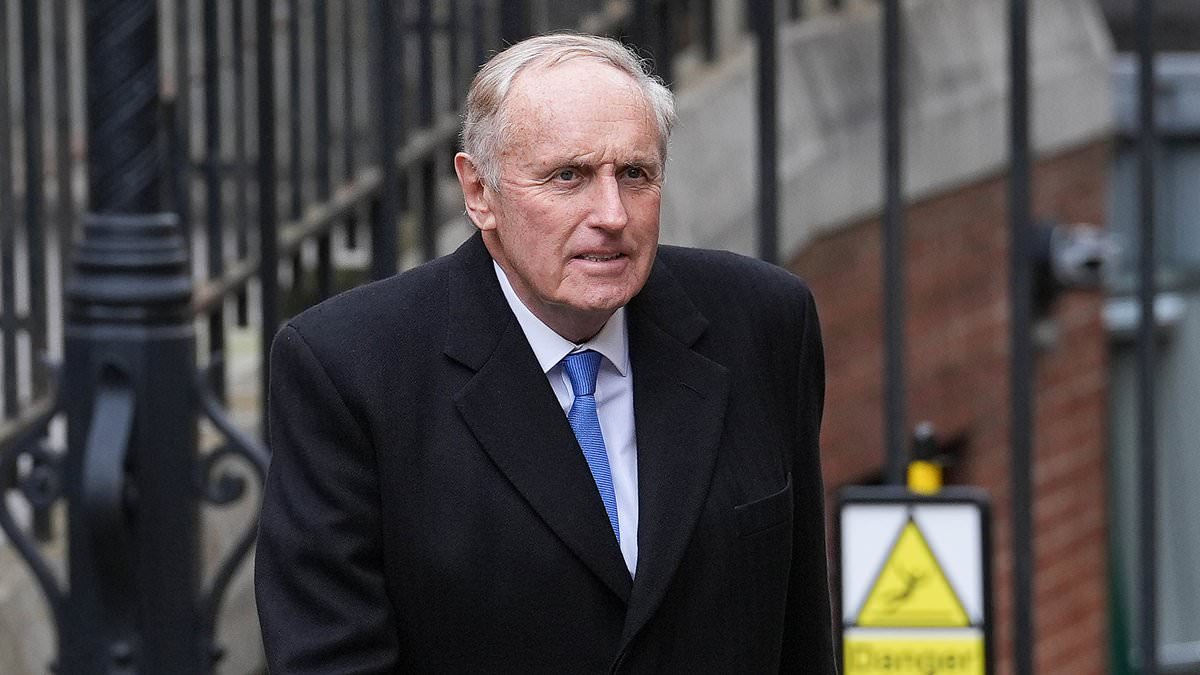
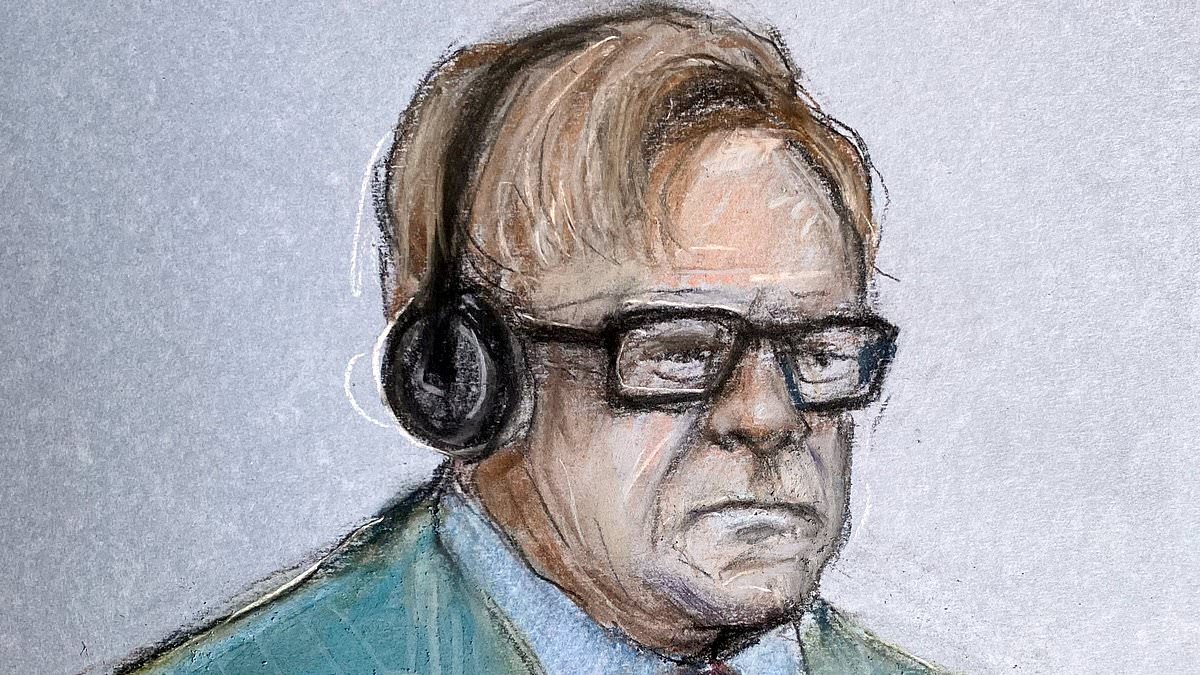
A private investigator carried out a number of searches for a newspaper group believing they were legal at the time, he told the High Court.Daniel Portley-Hanks gave repeated assurances that it was not illegal for the media to use his services, and stated it on his website, the court heard.The US-based private detective said he had later learned some of his activities were illegal in Britain, but said that had not been his understanding at the time.Mr Portley-Hanks flew in from the US to give evidence on behalf of Prince Harry and six other public figures in a privacy case against Associated Newspapers - publisher of the Daily Mail and The Mail On Sunday.Associated denies claims that its journalists commissioned investigators to access information unlawfully, including through phone hacking, tapping landline phones and 'blagging' private information.Mr Portley-Hanks, 79, said he had worked as a private detective for decades and that his clients had included several British newspapers.Changes to data protection legislation and the impact of the Leveson Inquiry into Press standards meant he was asked to give assurances that his activities were legal, he said.The court was shown an email he sent to an executive at The Mail On Sunday (TMOS) in 2011, in which he wrote: 'Be assured that for the entire time I did work for TMOS and the Daily Mail, all of the databases used were either public databases available to the general public, or accounts set up for news media purposes.' Daniel Portley-Hanks, a US-based private detective who supplied information to journalists from databases, flew in to give evidence at the High CourtUnder cross-examination by Catrin Evans KC, for Associated, Mr Portley-Hanks said some levels of information he accessed were legal for private investigators working on legal cases, but not for the media.But he said he had not always differentiated between the two sets of information and had included certain details in reports he sent to media clients because he had been 'too lazy' to take them off.He was shown a series of emails from journalists in which they requested phone numbers and addresses, but not other details he then sent to them, including social security numbers.He said he believed phone numbers, addresses and other information he provided about celebrities and public figures, including paedophile financier Jeffrey Epstein, were used to help journalists to contact them and get interviews.Mr Portley-Hanks said many of his searches were 'totally legal'.Under re-examination from David Sherborne, the lawyer for the Duke of Sussex and other claimants including Baroness Lawrence and Sir Elton John, the detective said he believed journalists and executives had known some of his searches were illegal.Mr Portley-Hanks said he had been left bankrupt after British newspapers stopped using his services.He was jailed in 2017 for his role in a gambling and extortion plot and said he was in prison when Graham Johnson, a convicted phone hacker and former tabloid journalist, attempted to visit him.After his release, he said Mr Johnson had visited him and told him he wanted to expose misconduct in the Press, offering a £6,000 advance to write a book, entitled Hollywood Detective, about his life.The book was published by Mr Johnson's firm Yellow Press Ltd but did not sell well and Mr Portley-Hanks said he was never paid, adding: 'I haven't gotten a dime from this book.'Mr Johnson, who will also give evidence in the case, is now part of a 'research team' working for the legal team for the Duke of Sussex and other claimants.The trial continues.