Will Gen Z Ignite India’s Luxury Market?
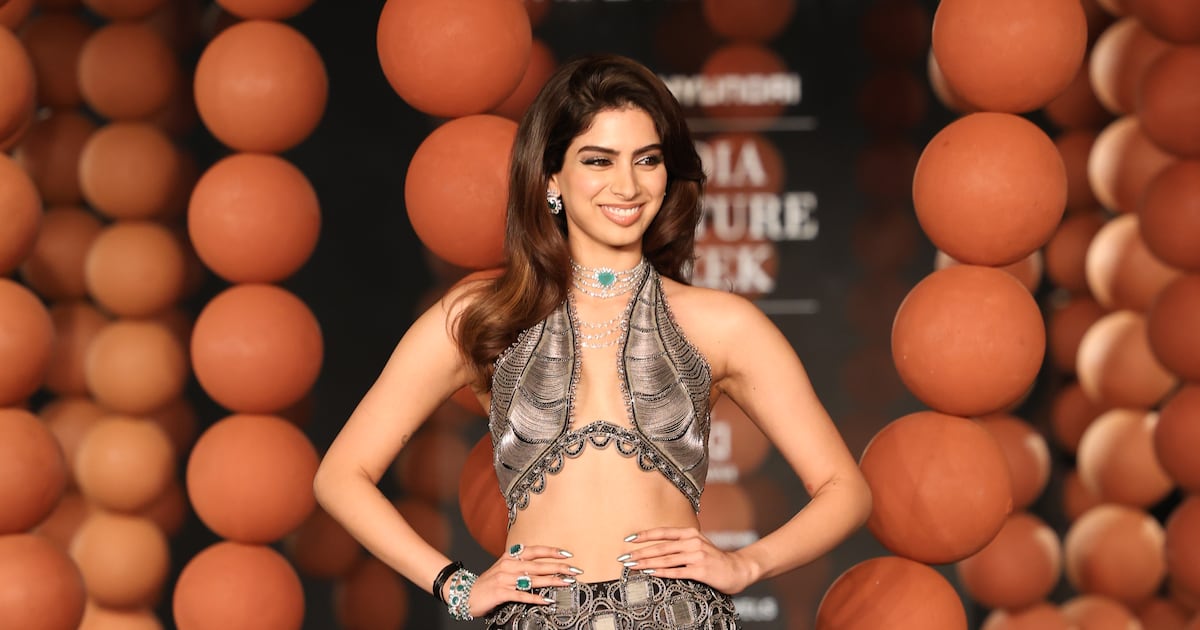
At the November opening of Galeries Lafayette in Mumbai, the French department store group signalled its intent to attract not just veteran luxury buyers but also younger shoppers to its Indian outpost. This was reflected in the offering of buzzy labels such as Ami Paris, Amiri, Jacquemus and Rkive City, alongside brands with an older-skewing clientele, such as Phoebe Philo and Victoria Beckham.Gen Z is an important “target audience for the store,” confirmed Rahul Prasad, managing partner at advisory Pike Preston Partners Asia, pointing to the variety of the retailer’s merchandise mix, including plans for shop-in-shops for categories like denim and vintage. Prasad and his colleagues were closely involved in brokering the department store’s partnership with Aditya Birla Retail & Fashion Limited (ABRFL), a move which enabled its entry into India.Despite the efforts of Galeries Lafayette and other retailers to appeal to Indian buyers in the 14- to 29-year-old group, marketers remain divided over the cohort’s immediate significance for luxury consumption. For starters, Gen Z are new to the workforce or financially dependent on their parents.Galeries Lafayette in Mumbai offers an edit of buzzy international labels and Indian brands. (Galeries Lafayette Mumbai) Older demographics still have the greater appetite for luxury and the purchasing power to move big-ticket items that are key to achieving growth targets. With Bain & Company forecasting luxury spending by Indian consumers to more than triple between 2022 and 2030, reaching €25 to €30 billion ($27 to $32 billion), international brands continue to prioritise strategies for Boomers, Gen X and Millennials.Even so, industry insiders stress that Gen Z needs to be carefully primed for future payoffs. The cohort is especially important since India is home to the largest youth population in the world, with 371 million people aged 15-29, according to UNICEF. This means India’s 377 million-strong Gen Z population is by far the largest of any country, including China.The demographic is already driving $930 billion in consumer spending in India with that figure expected to hit $2 trillion by 2035, according to a joint report by Boston Consulting Group and Snap Inc. An estimated 47 percent ($45-50 billion) of India’s total spending on fashion and lifestyle goods is by Gen Z, with the group buying as many fashion items as Millennials in a year. Extrapolating this behaviour to the luxury sector has its limits, but Gen Z — coupled with India’s rapidly growing middle class — is almost certain to be a key driver of any future luxury boom.Indian multi-brand store Ensemble’s marketing head Aria Parikh (L) actress and Chanel ambassador Ananya Panday (R) at Matthieu Blazy's debut show for the brand in Paris. (Aria Parikh; Chanel) Even so, “the bet on Indian Gen Z is a long-term one,” concedes 25-year-old Kartik Kumra, the designer behind craft-focused menswear brand Kartik Research. That generation is likely to yield results “in the next 5-10 years,” says Kumra, who runs flagship stores in New Delhi and New York. “Gen Z are not bringing in the top dollar yet, but they make for great brand fans and are super engaged in storytelling right now.”Yet some big retailers have already started to see the demographic contribute to their bottom line. Tata Cliq Luxury, a local e-tailer that stocks brands like Prada, Miu Miu, Bulgari and Balenciaga, reported that 20 percent of last year’s customers were Gen Z, although it didn’t reveal the basket size or proportion of sales. “They are largely shopping for casual clothing, fragrances, wallets and crossbody bags from premium and luxury brands,” says chief executive Gopal Asthana.Gen Z’s New Rules for LuxuryIndian model Bhavitha Mandava opens Chanel’s Métiers d’Art show in New York in 2025. (Chanel) Gen Z Indians are not without their contradictions. Like their international peers, many are passionate about sustainability but voracious consumers of fast fashion and remain constantly online while expounding the virtues of analogue life. Once the complexities of the local dimension are added to the equation, this consumer demographic can quickly become a marketing minefield.But to tap into this group effectively, experts say international brands must keenly study the ways in which Indian Gen Z are different from their global peers. That’s what helped London-based designer Clio Peppiatt, as she launched her brand in India with Galeries Lafayette late last year. At pre-launch events and private appointments, Peppiatt—whose namesake label is known for hand-beaded party dresses seen on the likes of Taylor Swift and Ananya Panday—found more than a few Gen Z customers interested in her “India mini dress” that “was specially designed for this India activation,” she says.Peppiatt’s party dresses typically cost upwards of $2,000, and she “did not have to justify the price [in India] as the young customer here already has an understanding of handmade and quality craftsmanship,” she says, unlike some of her interactions with Gen Z clients in Western markets. She also found young Indian shoppers far more exposed and aware of her brand than anticipated, with a real intent to shop from independent labels.This sentiment is what Indian multi-brand stores with intergenerational appeal already capitalise on. Aria Parikh, the 27-year-old marketing head at Ensemble, and her colleagues have noticed that Gen Z customers want premium and accessible luxury much earlier in their lives than their parents did. London-based brand Clio Peppiatt’s (L) plans for India includes focusing on a younger clientele; Indian royal Gauravi Kumari is an ambassador for Jimmy Choo. (Clio Peppiatt; Jimmy Choo) “Former generations [in India] grew up conditioned that they had to earn luxury whereas Gen Z sees it as something that belongs to them, that they deserve it,” says Parikh. “We notice this when mothers and daughters come to our stores. Gen Z, to put it simply, has a greater ability to part with money.”Cultural factors mean Gen Z Indians also have an outsized influence over family spending decisions compared to Western markets.“Even if they aren’t primary buyers for many items yet, their savviness and exposure coupled with their vocal nature and finger on the pulse” makes them influential in decision-making from expensive cars to designer handbags, says Sandeep Lodha, managing director of Condé Nast India, which operates local editions of Vogue, GQ and other titles.These distinctly Indian traits make it prudent for luxury brands to appeal to this generation early. In many other ways, however, Gen Z Indians are much like their digitally savvy global peers. They aren’t necessarily chasing logos or brand loyalists and are typically drawn to buzzy brands and products over heritage luxury. Connections Beyond HashtagsIn India, Galeries Lafayette's plans include appealing to affluent Gen Z, alongside seasoned luxury shoppers. (Galeries Lafayette Mumbai) To keep Gen Z opening their purse strings, global brands must stay vigilant, crafting forward-thinking marketing campaigns that demonstrate a true understanding of local nuances coupled with global trends. “The bottom line is, you have to assume that the [Gen Z] audience is pretty intelligent,” stresses Kumra, and think beyond tropes. Celebrity marketing is a case in point. Global luxury brands are cashing in on the country’s obsessive celebrity culture through Bollywood stars and other famous faces like Chanel’s and Jimmy Choo’s respective deals with Gen Z ambassadors Ananya Panday and Gauravi Kumari. But just seeding ambassadors’ social media accounts doesn’t go far enough, cautions Satish Meena, founder of consumer insights firm Datum Intelligence. Product placement in shows and movies can be a smarter choice, advises Meena. When Ananya Panday’s character wore items from Sacai, Prada and Balenciaga in the 2024 hit sitcom “Call Me Bae,” it created massive buzz for those brands among younger viewers.When it comes to social media engagement, Gen Z Indians are consciously seeking local and global content they can truly participate in, rather than simply being told what to buy by brands or influencers. They are drawn to a brand’s authenticity, community and values over tactics of scarcity and hype. “Gen Z is the generation of memes and movements,” United Talent Agency’s UTA Marketing executive, Shaina Zafar, previously told The Business of Fashion. Take the story of Indian model Bhavitha Mandava opening Matthieu Blazy’s first Chanel Métiers d’Art show on a New York subway platform because she was first scouted on a subway. That content won the French mega-brand ample applause from younger audiences in India, some of whom are potential future customers for the brand. All this chatter takes place on Instagram, with TikTok currently banned in India. Local brands, especially in beauty, have tapped into this evolving narrative style on social media more effectively than fashion. For instance, Inde Wild recently went viral after posting a reel of the beauty brand’s supporters at a Tyla concert in Mumbai, which drew global attention and multiple re-shares.Inde Wild’s founder Diipa Buller-Khosla — an established luxury influencer with a 2.8 million-strong following — smartly turned the moment into a conversation about Indian representation and breaking stereotypes. By leaning into this organic “Indian baddie” moment, the brand tapped into Gen Z speak and their appetite for authenticity and inclusivity, earning the brand cultural cache.Cultural relevance is important for Gen Z fashion leaders like Kumra too. The designer ensures his New Delhi store stages immersive events that aren’t necessarily sales-driven — it could be an event in partnership with Delhi Art Weekend, or panel discussions with multi-disciplinary creatives. “We’re saying ‘come hang out.’ It’s more world-building, than pushing a new jacket,” he says. Parikh emphasises the value of offline moments of connection to Gen Z, as they fill the void of belonging for a generation that is constantly online. Travel, leisure and dining make up the biggest share of Gen Z spending in India, according to the BCG-led report. So, it follows that infusing fashion with culture, art and food experiences will often land better and forge deeper connections. Yet luxury players rarely pursue such activations in the local market. Branded concepts that are attractive to Gen Z and found in other Asian markets and the Middle East — such as the Coach Coffee Shop, Ralph’s Coffee by Ralph Lauren, or restaurants by Louis Vuitton and Dior — are yet to be introduced in India. Think Global, Act GlocalLooks from the F/W 2025 show of Indian designer Kartik Kumra’s Kartik Research during Paris Men's Fashion Week. (Kartik Research) Customisation — be it monogramming or choosing colours — works well for Gen Z in markets like the US, according to a BoF Insights report on the cohort. In India, where made-to-measure services are ubiquitous, it is already table stakes and a strength of local designers, whether it’s a dress worth $100 or a wedding lehenga for $10,000. Global luxury brands should therefore consider raising their offer. This point is even more salient given Meena’s view that Gen Z rates “Indian luxury brands at par with foreign labels [and is] willing to pay just as much for them,” and Parikh’s observation that Gen Z in India have “an appreciation for small-batch, high quality products from homegrown labels.” Prasad underscores the importance of newer brands having well-stocked flagship stores and e-commerce partners in India. “[Indian] millennials often waited for trips abroad or visits from diaspora family members for international luxury purchases. In contrast, Gen Z, wants it, and they want it now,” he explains. Indeed, the lion’s share of Gen Z luxury spending continues to be on small-ticket, entry-level products such as accessories, small leather goods, sunglasses and beauty. Prasad says the palatable price range for handbags is between 60,000 rupees ($669) and 1.2 lakhs rupees ($1,339). The cohort’s daily wear still comes mainly from high-street brands, but for occasion-based ready-to-wear, Asthana has identified a sweet spot of up to 15,000 rupees ($167).This behaviour makes Gen Z a more natural contender for bridge-to-luxury over pure luxury shopping, or for second-hand purchases. Punit Anand, founder of decade-old local reseller platform Luxury Pop, confirms that 30 percent of her customer base is Gen Z and, unlike Indian millennials, they are “not affected by cultural taboos around buying or speaking openly about second-hand shopping.”“Jacquemus, vintage Gucci and Chanel, and Louis Vuitton pochettes are popular with them. They are seeking older logos, and deals on footwear,” such as classic Louboutin heels and YSL tribute sandals in the 15,000 to 20,000 rupees ($167 to $223) bracket, says Anand. The exception is weddings, a $130-billion market in India, particularly as many in this age group begin to head to the altar.But ultimately, some say, the Gen Z trait with the most far-reaching implications for the Indian luxury market is their more impulsive and impatient nature. “Their desire supersedes their ability,” says Prasad, pointing to their purchase of “everything from lipsticks worth 5,000 rupees ($56) to handbags costing 5,00,000 rupees ($5,579), on credit and EMIs (easy monthly instalments)….It’s a huge shift in India; this has never happened before.”