Tesla halts new human-driven car models, focuses on autonomous future
https://speedme.ru/en/posts/id28131-tesla-halts-new-human-driven-car-models-focuses-on-autonomous-future
Tesla halts new human-driven car models, focuses on autonomous future
Tesla shifts to autonomous cars, only Roadster remains human-driven
Tesla halts new human-driven car models, focuses on autonomous future
Tesla stops developing new human-driven cars, except for the Roadster in 2026. The company bets on autonomous models like Cybercab and Robovan for future growth.
2026-02-02T18:07:26+03:00
2026-02-02T18:07:26+03:00
2026-02-02T18:07:26+03:00
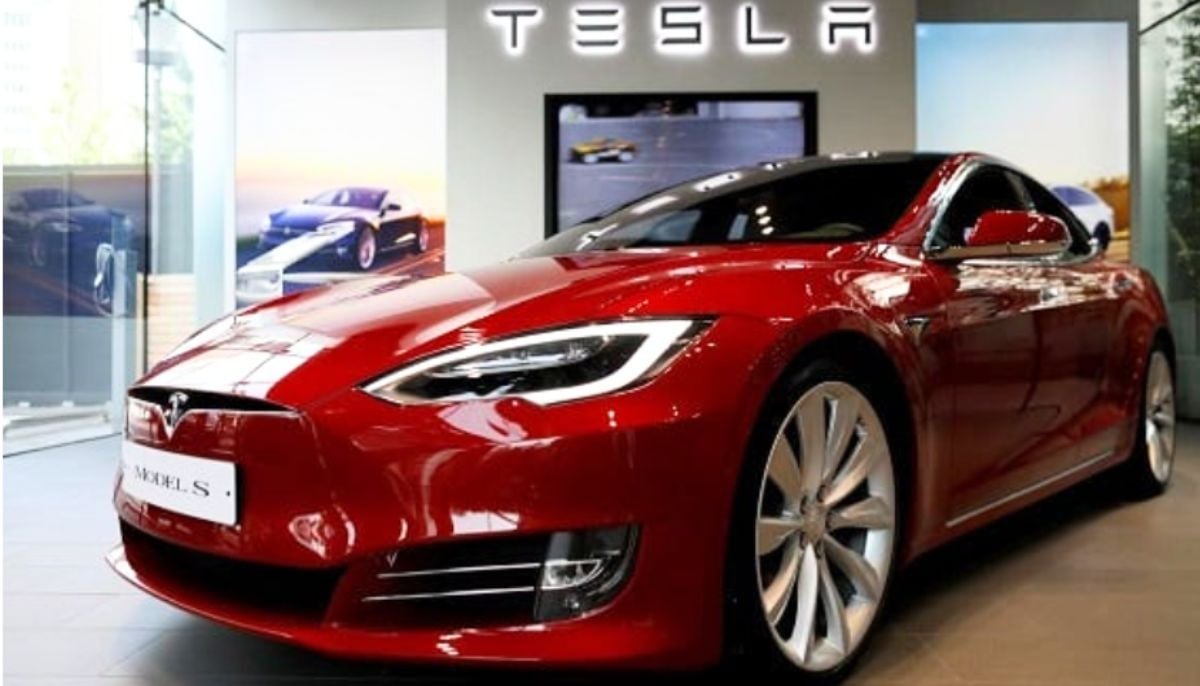
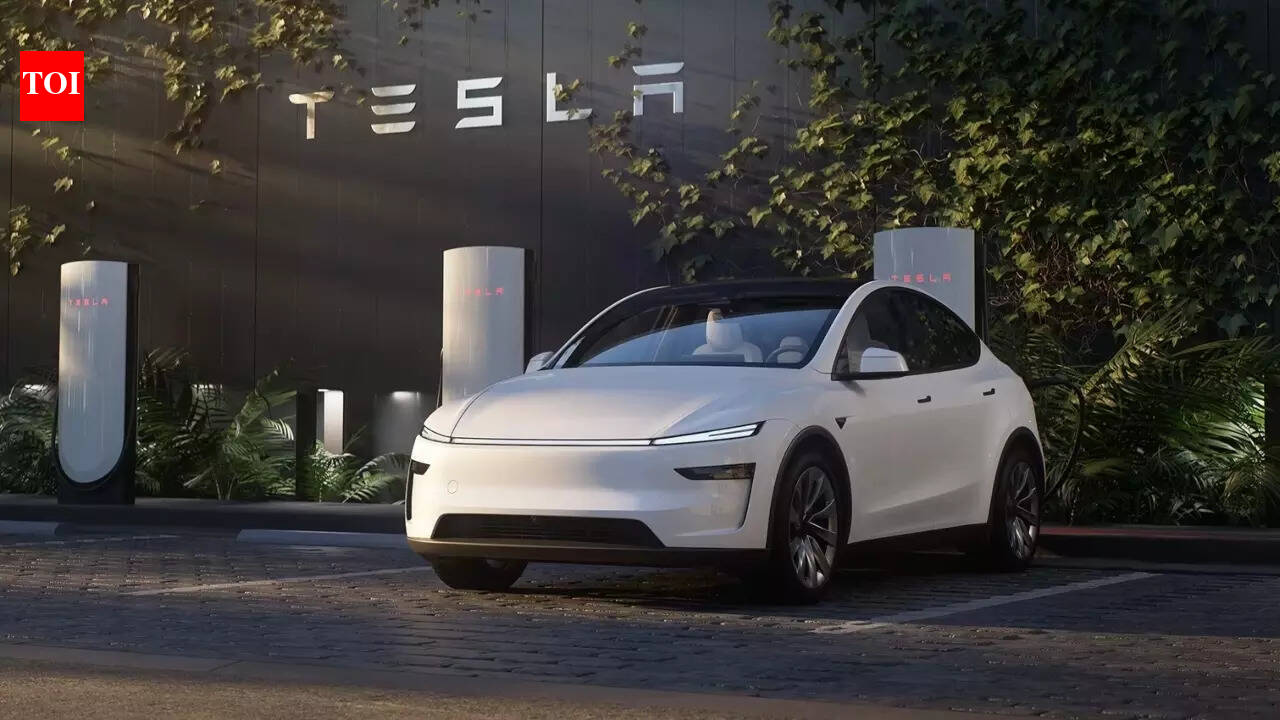
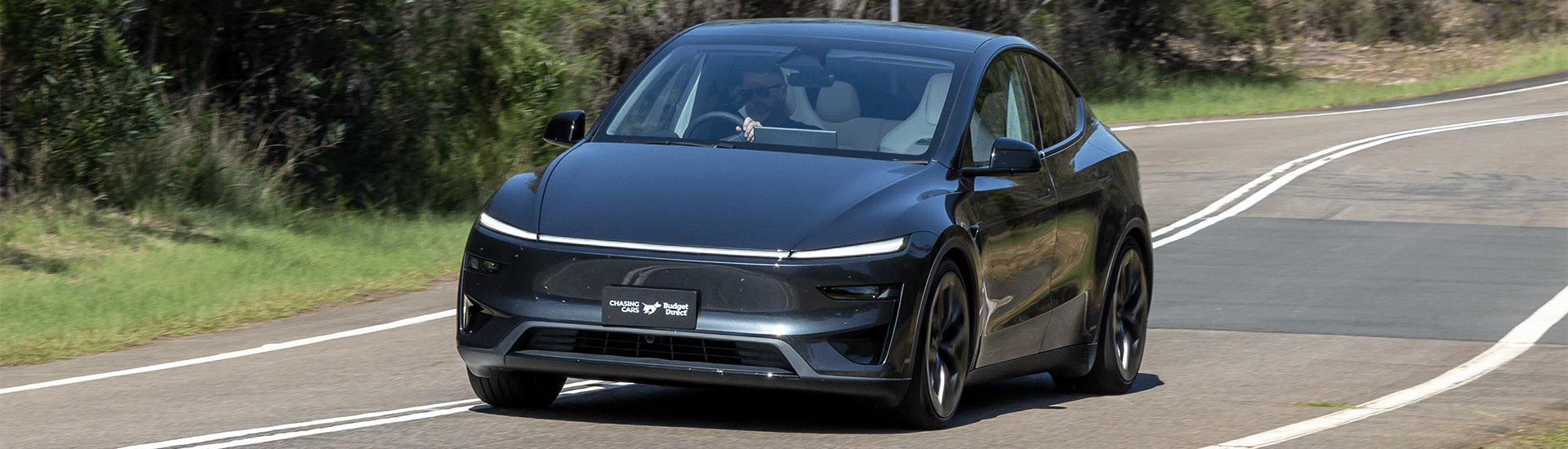
Tesla is shifting its strategy, effectively halting development of new human-driven car models. The only exception will be the Roadster, which is scheduled to debut in production form in spring 2026. All other future projects will move into the autonomous platform category.Betting on Fully Autonomous TransportElon Musk stated that in the future, only about one percent of all Tesla mileage will be driven by humans. The rest will fall under the responsibility of the autonomous FSD version operating without driver supervision. This explains why the company is discontinuing traditional car development, seeing further growth in robotaxis and transportation-as-a-service offerings.The Sole New "Driven" TeslaThe long-awaited Roadster, first shown as a concept back in 2017, will be the last new Tesla model equipped with a steering wheel and pedals. Musk promises to unveil the production version in April 2026. The rest of the lineup will transition to the autonomous segment, with Model S and Model X phased out of production by mid-2026, while Model 3 and Model Y will receive updates focused on driverless technology.Autonomous Models Tesla is PreparingProduction of the Cybercab, a two-seat driverless robotaxi without controls, will begin in April 2026. This will be followed by larger autonomous platforms, including a 20-seat Robovan. Tesla emphasizes that the autonomous transport market will provide an audience five to ten times larger than its current one. Only a simplified global lineup of Model 3/Y Standard will remain as accessible models, but even these will increasingly prioritize autonomous operation with each update.Overall, Tesla's strategic pivot reflects a global shift from consumer automotive manufacturing to a service-based model of autonomous transportation. The Roadster will symbolically conclude the era when Tesla still built cars for drivers, while subsequent projects will fully transition the brand into an autonomous future.
Tesla, autonomous cars, Roadster 2026, FSD, robotaxi, Cybercab, Robovan, Model 3, Model Y, autonomous future, Tesla strategy, driverless technology, automotive innovation
2026
news
© A. Krivonosov
Tesla stops developing new human-driven cars, except for the Roadster in 2026. The company bets on autonomous models like Cybercab and Robovan for future growth.
Michael Powers, Editor
18:07 02-02-2026
Tesla is shifting its strategy, effectively halting development of new human-driven car models. The only exception will be the Roadster, which is scheduled to debut in production form in spring 2026. All other future projects will move into the autonomous platform category.Betting on Fully Autonomous TransportElon Musk stated that in the future, only about one percent of all Tesla mileage will be driven by humans. The rest will fall under the responsibility of the autonomous FSD version operating without driver supervision. This explains why the company is discontinuing traditional car development, seeing further growth in robotaxis and transportation-as-a-service offerings.The Sole New "Driven" TeslaThe long-awaited Roadster, first shown as a concept back in 2017, will be the last new Tesla model equipped with a steering wheel and pedals. Musk promises to unveil the production version in April 2026. The rest of the lineup will transition to the autonomous segment, with Model S and Model X phased out of production by mid-2026, while Model 3 and Model Y will receive updates focused on driverless technology.Autonomous Models Tesla is PreparingProduction of the Cybercab, a two-seat driverless robotaxi without controls, will begin in April 2026. This will be followed by larger autonomous platforms, including a 20-seat Robovan. Tesla emphasizes that the autonomous transport market will provide an audience five to ten times larger than its current one. Only a simplified global lineup of Model 3/Y Standard will remain as accessible models, but even these will increasingly prioritize autonomous operation with each update.Overall, Tesla's strategic pivot reflects a global shift from consumer automotive manufacturing to a service-based model of autonomous transportation. The Roadster will symbolically conclude the era when Tesla still built cars for drivers, while subsequent projects will fully transition the brand into an autonomous future.