'No festival today' - how a Liverpool event promising 'Hope & Glory' turned into disaster
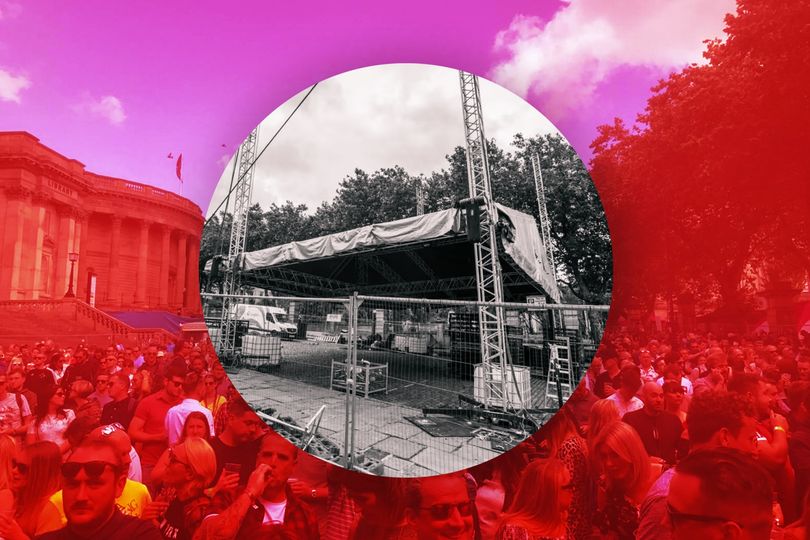
In the summer of 2017, music fan Steve Egglesden was looking forward to a festival in his home city, a new event which promised to bring major bands and artists to the heart of Liverpool's famous cultural centre.The inaugural Hope & Glory Festival, scheduled for the weekend of August 5 and 6, boasted an impressive line-up, including Madchester legends James, indie rockers Razorlight and Welsh pop star Charlotte Church. Ocean Colour Scene, Lightning Seeds and Embrace suggested this was going to be a memorable weekend in the city's St George's Quarter."I have been to lots of festivals and gigs, and this one looked decent," explains Steve, who was living in Aigburth at the time of the festival. "I always like to support events in the city, so I planned to go along."Press reports in the lead-up to the event explained how Hope & Glory, described as a 'boutique' festival, would bring a weekend of music and art to a specially created area in William Brown Street and St John's Gardens, in the middle of the city's most iconic buildings. Weekend tickets were priced up at £89.For Steve - a veteran of music events - the signs that things would not go to plan with the festival were there from the very start."Straight away I realised things weren't right," recalls the now 50-year-old, who attended the festival with his then partner."On the door there were people handing out wristbands, but they were giving weekend wristbands to people who only had day tickets. You could see that was going to cause a problem going into the next day. So immediately we could see problems and that there was something off."It didn't take long for things to turn chaotic, adds Steve. "We could see bottleneck queues forming pretty early on. There were big problems with the toilets."We were looking at it and saying, 'This has been set up so badly; there was no way they could empty those toilets while the event was happening.'"It would later emerge the festival site was not actually ready at the time the festival officially opened on Saturday, August 5.An independent report would find important elements, including exit signs, were not in place, and the planned pedestrian bridge between William Brown Street and St John’s Gardens wasn’t constructed. At the same time, as Steve and his partner found, staff were not properly briefed or prepared for an event expecting to welcome more than 12,000 people.That same report concluded one of the reasons the site wasn't ready in time for the festival's kick-off was because the organisers - Lee O'Hanlon and his company Tiny Cow - had organised a secret gig with Liverpool band Cast in St George's Hall the night before.Hope & Glory site crew were drafted in at short notice to move a stage-pit barrier and pedestrian barrier into the hall.Confusion over the requirements of the main stage PA also meant site crew were brought on board to assist with unloading and installing it effectively, which meant they lost a day from their site build plan.All this meant that by the time Steve and his partner made their way inside the festival, things felt off - and they only got worse from there as huge queues and crowd crushes formed."One of the things we started to see as we were going round was the perimeter fencing," says Steve today. "It was not done adequately, which allowed a lot of people to jump over, especially in the gardens area. As the day went on, more and more things just weren't making sense."He adds: "The timings started to go downhill very, very quickly. Acts were being pulled from the set list, it was turning into an absolute joke."Those artists included Charlotte Church, who took to Twitter (as it was then) on the Saturday to confirm the organisers had pulled her planned festival set due to them running two hours behind. She later found a new venue elsewhere in the city to perform.Headliners James did make it to the stage, but lead singer Tim Booth took to social media afterwards to apologise that people were 'messed around so badly."Steve Egglesden says the scariest moment of a chaotic day was when he and his partner were part of the crowd waiting for the James set."We were at William Brown Street, and we were up against a high wall," he recalls. "I turned to the people near us and said, 'If anything happens at all now, we are dead; there is absolutely no way out. I couldn't see any emergency fence breaks anywhere. There was no way out."I'm 6 foot 2, so I could see over most people, but my partner at the time was much smaller, and it was a very scary moment for her. I was able to tell her to get ready to move at some points. For someone who can't see through it, you can imagine how scary it was.People were panicking by this stage; Steve said someone nearby called 999. Another person fired off a tweet to Radio City, asking those working in the tower for help. "We are basically trapped, so dangerous" said the message.Steve says he and his partner stayed "until we could get out basically", adding: "That was when it closed for the day, that was the only time we could get out. Before that we couldn't do anything, couldn't get a drink, couldn't go to the toilet, we couldn't move."The independent report that would later follow the chaos of that Saturday found there were no effective checks to monitor capacity inside the event.As Steve recalls, people were given the wrong wristbands upon entry; others said checks and searches at the entrance were "cursory" at best.The report said the festival should have probably been cancelled earlier on the Saturday and was only able to continue into the evening as Liverpool City Council staff volunteered to help with security, medical, site and traffic management.As many will of course be aware, the festival was in fact cancelled on the Sunday morning, with the organisers taking to social media to deliver the succinct and now infamous message: "no festival today."It's a piece of very poor messaging that has been roundly and continually mocked ever since, but for those who had paid for and travelled to the festival that weekend, there was fury.Speaking at the time, 21-year-old festival-goer Josh told the BBC: "I saw on Facebook a three-word message saying something like 'festival not happening'. It was just completely shocking that there's no apology, no explanation or anything It's basically a disaster."The organisers' interesting approach to public relations also included them countering criticism from James's Tim Booth by telling him to "go back to his yoga."When Steve saw the 'no festival today' message appear, he was far from surprised."We expected it really after what had happened," he says. "We knew why it was being cancelled, and we had seen the tantrums online from the organisers.."He was one of a number of people who decided to pursue what went wrong with Hope & Glory and joined a Facebook community of people keen to investigate the issues the disastrous event raised.Some of those answers came several months later via the independent report which was commissioned by then Mayor of Liverpool Joe Anderson.The report found that Tiny Cow and Mr O'Hanlon were culpable for the shambolic event, identifying the lack of an emergency evacuation plan, acts running behind schedule and festival-goers feeling unsafe. It said that Mr O'Hanlon "left the site, was uncontactable and wasn’t seen again until the end of the day."Despite it becoming increasingly clear that the festival site was not ready, respondents reported Lee O’Hanlon “appeared more focused on facilities for the artists, to the exclusion of issues on the main site", the report said.But the city council wasn't without blame, with the report finding that more extensive background screening checks into Tiny Cow would have stopped their application to organise the festival from being progressed.It also found that there were substantial failings in the submitted site layout, event management plan and operational arrangements proposed by Tiny Cow and that the city council's regulatory processes "failed to identify these shortfalls".The report concluded the festival was a “public failure the city of Liverpool could do without.”Speaking today, Steve said he is still affected by what he experienced at Hope & Glory and remains frustrated at the lack of accountability for the chaos that unfolded."The inquiry shows what a shocking decision it was to allow this event to ever go ahead," he states, adding: "No one was really held accountable for what happened. It should never have been allowed to take place.""That experience has certainly left me a bit more cautious with some events, especially ones without any heritage; you do look at things differently."The ECHO has been unable to reach Mr O'Hanlon to comment on this article.