How is US President Trump impacting global climate action?
In 2024, for the first time, the global average temperature exceeded 1.5°C above pre-industrial levels, making rapid coordinated global climate action even more urgent.
Instead of supporting a fast and just phase out of fossil fuels, US President Donald Trump is recklessly assaulting global efforts to combat climate change in five key ways, by:
Withdrawing the US from global climate bodies
Promoting a disinformation campaign against established climate science
Using bullying and coercive measures to push pro-fossil fuel policies
Weakening domestic climate protections and defunding climate science
Restricting civic space which harms climate activism
Which global climate bodies have the US quit and what is the impact?
The USA’s withdrawal from the landmark Paris Agreement came into effect on 27 January 2026. This is the second time the US has withdrawn from the agreement and comes on the heels of its declared intent to withdraw from the United Nations Framework Convention on Climate Change (UNFCCC), the Intergovernmental Panel on Climate Change (IPCC) and the Green Climate Fund (GCF). Trump has also called for the US’ departure from over 60 other international organizations, including several others related to climate change, biodiversity and renewable energy, calling them ‘wasteful, ineffective, or harmful’.
These announcements will likely accelerate the US’ defunding of key multilateral and bilateral climate institutions and programming. US funding to these UN agencies and their critical work is expected to end imminently. The UN was already facing a financial crisis, exacerbated over the past year by the US’ refusal to pay its contribution to the regular budget. Trump also refused to spend money appropriated by Congress for foreign assistance, including to UN agencies, dismantled the US Agency for International Development (USAID) and other US agencies that provide direct support to communities harmed by climate change, and attacked programmes that address climate change.
What is the Paris Agreement and why is it important?
On 12 December 2015, states adopted the world’s most ambitious framework for fighting climate change during the UN Climate Change Conference in Paris (COP21). Under the Paris Agreement, governments agreed for the first time to try to limit global warming to 1.5° C above pre-industrial levels to avert the most catastrophic effects of climate change. The agreement requires all states to set regularly updated targets for reducing greenhouse gas emissions, for both the long and short term, and share their plans for reaching them.
What will be the impact on the Loss and Damage fund?
The US has also withdrawn from the board of the UN Fund for Responding to Loss and Damage (FRLD). Set up after difficult negotiations at COP27 in 2022, the Fund is dedicated to helping low-income climate vulnerable nations and communities recover from climate change-related “unnatural” disasters. As of 19 November 2025, a total of US$817.01 million has been pledged to the FRLD, including US$17.5 million from the US. However, it is unclear if it will now honour that meagre pledge.
The FRLD’s board meeting in July 2026 is expected to focus on finalizing the operationalization of the fund. It is up to all countries that can, especially those most responsible for climate change, to step up and ensure the fund is adequately resourced. The less that countries contribute, especially historically high-emitting countries including the United States, the more it will cost in the long run for countries on the frontlines of climate harms to address climate change-related losses and damages.
What is Trump’s stand on climate change and how is it encouraging disinformation on climate science?
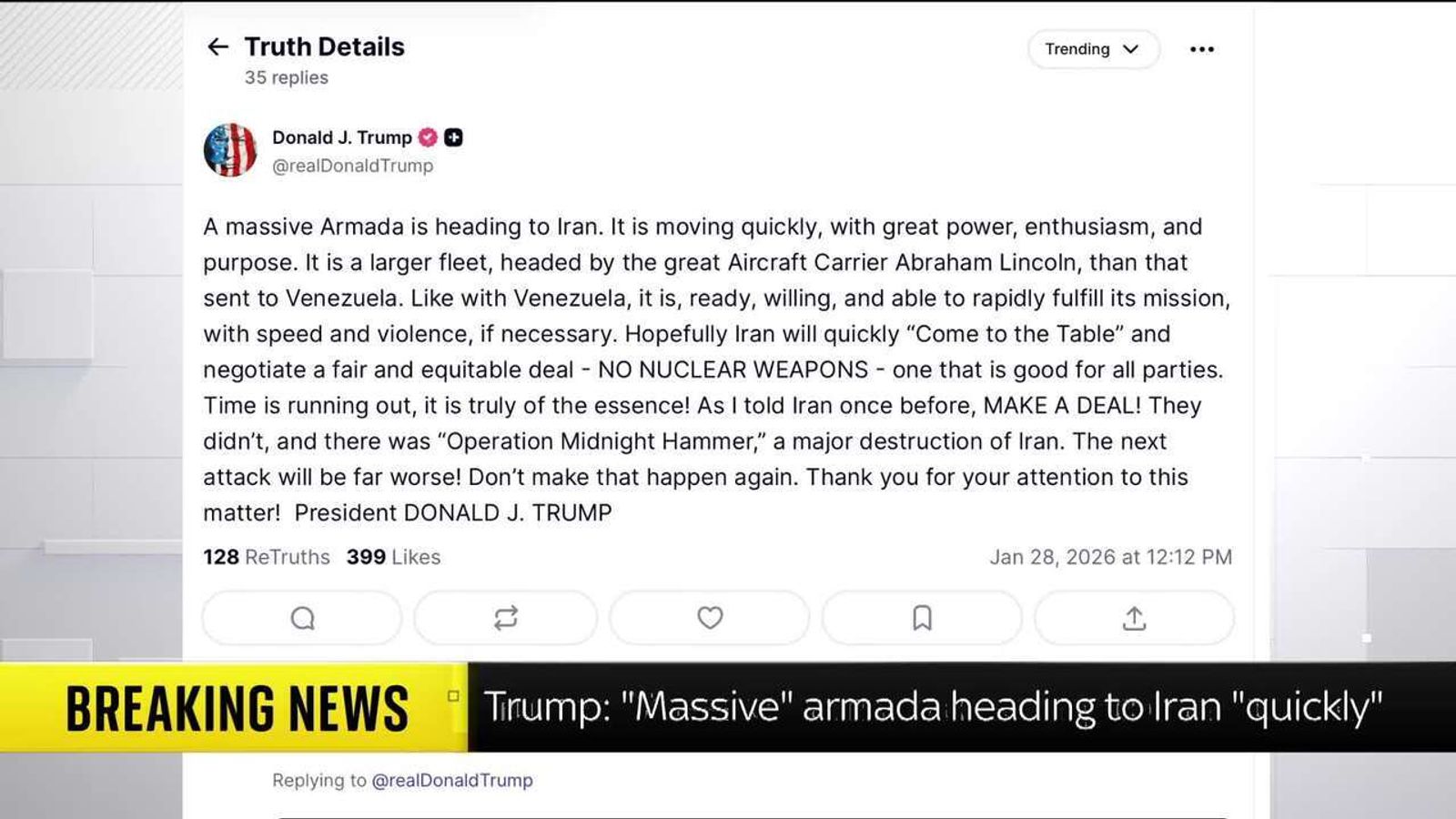
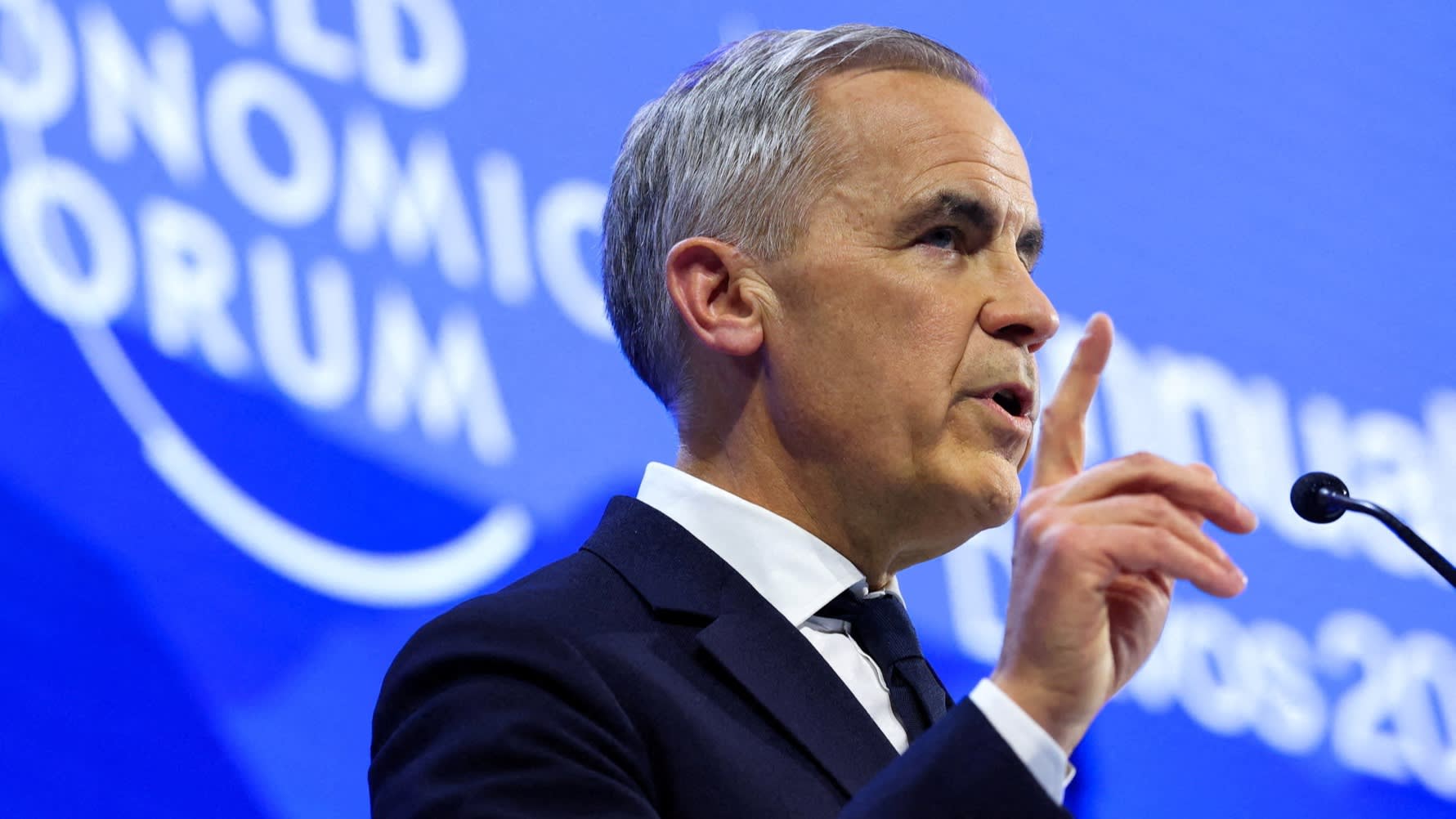
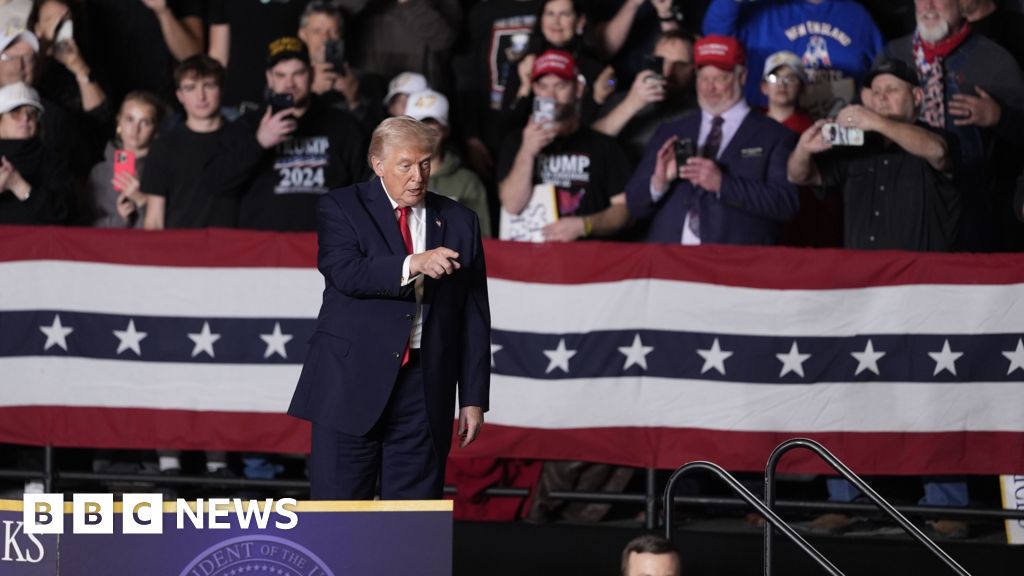
Trump called climate change a “scam” when he took to the floor of the UN General Assembly in 2025. He also called sustainable energy policies the “greatest hoax in history” at the World Economic Forum in Davos in 2026.
A new report from the US Department of Energy says projections of future global warming are exaggerated. This is part of an effort by the Trump administration’s disinformation campaign to produce a false counter-narrative to global climate science and consensus, and to use this junk science as a justification for overturning climate regulation The US also cancelled a landmark climate change report, the sixth National Climate Assessment, and has taken down numerous webpages on climate science from official websites. The defenestration of these and other climate science programmes and institutions means less reliable information is available to the public and makes it harder for scientists around the world to fact check misleading information on climate change.
How has the US used bullying tactics to undermine global cooperation on climate and the environment?
Over 430 million tonnes of plastic is produced every year, most of it made from fossil fuels and quickly becoming waste that clogs up landfills or ends up in the oceans. Yet negotiations for a landmark Global Plastics Treaty failed to reach consensus last year as the US, along with other fossil fuel producing states, made it clear that it opposed cuts to plastic production.
The Trump administration has also successfully shelved a near-finalized global shipping carbon levy by threatening diplomats engaged in the negotiations and using threats to raise import tariffs to pressure nations.
Elsewhere, US lobbying pressure has greatly undermined the European Union’s corporate sustainability due diligence directive (CSDDD) which requires companies to fix human rights and environmental issues within their supply chains. The US has also actively sought alliances with political parties in Europe who are against climate action.
The purchase of US-produced so-called “natural” gas has been used as a bargaining chip in tariff negotiations; and US banks have retreated from climate action alliances.
What has been the impact of Trump’s anti-climate policies domestically?
The Trump administration has dismantled domestic climate action efforts and engaged in an unprecedented rollback of the regulations protecting people in the US from fossil fuel pollution and climate change.
He has gutted governmental agencies that provide emergency assistance to those harmed by extreme weather events made more likely and more intense by climate change; defunded diversity and climate programmes in US governmental agencies and universities resulting in mass layoffs, grant freezes, and attacks; increased taxpayer-funded subsidies to the fossil fuel industry; and threatened – in some cases successfully – US states with plans to reduce carbon emissions to end those policies. Trump’s “drill, baby, drill” approach has ramped up oil and gas production and fast-tracked deep-sea mining.
Since Trump returned to office, the US government has reduced the availability and collection of air pollution, weather and a host of other environmental and climate data that are used in the US and around the world. The administration has also directly threatened academic freedom and the right to access information, including on climate change, as part of a pattern consistent with rising authoritarian practices. The US has also increased its military activities, particularly in Latin America and the Middle East, which have a heavy carbon footprint, not to mention the outrageous harm caused to human rights. In the instance of Venezuela, President Trump has cited the fossil fuel industry as part of his decision-making for unlawful action to remove Nicolas Maduro.
How has Trump’s clampdown on civic space harmed climate activism?
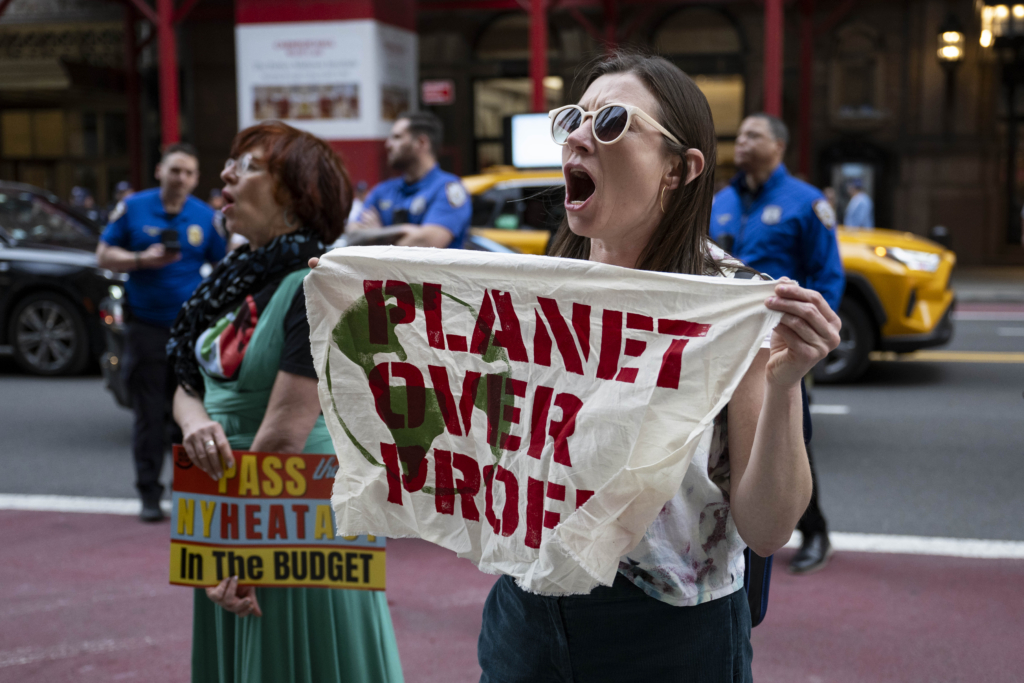
The US government has cracked down on protest and dissent including by limiting climate activists’ ability to exercise their rights to freedom of expression, association and peaceful assembly through intimidation, demonization and threatened changes in laws.
The Energy Department has reportedly added “climate change,” “green” and “decarbonization” to its growing “list of words to avoid” . Climate activists have been described as “ecoterrorists” among other public attacks by the authorities. This has emboldened fossil fuel companies and other anti-climate action actors, and led to a growing threat of litigation against climate activists.
The Trump administration has also demonized marginalized populations, using racial rhetoric in ways that erode public support for essential public services — including those critical for helping Americans prepare for and withstand the impacts of climate change.
What should be done?
Climate change transcends borders and affects everyone, everywhere. It is often those least responsible that are hardest hit. Global cooperation is essential to equitably phase out fossil fuels, support a just transition for affected workers, protect vulnerable communities, and fund recovery from loss and damage. A fragmented approach will deepen climate harms like rising sea-levels, food scarcity, wildfires, extreme storms and floods, and lack of access to safe drinking water.
People and governments around the world must push back against all coercive efforts by the Trump administration. To cede ground now risks our collective future. Humanity must win.
Knowledge is power
Learn how you can take action against fossil fuels
People around the world are demanding the end of fossil fuels. Frontline communities are resisting and you can join them.