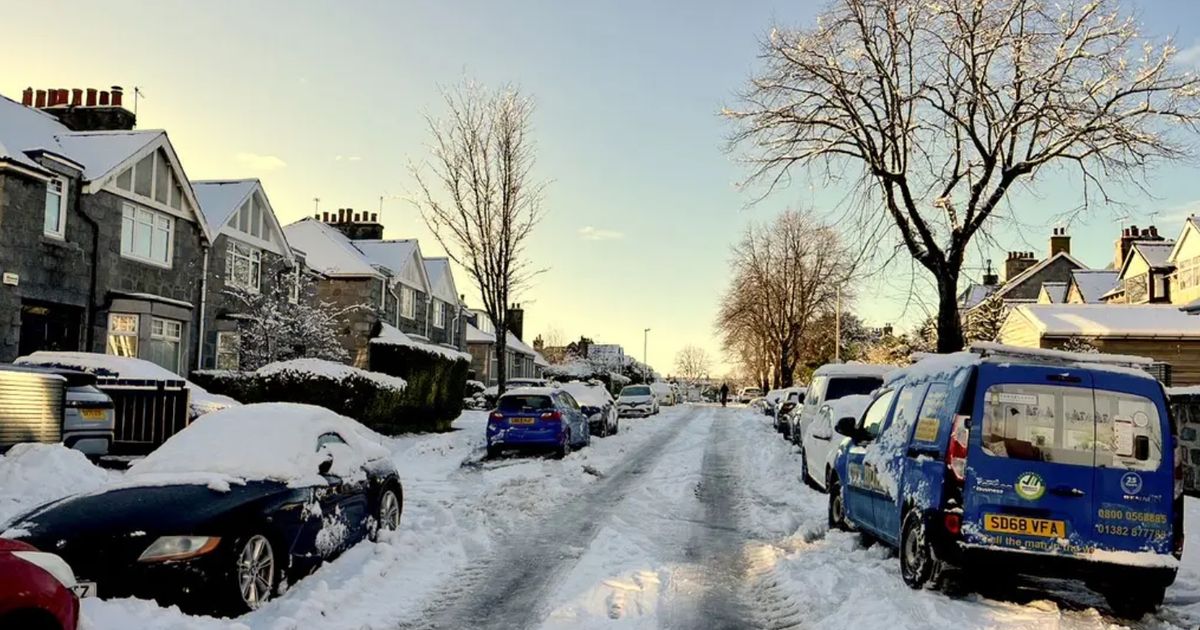
11 counties in England will escape next UK snow bomb as West Midlands verdict confirmed
The UK is set to be hammered by a fresh snow bomb on February 9, according to fresh weather maps. Birmingham and the West Midlands are among the counties affected by the downturn in conditions.Deterioration in the weather is likely from February 9, with a band of Arctic air bringing snow, according to WX Charts. The maps, based on the ECMWF modelling system, show a huge plume of white burying swathes of England.But while the Midlands and entire north is at risk, pockets of the maps are shown in grey - signifying no accumulations or build up of wintry showers.READ MORE 13 car tax bands for drivers from April with some charged £790 - full listPlaces facing 0cm snow depths on February 9, in the next UK snow bomb, include Devon, Dorset, Cornwall, Wiltshire, the Isle of Wight, Bedfordshire, Berkshire, Hertfordshire, Essex, Norfolk and Suffolk.It means 11 counties in total stay dry. Nick Finnis, from Netweather TV, has warned the conditions which triggered the Beast from the East back in 2018 could repeat themselves.In a blog post for Netweather TV, Mr Finnis said: "The weather models have for a while been signalling the potential for a major Sudden Stratospheric Warming (SSW) event to occur in early February 2026."This disruption to the stratospheric polar vortex could be exceptionally strong. If the SSW does occur, it will feature a rapid warming in the Arctic stratosphere, which will then likely cause a breakdown of the polar vortex, significantly increasing the risk of cold snaps, blocking patterns, and high-impact weather across the Northern Hemisphere (North America and Europe) 2–6 weeks later."he went on to add: "Current model data from major weather models like the ECMWF and GFS indicate a "textbook major disruption," with stratospheric temperatures over the Arctic projected to spike by 40–50°C within days."He said: "However, a SSW does not guarantee much colder and wintry weather will occur, such as the "Beast from the East", e.g. late February 2018; rather, it "reloads the dice" by making extreme winter patterns more likely."Statistically, around 2 out of 3 major SSWs that lead to a split polar vortex go on to bring severe cold spells to the UK and Ireland."