Royal expert: Andrew is still the Duke of York
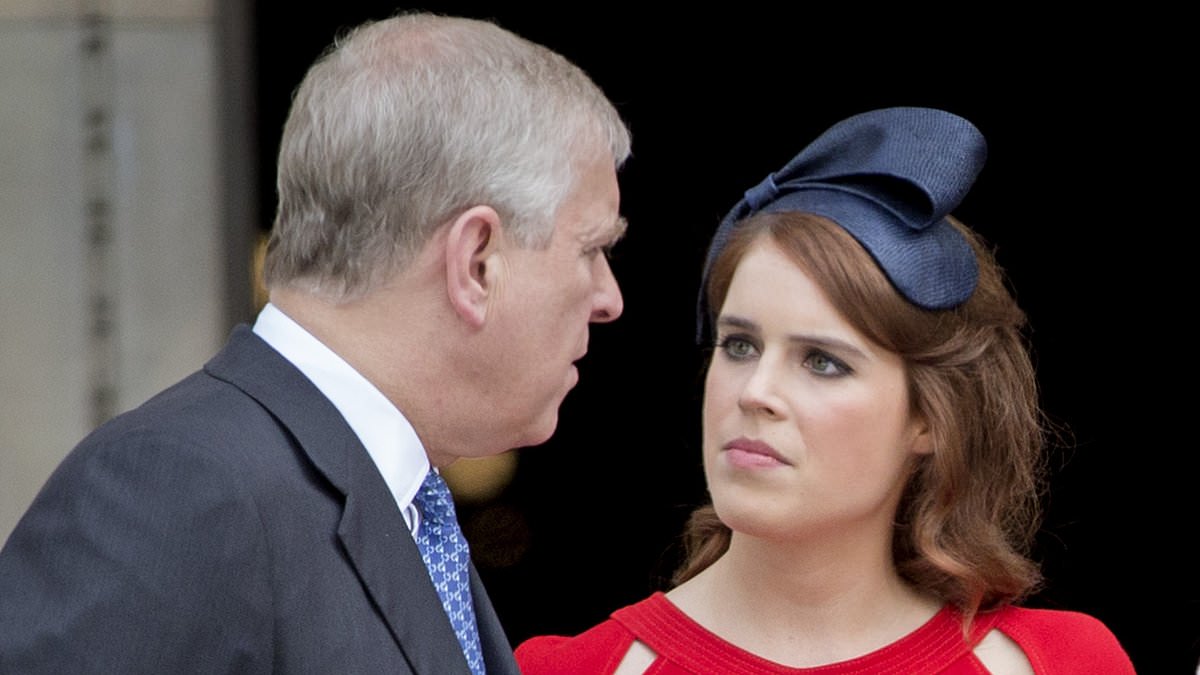
Last autumn, with a fanfare of trumpets and a roll of drums, King Charles ceremoniously kicked his brother out of the Royal Family. GONE was his royal princedom. GONE was his Knight of the Garter. GONE was his place in the royal pecking order. And GONE was his beloved home of the past 22 years, Royal Lodge. But, the Daily Mail can reveal this morning, the man formerly known as Prince Andrew is STILL the Duke of York. If he wants to, he can still call himself by that name. He can have his personal stationery embossed with his ancient title. He can still have his coat of arms. And nobody can stop him – not even the King.Duke of York Title Loses Standing at Home but Retains Global Value The Duke of York title, while associated with the name Andrew Mountbatten-Windsor, may effectively be tinpot in the UK - but it could still hold significant value overseas, and even dictate which part of the world the ousted royal spends his twilight years in. After the worldwide uproar over Andrew's involvement with paedophile Jeffrey Epstein and a lengthy, angry public debate over the suitability of his remaining a royal, plus a piffling squabble over Royal Lodge – a house he was perfectly entitled to inhabit – King Charles finally moved against his brother in November 2025. When he did, people were astonished at the savagery of his actions. The official announcement sounded the death-knell: 'The King has been pleased by Letters Patent under the Great Seal of the Realm dated 3 November 2025, to declare that Andrew Mountbatten Windsor shall no longer be entitled to enjoy the style, title or attribute of "Royal Highness" and the titular dignity of "Prince".' Other titles also fell away, less quickly, the last to go being his rank as Vice Admiral in the Royal Navy. But his title as Duke of York? And the subsidiary titles of Earl of Inverness and Baron Killyleagh? A parallel announcement, confirmed by Buckingham Palace, stated that Andrew had been formally removed from the official roll of the peerage in the House of Lords. That sounded final enough.Legal Limits of Royal Authority Over Peerages And so now he was a commoner. Not so, says Michael Rhodes, a leading authority on the peerage and editor of the online Peerage News. 'It's quite clear that Andrew's removal from the Roll was done to deceive and bamboozle the public into thinking that the King's brother is no longer Baron Killyleagh, Earl of Inverness or Duke of York, when in fact he is and will be until his death – or until an Act of Parliament is brought before parliament. 'The removal of a peerage cannot be achieved by royal authority alone.' Mr Rhodes, also an advisor and contributor to the respected ThePeerage online website, points out that not being on the Roll doesn't mean that men and women have automatically lost their titles. He even cites the examples of peers related by blood to the royals – the Earl of Harewood, Lord Fermoy, Lord Elphinstone – who aren't listed on the Roll but continue to be known by their titles and to use them legitimately. He goes on to list over 200 lords and ladies whose names also are not on the Roll, but who are known by their titles. Andrew – the Duke of York – is no different from any one of them, he says: 'If Andrew were barred from styling himself Duke of York, then shouldn't fellow dukes like the Duke of Argyll and Duke of Atholl be similarly stripped of their titles?' Mr Rhodes goes on to say that Andrew could continue to use a coat of arms, though the one created for him on his elevation to the peerage when he married in 1986 would have to be significantly altered to take account of the loss of his royal princedom and his Garter knighthood. 'Though that could be achieved with relative ease,' he says. It also raises the question of whether Sarah Ferguson, though divorced from Andrew, is similarly still entitled to call herself Sarah, Duchess of York. Answer: she and Andrew legally parted long ago. As the divorced wife of a peer, she's entitled to keep using the title she adopted at the time – Sarah, Duchess of York. With both Andrew and Sarah with titles - however dubious - in their back pockets, could the pair be headed for a retirement under the Arabian sun? The Middle East holds royal titles in high regard however they're viewed elsewhere - with any regal scandal snuffed out by the weight of societal status. Indeed, at the height of the Epstein controversy, Andrew and his former wife were both said to have had a grand mansion available on demand in Abu Dhabi, the capital of the United Arab Emirates. The country's ruler Sheikh Mohamed bin Zayed Al Nahyan is thought to have made the offer as a gesture of gratitude for Andrew's 'kindness' to them when he was the UK's international business envoy. With a life in the UK looking ever more untenable for Andrew, the flashy Middle East could be the perfect place for a former playboy prince to see out his days. And what of the Princesses? King Charles exempted Princess Beatrice and Princess Eugenie from the swinging action brought against their father, and they remain princesses carrying the title Her Royal Highness. Some observers believe that Charles, though clearly very angry with the way Andrew has tarnished his reign, did not go the whole hog and instigate an Act of Parliament against his brother since it would allow parliamentarians the opportunity to debate the Royal Family in the Houses of Parliament– something Buckingham Palace is desperate to avoid at all costs. In addition, it would call to mind the last time such a move was made against members of the Royal Family. In 1917 King George V's German cousins bearing British titles of nobility were stripped of their honours for supporting the enemy. The Duke of Albany, Queen Victoria's grandson, became Duke of Saxe-Coburg and Gotha and supported the Germans, later in life becoming a high-ranking Nazi official. The Duke of Cumberland, descendant of King George III, retained his English title although in Germany he was Crown Prince of Hanover. Both lost their titles along with others accused of treason. 'No peer has lost his title or Garter without having first been convicted of serious crime,' says Michael Rhodes. And unless – or until – the law catches up with the former Prince Andrew, it would appear nobody can stop him from continuing to call himself the Duke of York. As he begins his cold and lonely exile in the freezing wastes of north Norfolk, there's one further thought the 'Duke' can hug to himself. He could still sit on the Throne. Despite everything, Andrew remains eighth in the line of succession. Before him come William and Harry and their children but, for now at least, Andrew would be crowned Regent in the event of the loss of King Charles and the Prince of Wales within the next five years. Though highly unlikely, it's not beyond the realms of possibility. The scenario could go like this: Prince William has an unfortunate helicopter accident, his father succumbs to cancer. Prince George would then become King but have no constitutional power until his 18th birthday in July 2031. The next throne candidate who might serve as Regent, Prince Harry, would be disbarred by reason of his residency abroad. It isn't all over for Andrew – not yet, anyway.