Cinnaholic and Noodles & Company close, reigniting conversations about Ann Arbor’s food scene
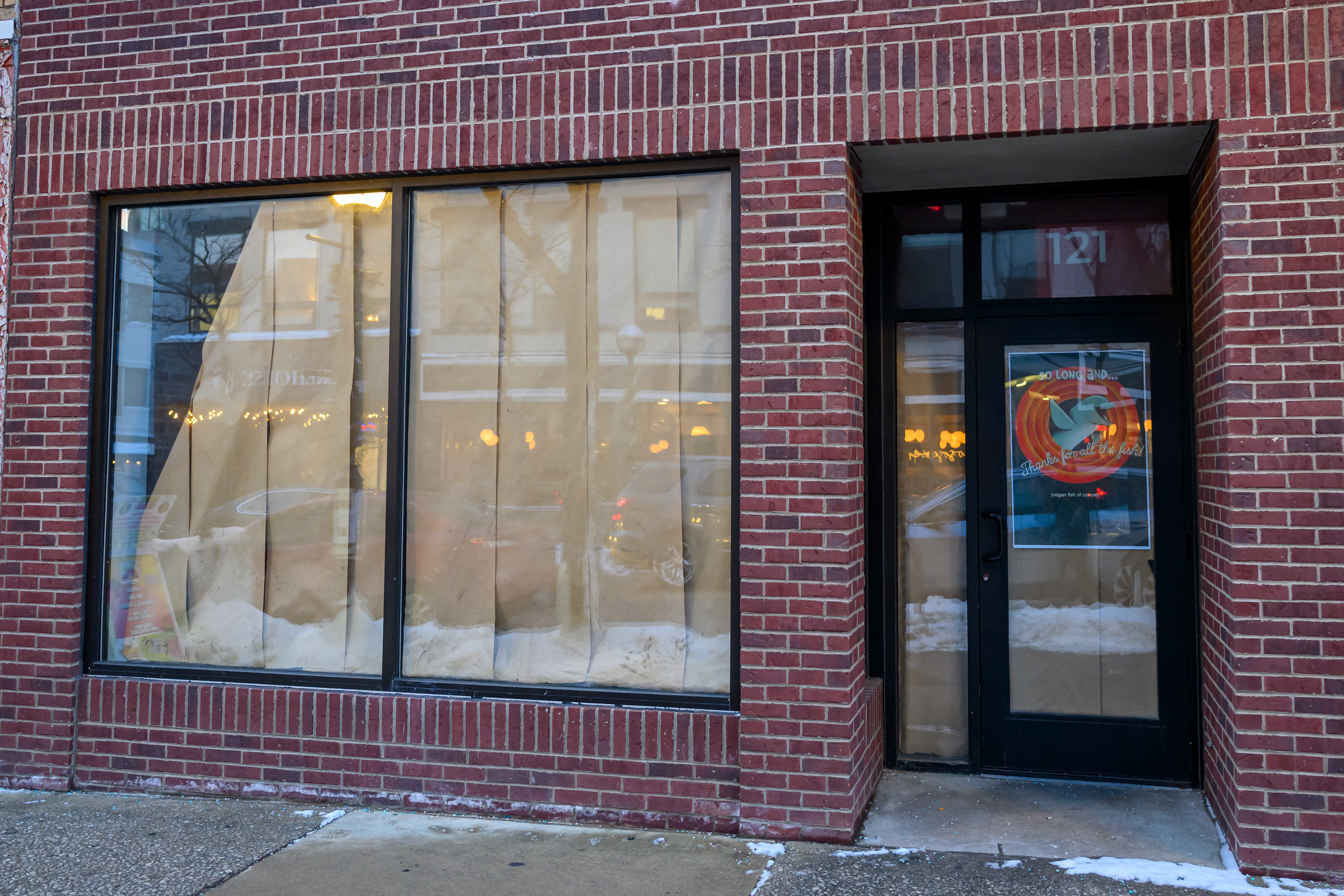
Cinnaholic, a popular vegan bakery featured on ABC’s Shark Tank, served its last customers in Ann Arbor on Dec. 24. Not long before, on Dec. 17, Noodles and Company, shut its doors. These closures join a growing list of restaurants and shops in Ann Arbor going out of business, with more than 100 local restaurants closing between 2018 and 2021 and continued closures since.
In an interview with The Michigan Daily, Sean Schwab, former employee at Noodles and Company of more than four years, said he was surprised when he lost his job and the location closed last month.
“I came to work early in the morning and there on the door, there’s a sign ‘permanently closed,’” Schwab said. “Lights are off, no warning whatsoever.”
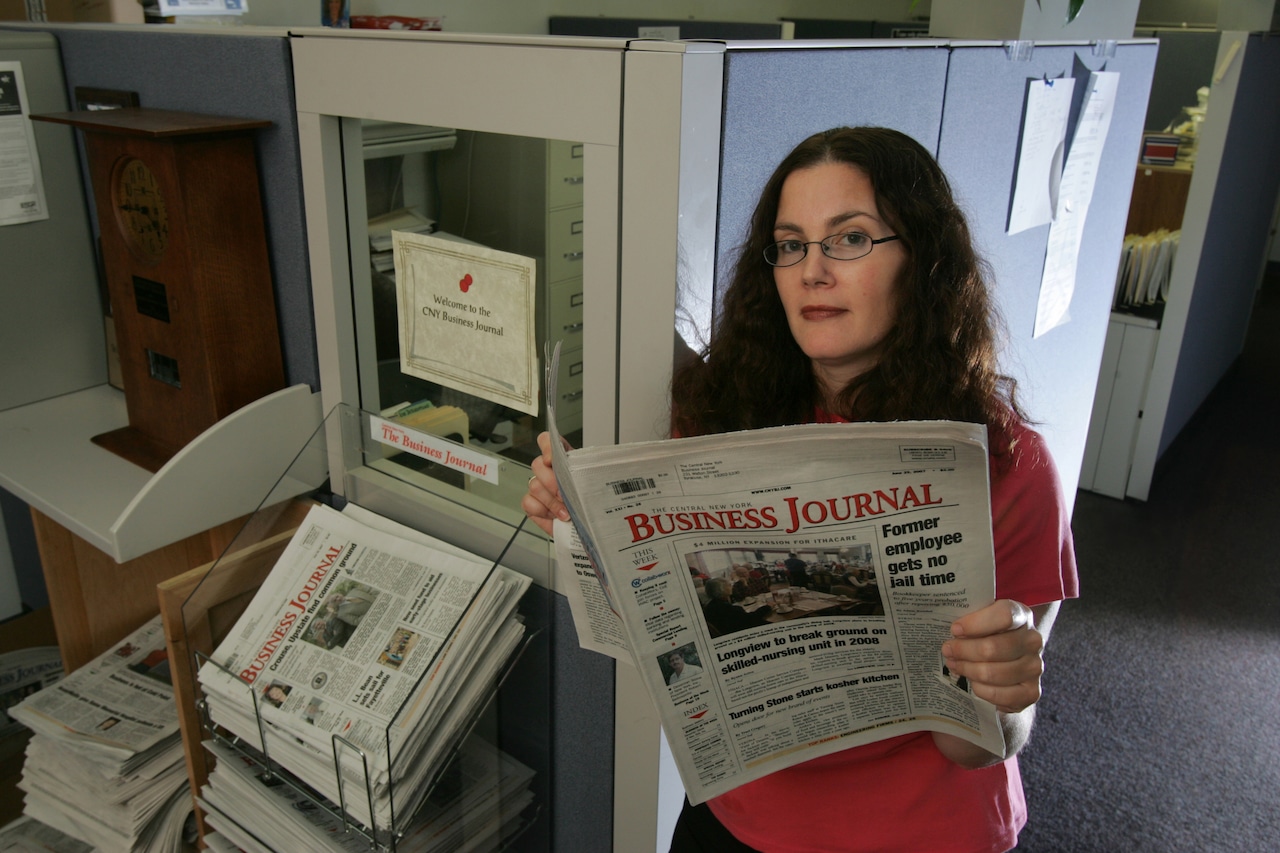
In an interview with The Daily, Michelle Maynard, business journalist and former University of Michigan visiting lecturer, said one of the most salient challenges for local businesses was the loss of pandemic-era rent subsidies.
“Businesses got a little bit of help from the government and landlords were very accommodating, but we’re past that,” Maynard said. “The subsidies have run out and the landlords justifiably want to make market rents, and so that just raises competition for everybody — whether they’re local, or national, whether you’re Ginger Deli or you’re Dunkin’ Donuts, you are competing and you have costs that you have to cover.”
LSA freshman Uma Rao worked at Cinnaholic throughout high school, from 2022 to 2025. In an interview with The Daily, Rao said Cinnaholic closing was not entirely unexpected.
“To be honest, Cinnaholic, specifically, was a very niche type of store,” Rao said. “There’s not much that people could have done because it’s not like it’s a grocery store where, for example, you’re going to buy groceries regardless …. You’re going out of your way to get this really specific dessert.”
Rao said the best way for local businesses to survive is to appeal to students, including through partnerships with the University.
“For college students, because we’re walking everywhere and we’re close to downtown, immediately, I think of having deals and sales and promotions and stuff like that, maybe during finals week or something that aligns with the academic calendar,” Rao said. “In the fall, there’s always little pop-ups and free food that the University provides or these small businesses provide. It always creates a lot of hype.”
Social Work student Will Matthews has lived in Ann Arbor since 2021. In an interview with The Daily, he said he thinks one of the biggest deterrents to students visiting downtown Ann Arbor is the lack of affordable dining options and food franchises.
“I would like at least one other form of a franchise,” Matthews said. “As cheesy as it is, it’s just affordable. I think I would like a more affordable Mexican place. I feel like Condados is there … They’re just expensive. I went in and it was like $5 for one taco, and I think my jaw dropped right in the restaurant.”
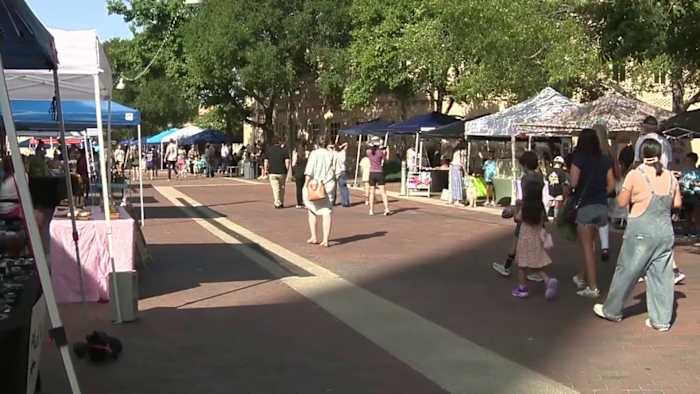
The Main Street Area Association in Ann Arbor organized more than 10 events this past year — like Restaurant Week and Galentine’s Day — and provides small businesses in the area with support and resources. In an interview with The Daily, MSAA Executive Director Ashley Schafer said a major challenge businesses are facing in downtown Ann Arbor is changes in foot traffic patterns.
“As people are going out, they’re being very selective on how they’re spending their money, and they’re also only coming out at certain times of the day,” Schafer said. “There’s not as many people coming downtown during the day going out for lunch or taking that time on their lunch break to go shopping — all of that activity is going into the evenings. I think a lot of the businesses have had to pivot what they were normally doing and their normal hours to make sure that they’re open while there are people downtown.”
Dave Algase, Marketplace column editor at the Ann Arbor Observer, has been reporting on restaurant and retail business closures, changes in ownership and location moves in Ann Arbor for the past three years. In an interview with The Daily, Algase said entrepreneurs take multifaceted risks when opening a storefront.
“When a business closes, it’s sometimes difficult to even get them to share their reasoning because it’s really a lot for an independent person or a small group to put their heart and their soul and their money and their time and their energy into a local enterprise and hope to achieve acceptance by the public,” Algase said. “I really admire anybody who takes that risk. So when they close, sometimes they’re very candid about the reasons; sometimes they don’t want to talk at all. Cinnaholic — they didn’t want to talk at all.”
Algase related the lifespan of small businesses to a cycle, growing, maturing and expanding before downsizing or closing. Algase said this natural process leads to new businesses opening and shouldn’t be deemed exclusively negative by the Ann Arbor community.
“For every closure, there seems to be someone — a lot of times local, sometimes out-of-town people or regional people — that is eager to reach the Ann Arbor customer base,” Algase said. “It’s one of the stronger economies in the state. And so it’s not like we have a whole bunch of boarded up storefronts — there’s a lot of people willing to step in.”
Daily Staff Reporter Anuttara Lath can be reached at anuttara@umich.edu.