2016’s Hottest Beauty Brands: Where Are They Now?
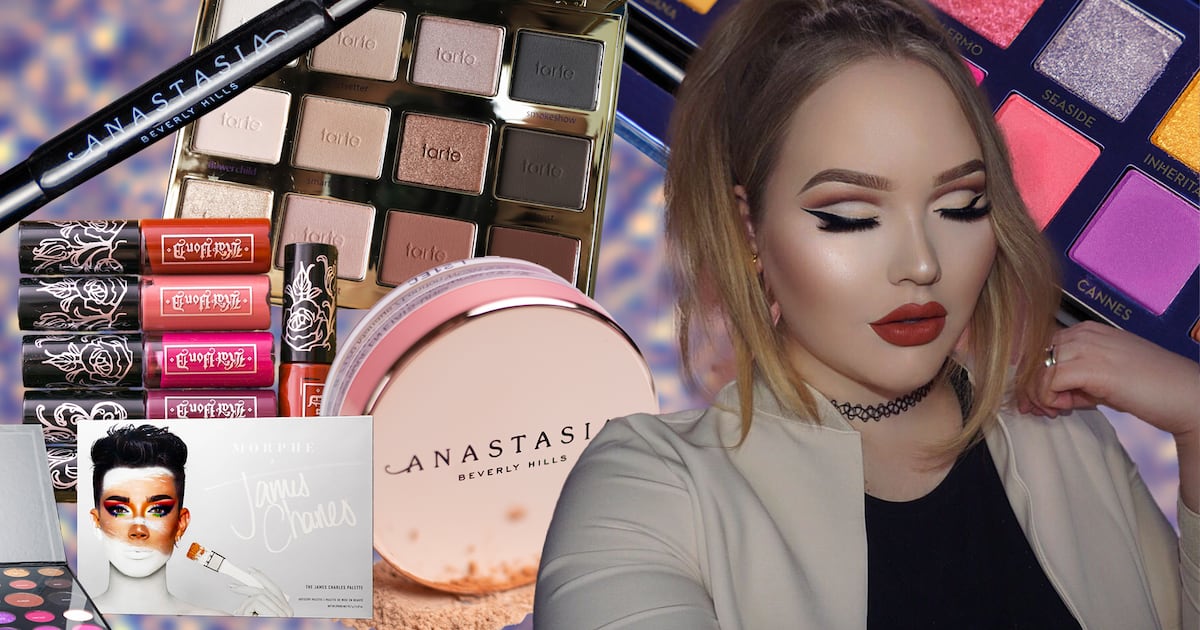
In the early weeks of 2026, social media was gripped in a short-term nostalgic fugue, reminiscing on the glory days of 2016 and wistfully remembering the year’s trends, like glamorous multi-toned “cut crease” eyeshadow and glittery highlighter.“This was the best era ever!!!” reads one Instagram comment. Another describes her favourite brands from the year as having her in a “chokehold.”Nostalgia has become a potent marketing tool, but it doesn’t mean anybody is buying. Despite their reminiscence, and how popular top names from the era like Anastasia Beverly Hills and Benefit Cosmetics were, these brands have struggled to evolve and resonate with today’s consumers.2016 is remembered for being an inflection point for the beauty industry. Instagram, and influencers writ large, had become a vital part of the beauty food chain: social media fostered a new generation of digitally native brands, including the likes of Kylie Cosmetics, Pat McGrath Labs and Glossier. The maximalism of the era — of block brows, prismatic eyeshadow and stage-quality contour — extended to these brands’ valuations: Estée Lauder Companies spent $1.4 billion acquiring Too Faced and around $300 million buying Becca; L’Oréal splurged $1.2 billion on It Cosmetics. Despite how consequential the year felt for many founders — especially those who achieved unicorn status — many of the hot brands have seen their best days pass by. Pat McGrath Labs filed for bankruptcy this weekend after a precipitous drop from a billion-dollar valuation; ELC shuttered Becca in 2021 and is looking to sell off Too Faced and Smashbox; and AS Beauty, which acquired 20-year-old Cover FX in 2022, announced the label’s closure last week. In a trend-driven industry such as beauty, some attrition is inevitable. But the speed of deceleration has created a new set of challenges and a higher watermark for brands looking to find acquirers. Of the 10 most-talked about brands on social media in 2016, per analytics firm Creator IQ, only a handful like Huda Beauty and Tarte which continued to innovate still make shoppers’ most-wanted lists. It’s more than just trends moving on. The bombastic growth of a handful of brands from the mid-aughts onwards reset expectations around valuations and growth trajectories. Below, The Business of Beauty team explores where the 10 biggest brands are now, and what can be learned from their journeys. The OG Influencer Brands: Anastasia Beverly Hills, Morphe, Kat Von D Beauty and Huda Beauty2016 was the year that influencers began to be seen as moguls, not just makeup enthusiasts, and many began inking deals and launching brands. Masstige line Morphe rose to prominence by tapping high-profile collaborations with names like Jeffree Starr and James Charles. Ultimately, both Morphe and Kat Von D Beauty (now known as KVD Beauty) were undone by the very thing that made their brands skyrocket: Kat Von D, the line’s founder, Charles and Starr all faced scandals of different proportions and natures that led to the brands coming to a standstill. Forma Brands, which derived 80 percent of its sales from Morphe, declared bankruptcy in 2023. Once valued at $2 billion, it was acquired later that year by its lenders for $690 million, while Kat Von D Beauty was forced to rebrand and publicly distance itself from its founder.Today, investors working with influencer-led brands now want to see more mettle to know they can last. Anastasia Beverly Hills, the year’s most-mentioned line, was built on both its founder Anastasia Soare’s expertise in eyebrows and her daughter Claudia’s (also known as Norvina’s) digital following. But despite their efforts to bring the brand into the future, sales continued to slip, especially as trends in its biggest categories of brows, lips and eyes shifted towards a more natural look.The company defaulted on a loan in 2024, forcing Soare to inject $225 million of her own funds and wiping out most of the private equity stake that valued it at $3 billion in 2018. Huda Kattan’s Huda Beauty continues to be popular, despite Kattan facing antisemitism allegations following a video posted to her social media in 2025. For now, the brand seems largely unscathed by the controversy, and the brand has maintained relevance with newer innovations in complexion. Kattan bought back full ownership from TSG Consumer Partners in 2025, and new launches are still positively received by the brand’s more than 50 million Instagram followers. Daniela Morosini, Senior Correspondent & Special Projects EditorThe Pro-at-Home Brands: Urban Decay, MAC Cosmetics, NYX Professional MakeupThe 2016 obsession with bold glamour and in-depth makeup tutorials laid the groundwork for artistry-led brands to multiply. In 2016, MAC Cosmetics owner Estée Lauder Companies highlighted the brand as a key driver in its double-digit growth in colour cosmetics. Buzzy moments, like tapping Ariana Grande to front its annual Viva Glam campaign, led to social shopping platform Polyvore dubbing it the “biggest beauty brand of the year”. L’Oréal-owned brands Urban Decay and Nyx Professional Makeup, both founded by beauty industry insiders, were also moving fast. Though it was originally released in 2010, new iterations of Urban Decay’s white-hot Naked eye palettes came to be a key 2016 makeup item, while sales at Nyx quadrupled thanks to hits like Lip Suede — an affordable alternative to the perennially sold-out Kylie lip Kit.Nyx’s accessible price point and nimble responses to trends has helped the brand continue to grow, but both MAC Cosmetics and Urban Decay have needed recalibration. Even after Urban Decay relaunched the Naked palettes in 2024 to revive customer interest, Google Trends data shows interest is now only around a tenth of the Dec. 2016 peak for the brand. MAC Cosmetics has been working fast to rebuild momentum, hiring legendary stylist Nicola Formichetti as a creative director and appointing Gen Z singer Chappell Roan as an ambassador.Nyx’s low prices, broad availability and popularity with young shoppers has helped it mature into a legacy brand, but the modern crop of artistry brands have an actual makeup artist as a founder. The likes of Makeup by Mario, Danessa Myricks and Patrick Ta all have established artists at the helm, and trade on their talent.Rachael Griffiths, Senior Editorial AssociateMakeup as Play: Benefit Cosmetics, Too Faced and Tarte10 years ago, makeup marketing was less about payoff and more about playtime. Benefit Cosmetics always had a winsome vibe, but 2016 is when the San Francisco-born brand, which was acquired by LVMH in 1999, released a “They’re Real” campaign for its falsie-fooling mascara with a line of string bikinis that blared the product name directly across the nipple line. A spring campaign asking “Who’s the Bronzest of Them All?” with a sexed-up Snow White posing with seven shirtless hunks on the beach brought the messaging home. Too Faced kept chasing the high of its “Better Than Sex” mascara launch of 2013 with its Sweet Peach palette, which featured come-hither stares in the ad campaign and colours like “Talk Derby To Me” violet. 2016 was also when Maureen Kelly’s California-based label Tarte unveiled Shape Tape Concealer, which allowed shoppers to copy the contouring techniques seen on YouTube makeup tutorials from then-baby influencers like Patrick Starrr. Now, it seems playtime is over. Estée Lauder Companies is looking to sell off Too Faced in a package deal after recording multi-million dollar impairments on the line — despite some hero products, it hasn’t been able to evolve past its frilly image. Benefit Cosmetics has also had trouble expanding its mandate, and launched skincare in 2023 spun off from its Porefessional primer franchise. Consumers think of Benefit spackling over their pores, not cleaning them out. Tarte has moved with the times more — it was an early adopter of platforms like TikTok, and continually invests in flashy stunts, including influencer trips, high-profile giveaways for teachers in the US, and a hologram of its founder Maureen Kelly, all of which help keep the brand in the beauty conversation.Shoppers do miss the glamour and the play of the era, however. One on throwback post, a creator, Sadie B. Beauty, reminisces, “I really was that girl then.” Faran Krentcil, columnistSign up to The Business of Beauty newsletter, your complimentary, must-read source for the day’s most important beauty and wellness news and analysis.