Irish anti-immigrant 'influencers' copying talking points from international groups
Ireland is "of interest to the global far-right" while anti-immigrant 'influencers' here are taking their talking points from international groups, according to an organisation that monitors extremism.
The Global Project Against Hate and Extremism (Gpahe) monitors far-right and extremist groups across the globe.
Gpahe recently published a report which found international far-right organisations have taken inspiration from extremist violence against migrants in Ireland.
In an interview with BreakingNews.ie, Gpahe co-founder and president Wendy Via said this is still the case, adding that the trend of anti-immigrant 'influencers' on the likes of X and TikTok is following global trends.
"Ireland is of interest to the global far-right. It is predominantly white, it is English speaking.
"Even though Ireland thankfully does not have a strong extreme far-right, and it's not organised, the ones who do get involved use the same political talking points as far-right politicians and agitators in other countries.
"'You're taking our housing, the crime rate is going up, we're losing our culture', it's all the same exact talking points. Ireland has been resistant to that but I think some of these far-right actors know if you just continue to beat this drum that you might get in there a little deeper.
"That certainly is what has happened in other countries, and it works when people are feeling the economy is a mess, when they feel they don't have opportunities... are they happy with the EU? Are they happy with their housing, jobs, it's all of this stuff.
"They sow these seeds of discontent to make their message more palatable."
Ms Via said, "Ireland is not unique in that. It's the same story anywhere where there are people pushing mistruths about migration.
"When people are constantly told immigrants are hurting them in a variety of ways, this gets through.
"They don't need electoral success. When we did our reports a few years ago, we could see anti-migrant narratives starting to build; now it is quite pervasive.
"However, it doesn't mean Ireland is at risk. It just means Irish people should be diligent; there are people who want them to go against their values and give them false reasons to do that, for the far-right to create an enemy."
'Toxic algorithms'
She said the "toxic algorithms" on sites like X and YouTube are allowing these anti-immigrant agitators to position themselves as influencers, with some far-right Irish accounts boasting hundreds of thousands of followers.
"Influencers are huge in this. In the United States campaigns, political parties and various companies aren't really running ads anymore, they are hiring influencers because the reach is greater, it's more attention-grabbing, and it's a conversation that people can become a part of. It's a change that has been coming, and it's a money-making operation.
"You get influencers to tell the story, and social media is the worst place to get information. The algorithms push the most controversial topics, and it works.
"There isn't a solution to how the far-right can have this impact online. In short, be aware of the influencers.
"They wouldn't have the presence they have were it not for their ability to spread their message, and spread it transnationally.
"You see, people like the Identitarians in Germany encouraging extremists in Ireland, it makes them feel like they are a part of something.
"You have to point out that what the influencers are saying in the large part is not true."
She said women and the LGBTQ community are also targets.
Ms Via also said it is unsurprising that the European Union is a frequent target for anti-immigrant activists.
Right now the conversation in Ireland is about migrants, but that's just the start.
"The thing that's attractive about Ireland for these groups is its Catholic heritage. These are issues people already struggle with, and it's a wedge to weaponise them.
"You start by talking about migrants, then how culture has been 'destroyed', then before you know it, you're talking about same-sex marriage, adoption, surrogacy, all of these things.
"Sometimes political parties do get their talking points from extremists, we've seen that in the European Parliament. You have countries like Hungary that rage against the EU even though they benefit so much from it.
"It's all of this 'Europe isn't Europe anymore, there are too many migrants, it's not a Western civilization anymore'."
Dublin riots
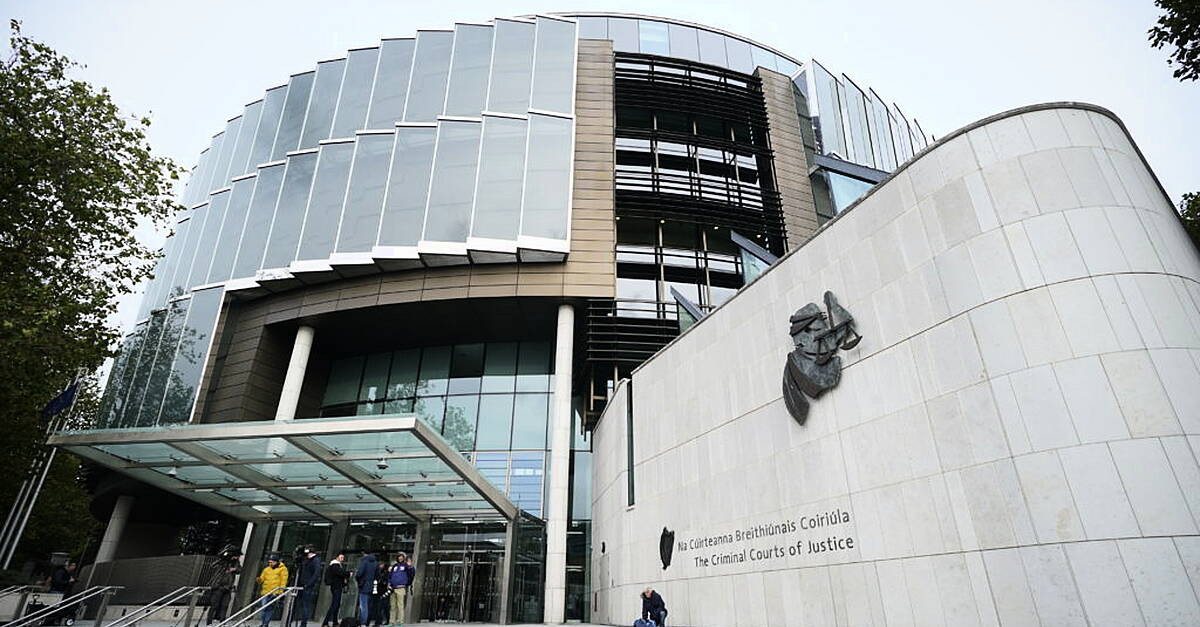
While many of those involved in the Dublin riots have now received prison sentences, An Garda Síochána hit a wall when trying to hold those who inflamed the situation online to account.
The same is true for activists who have encouraged violent protests outside IPAS centres.
This is a problem worldwide, and Ms Via said it is only getting worse.
"Extremist leaders have always got someone else to do their dirty work, social media is their medium now.
"X is really bad, to the point we can hardly monitor the fringe sites anymore because they're all on X again, and there's no way to analyse the data because Elon Musk does not make it available. There is some availability in the EU, but it's not what is required.
"All of the extremists who went to places like 4chan, Telegram and Gab, they don't need to be there, they can go back to X where they have huge audiences. However, they're all bad. YouTube has always been among the worst.
"We just identified a neo-Nazi marketing system on Instagram.
"It's nearly impossible unless it's the people on the ground rioting, that's always been the challenge for groups like ours. It's so clear people are encouraged to commit acts of hate crime, hate speech or violence, from what they read and people they admire online who will never do it themselves.
"Nothing can be done about this. Even in countries with strong hate speech or incitement to violence laws, it's so difficult to prosecute that. Right now with the US getting into the EU's business in terms of the DSA (Digital Services Act) and freedom of expression and religion, you can expect to see a weakening of some of these laws in the next couple of years."
Steve Bannon, a former White House strategist who was key in US President Donald Trump's 2016 election victory, recently turned his attention to Ireland.
Mr Bannon, who is now a right-wing, MAGA podcaster, recently said, "I’m spending a ton of time behind the scenes on the Irish situation to help form an Irish national party".
In the interview, with Politico, he said: "They’re going to have an Irish MAGA, and we’re going to have an Irish Trump. That’s all going to come together, no doubt. That country is right on the edge thanks to mass migration."
Steve Bannon recently predicted an "Irish Trump". Photo: Getty Images
Ms Via said this is an example of international interest in Ireland from far-right groups, however, she said what Mr Bannon said should be taken "with a grain of salt".
She pointed to his attempts to promote European far-right groups to date, which have seen little to no success.
"Steven Bannon is so bombastic, and he says things to create a narrative that he wants. I would take everything with a grain of salt that he says.
"It's a way for Bannon and others to rally people, 'all you need is someone with the strength of Trump to get all these things fixed, I'll help you find this person.'.
"Bannon hasn't had as much in the European space as he wants.
"I'd be more concerned about the Heritage Foundation, Political Network for Values, Alliance Defending Freedom [American far-right groups], than I would be about Steve Bannon."
She added: "I firmly believe all of this far-right activity has a white supremacist foundation. For the political parties that talk about migration, leaving the EU, there is this underpinning of that.
"It's not just white supremacy, it's this desire to go back to how things 'used to be', where women didn't have as many rights, minorities had no rights.
"The groups behind the likes of Project 2025 in the United States are very busy in Europe and Latin America, taking these ideas and finding people who agree with it."
While far-right groups have not had any real electoral success in Ireland, Ms Via said there is a danger in political parties veering to the right to appeal to extremist views.
Minister for Justice Jim O'Callaghan has recently been accused of such for the Government's tightening of immigration policy.
Ms Via stressed there was a difference in robust immigration policy and pandering to the far-right, however, she said the latter can slowly creep in and compared it to European leaders' attempts to please Donald Trump.
"There is a difference between thoughtful and comprehensive immigration policy, and let's just punish immigrants. People often confuse these things.
World
Protesters demand immigration agents leave Minneapolis after fatal shooting
"When you have extremists, they will never be happy with it, they'll always push for more repressive policies.
"Think about Trump. One thing these EU presidents and prime ministers are understanding, is that you can't appease an authoritarian. They won't react how you want, they will just see you as weak. That is what Trump is doing.
"People already know this about Putin, but somehow they can't quite get their with Trump.
"Macron and Starmer call him to try to appease him, that's just feeding his ego. It's the same mentality for these far-right leaders."