Why Kim Kardashian's elephant Birkin bag became a lightning rod instead of a flex
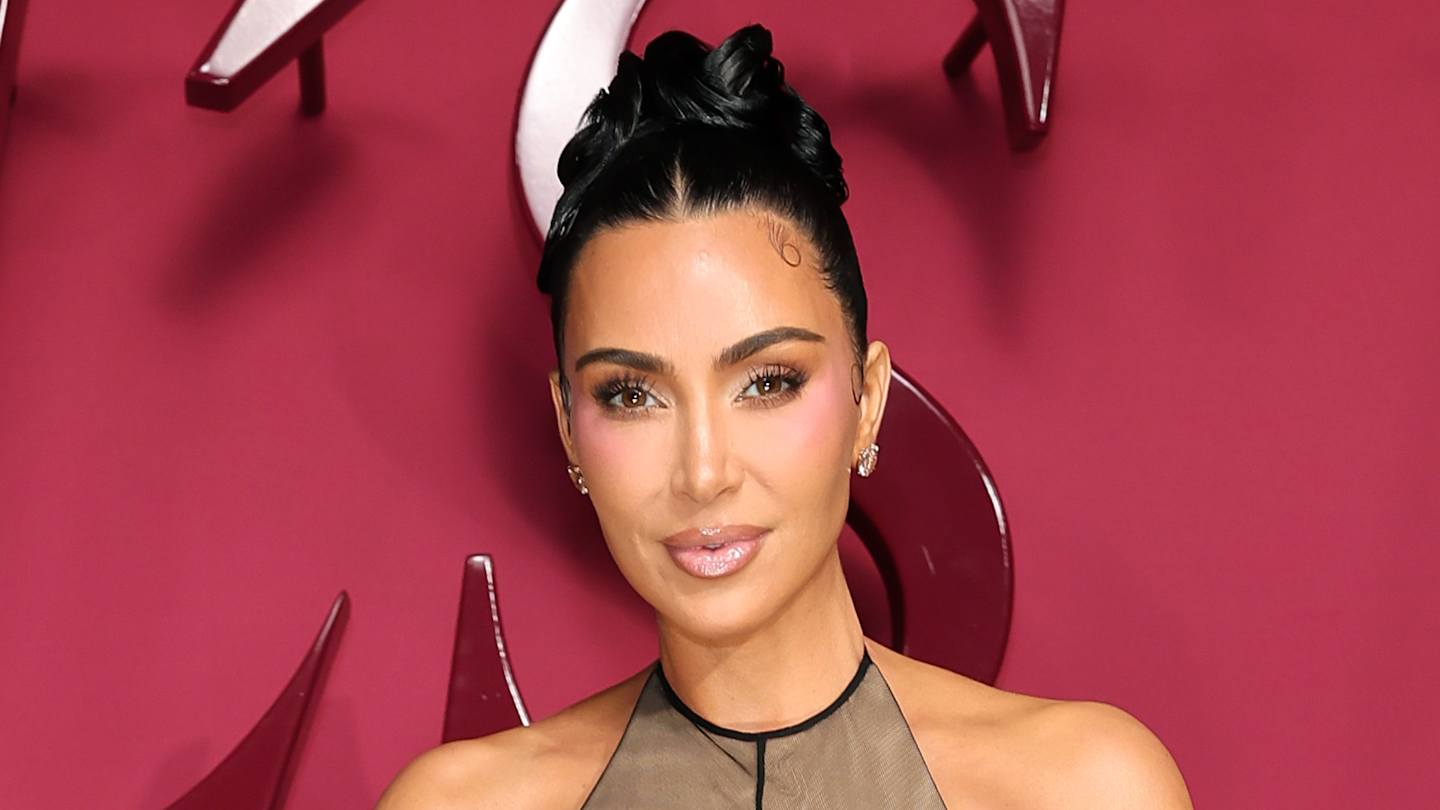
I’ve watched enough celebrity luxury moments to know how they’re supposed to land. A rare bag appears on screen, social media lights up, and the reaction usually falls somewhere between envy and eye-rolls. That’s why the backlash around Kim Kardashian and the so-called elephant Birkin caught my attention. This one didn’t play out like a flex at all. And the more I watched it unfold, the clearer it became.The moment that set everything offThe controversy started when viewers spotted what appeared to be an elephant-skin Birkin bag in a scene tied to Kim’s latest project. Almost immediately, social media jumped to conclusions. Was it real? Was it exotic leather? Was this another example of tone-deaf luxury at a time when people are already fed up with celebrity excess?Kim later clarified that the bag was a prop and not made from real elephant leather. From a factual standpoint, that explanation matters. But culturally, the damage was already done — because the reaction had very little to do with the material facts.Why this Birkin hit differentlyFor years, Birkins functioned as shorthand for aspiration. They were the ultimate status symbol: rare, expensive, and inaccessible by design. At one point, that exclusivity was the appeal.But something has shifted. We’re living in an era of visible wealth fatigue, where displays of extreme luxury don’t automatically read as success. Sometimes they read as provocation. The Birkin — especially one associated, even mistakenly, with exotic materials — landed right in the middle of that tension.What struck me wasn’t the outrage itself, but how fast it escalated. The bag became a stand-in for everything people are uneasy about: excess, inequality, and the sense that celebrities live in a different moral universe than everyone else.Why Kim always becomes the lightning rodHere’s the uncomfortable truth: if almost anyone else had been involved, this might have blown over faster. But Kim Kardashian doesn’t get the benefit of the doubt. She’s spent years embodying aspirational wealth — not just benefiting from it, but branding it. When you become the symbol, every object you touch carries extra meaning. A Birkin on Kim isn’t just a bag; it’s a statement, whether she intends it to be or not.That history explains why even a prop could spark such a strong reaction. The internet doesn’t react to context first. It reacts to symbolism.Kim Kardashian has long embodied aspirational wealth, making even a single luxury item a symbol — and why a Birkin on her sparked scrutiny rather than admiration.(Kim Kardashian/Instagram)When luxury stops being neutralWhat fascinated me most is how quickly admiration flipped into critique. Not long ago, a Birkin would’ve been treated like a trophy. Now, it’s just as likely to be treated like evidence.This moment says less about Kim’s intentions and more about how audiences have changed. People don’t just consume celebrity imagery anymore — they interrogate it. They ask what it represents, who it excludes, and whether it deserves celebration at all.Why this wasn’t really about the responseA lot of coverage focused on Kim’s clarification, but that’s not the interesting part to me. The more telling detail is that the explanation didn’t immediately cool things down. Facts alone didn’t resolve the discomfort because the discomfort wasn’t rooted in misinformation.It was rooted in a growing skepticism toward conspicuous luxury — especially when it’s attached to someone whose brand has long thrived on excess.What this moment actually revealsIf there’s a takeaway here, it’s that luxury no longer guarantees admiration. In some cases, it invites scrutiny instead. Objects that once symbolized success are now being read as cultural statements — whether celebrities like it or not.Kim Kardashian didn’t lose control of the narrative because of a bag. The narrative changed because the audience did. And in 2026, even the most iconic status symbols can turn into lightning rods faster than they turn into flexes.







Comments (0)