'It cost Molly her life': Is this one of the UK's biggest hospital scandals?
"Molly's life was cut short… because of failings within an institution that was there to protect her."The words of John Cuddihy, whose daughter was diagnosed with cancer aged 15 before contracting an infection possibly linked to contaminated hospital water.
The scandal centres on the near £1bn Queen Elizabeth University Hospital in Glasgow that opened in 2015, days after a report, which was leaked by whistleblowers, warned of "high risks" with the water supply.Several children died and more than 80 fell ill at the campus, which health bosses admit opened too early.NHS Greater Glasgow and Clyde, the local health board, had always denied any link between the bacteria-related illnesses and the water system. This week the NHS finally conceded some infections were probably linked.
Police and prosecutors in Scotland have named Glasgow's NHS as a suspect in a corporate homicide investigation.Health leaders have in recent days issued a "full and unreserved apology" for the handling of the crisis and the harm caused.In 2021, Molly Cuddihy told a public inquiry that she was informed her infection was linked to the "environment", such as water or air.She died in 2025. Prosecutors have told Sky News they are separately examining her death.
Image:
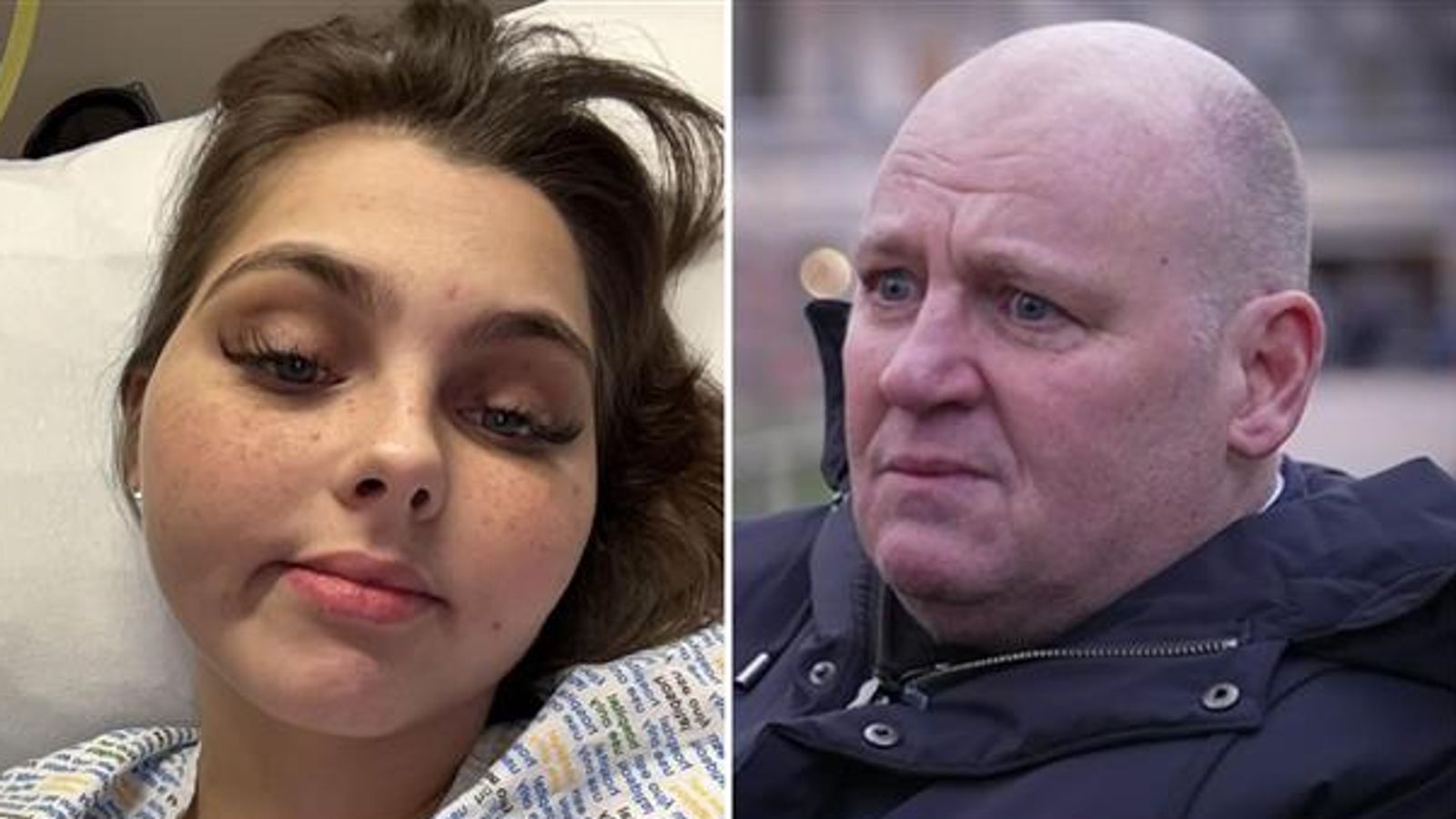
Molly Cuddihy and her father John
'Failings cost my daughter her life'Her father, Professor John Cuddihy, had made it his mission to get answers.The former police officer is at pains to stress the staff treating his daughter over the years were "world class", but he condemns NHS leaders and the lack of transparency."It cost Molly her life. The bacterial infection that she had had such a debilitating impact on her quality of life. It was a consequence of… the infection that should never have happened."An emotional John describes his daughter as "the most remarkable wee girl".Mr Cuddihy continued: "Molly's life was cut short because of the failings, the corporate failings within an institution that was there to protect her. They failed to protect her. That is very, very hard to forgive."
Image:
Queen Elizabeth University Hospital in Glasgow
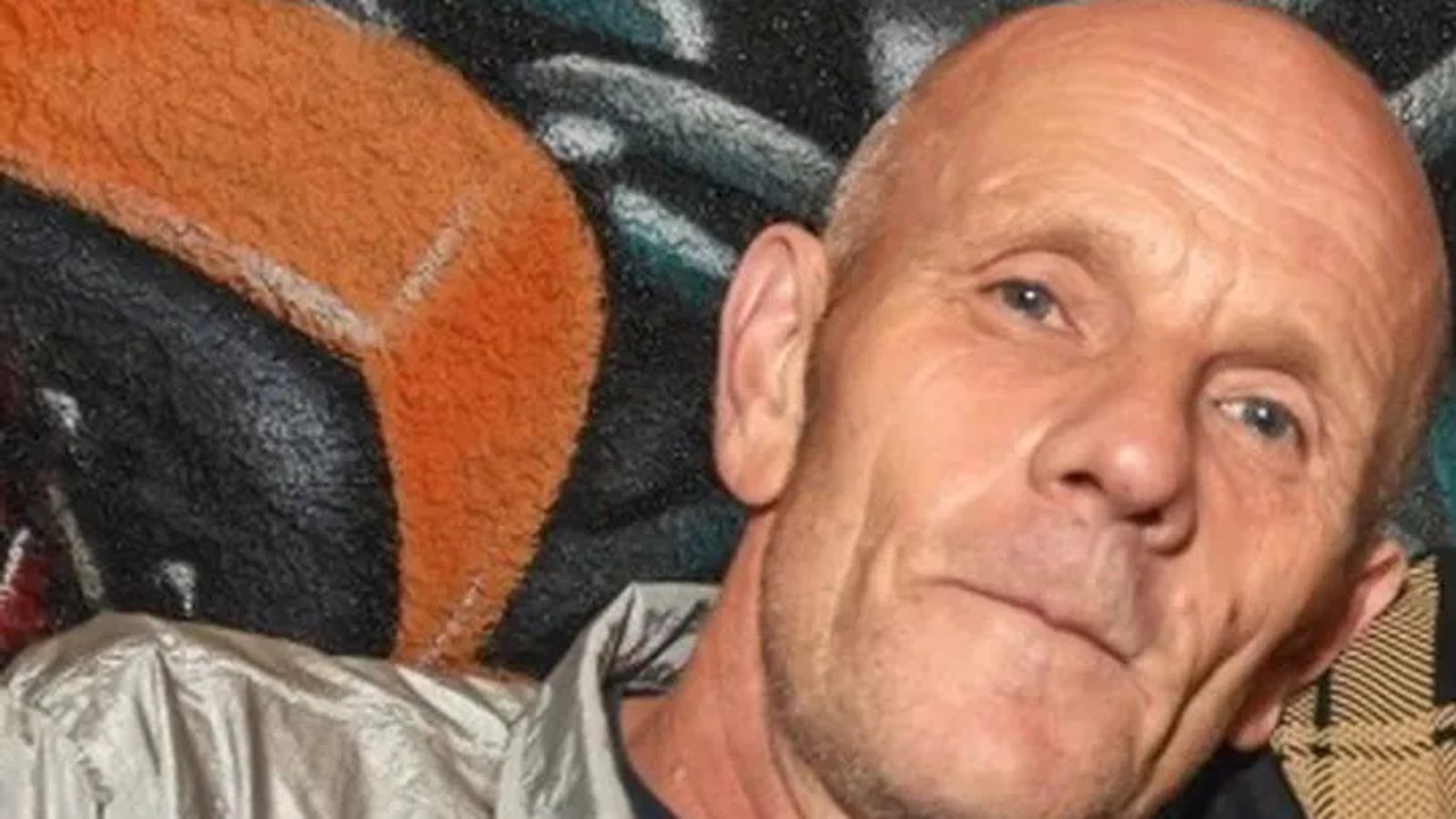
Mother claims daughter was murderedThe case of 10-year-old cancer patient Milly Main became one of the main catalysts for the creation of the judge-led public inquiry.She passed away in 2017 after contracting an infection found in water while recovering from leukaemia treatment. Her mother claims she was murdered.Detectives are examining her death as part of the ongoing investigation.
Image:
Milly Main died while recovering from leukaemia treatment
The whistleblower who isn't convinced the hospital is safe todaySky News has interviewed Dr Christine Peters, a prominent consultant microbiologist who still works at the Queen Elizabeth University Hospital.She was the infection control doctor on site when the building opened and she describes "immediately having concerns about the validation of the building".She risked her career to whistle blow publicly about her concerns when the campus opened, and the ongoing worry she still has.
Image:
Dr Christine Peters, consultant microbiologist at the Queen Elizabeth University Hospital
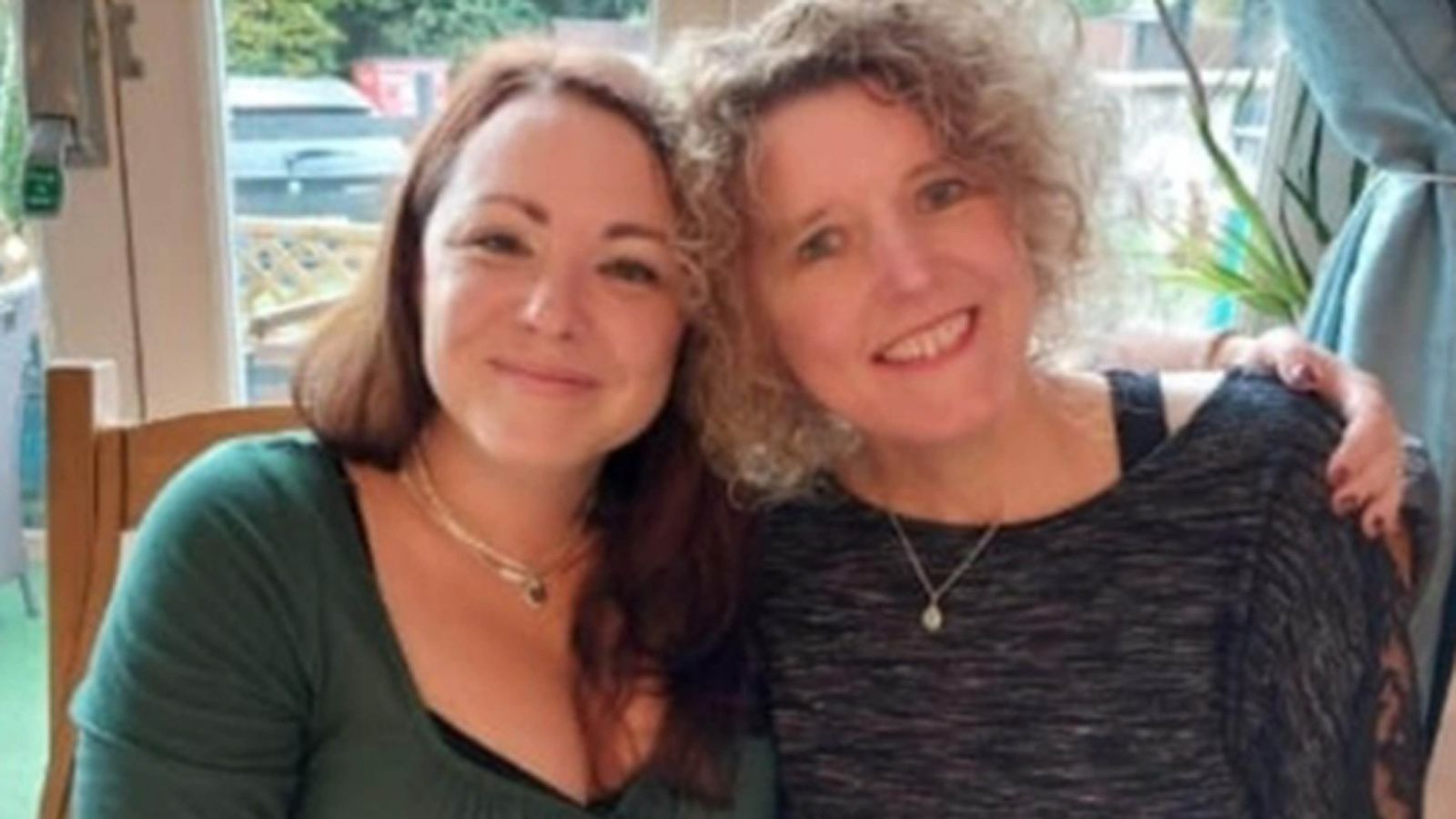
Dr Peters said: "My concerns were very much focused on the potential for there to be fatal infections and that is why we did what we did."The senior clinician describes being "mocked" and "intimidated" when raising the alarm among senior NHS leaders, including her contribution being treated as "irrelevant" at hospital meetings.NHS Greater Glasgow and Clyde admitted it previously mistreated whistleblowers.When asked by Sky News if deaths and harm may have been avoided if whistleblowers were listened to, Dr Peters replied: "That is my belief. It is an awful thought. It is difficult to prove because there are so many factors involved."Dr Peters was questioned about whether she believed the Glasgow super hospital was safe today, as NHS leaders suggest.She replied: "Clearly everyday thousands of patients are going to that hospital, and my colleagues are brilliant. Do we have the evidence to show us the hospital is safe today? From my personal point of view, I don't have the evidence that satisfies me."When asked to clarify, she said: "I think in terms of specific details, I don't have details to say one way or the other and after 10 years that is not acceptable."The battle between cancer and infectionCharmaine Lacock's daughter Paige was two years old when she was diagnosed with leukaemia at the Glasgow super hospital.Paige is now 10 but is still living with the consequences of an infection she contracted during her cancer treatment.
Image:
Paige was two when she was diagnosed with leukaemia
Ms Lacock told Sky News: "We were told she had a life-threatening infection and that it could go either way. You automatically think my kid is going to die."So you prepare for the worst. We should have been in a position where we had all our time and energy to fight the cancer."The mother, who lives in Clydebank, said she was met with a culture of denial when she pushed for answers and believes there was a conspiracy to cover up what was really happening.
Hospital is safe, says NHS trust…NHS Greater Glasgow and Clyde recognises communications failings but has denied a campaign to cover up.A spokeswoman said: "We offer our sincere and unreserved apology to the patients and families affected."We want to reassure patients and families that the QEUH and RHC are safe today. Ensuring the safe care of our patients is our key priority at all times."Comprehensive steps have been taken to address past physical defects in the building, and a significant and ongoing programme of maintenance and monitoring is in place. Our staff are committed to providing safe, high-quality care."In our closing statements we have acknowledged issues with past culture and communication, and we are committed to learn and continue to improve our approach. We have outlined the significant improvements undertaken as an organisation during this time to improve governance and oversight, and that issues are being addressed both proactively and reactively, and in a timely manner."
…but 'cover-up' claims persistKaren Stirrat flew her son Caleb to the US for proton beam therapy after he was diagnosed with a brain tumour at the age of three.She alleges American doctors revealed the medication her son had been prescribed in Scotland was due to "dirty water" and a "dirty hospital" rather than drugs to deal with the cancer.Ms Stirrat told Sky News about the moment US doctors examined the situationShe said: "It was disclosed over there that it (the drugs given in Scotland) wasn't actually part of his chemo regime after all."We were puzzled. They looked at us flabbergasted, and they said they had to phone Glasgow [for answer]."
Karen returned the next day with her husband for answers where she said "the words out the clinician's mouth was 'your dirty water and your dirty hospital'."Ms Stirrat also alleges a "cover-up" and believes it is to protect themselves from "any future prosecutions".Scottish Labour has been pressuring the SNP Scottish government over whether there was pressure from ministers in 2015 to open the hospital before it was ready.First Minister John Swinney rejected the claim.