Tesla’s Robot Dreams Hit Reality As Musk Warns Production Will Be 'Agonizingly Slow’
If you've been following Tesla as long as I have, you may feel a deep sense of déjà vu right now. That's because Tesla appears to be gearing up for a fresh, exciting round of "production hell" with its new foray into robots and robotaxis.
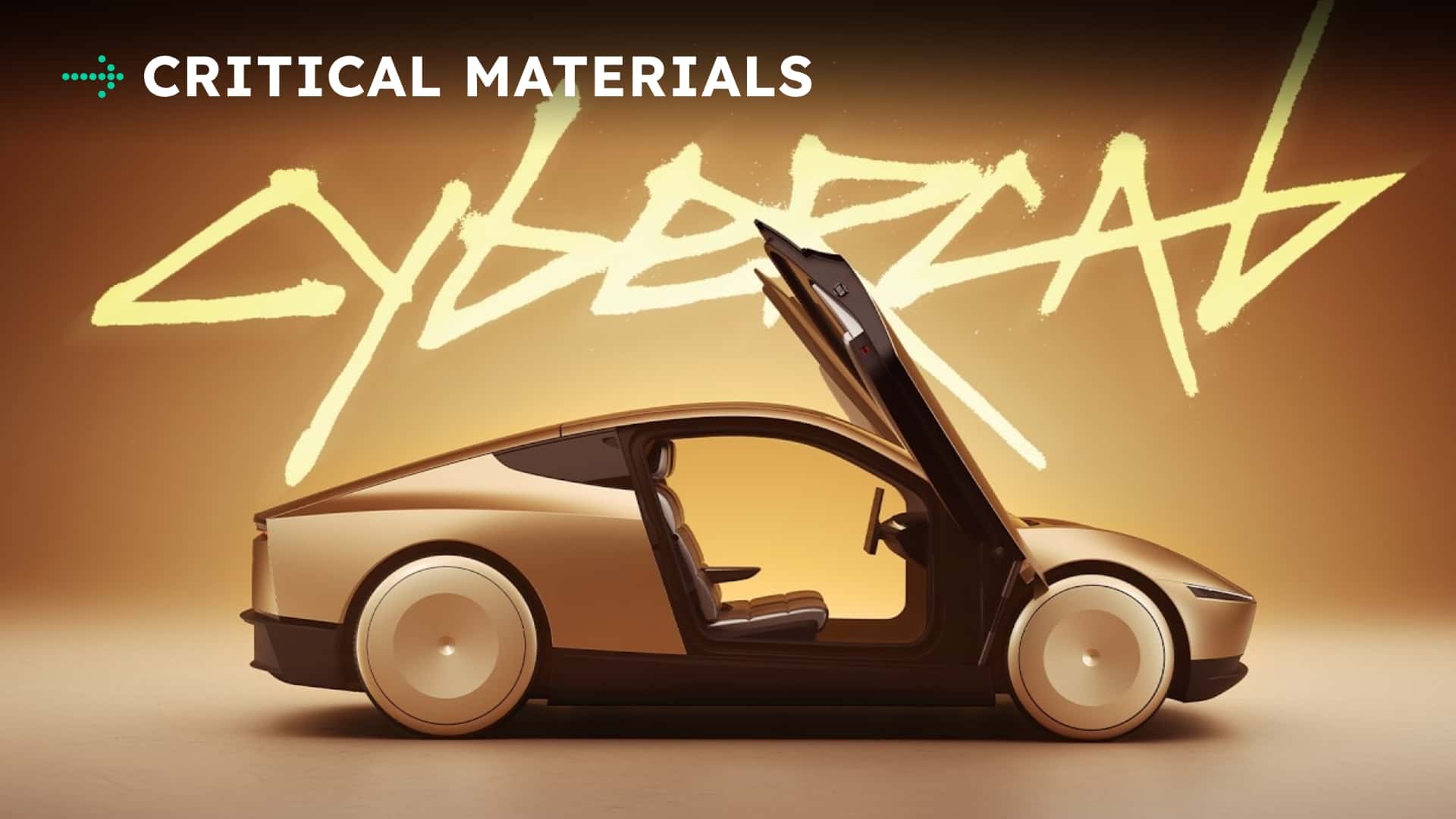
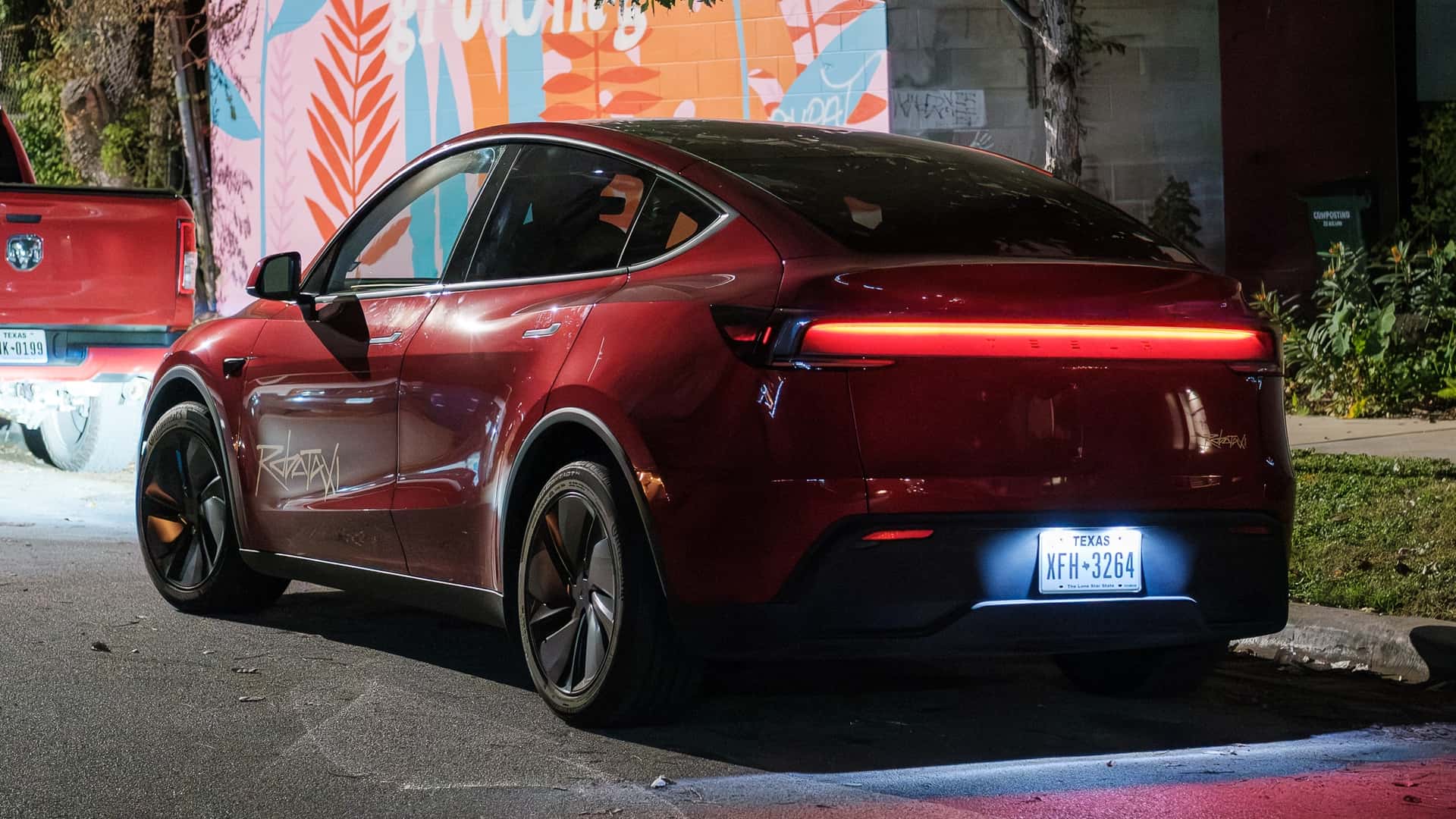
CEO Elon Musk warned that as Tesla nears the 100-day mark to the start of Cybercab production, it won't be all sunshine, rainbows and "sustainable abundance" right away.
The must-read auto and tech briefing, every weekday.
Welcome back to Critical Materials, your daily roundup for all things electric and tech in the automotive space. Also on deck: Congress wants its EV charger money back and Scout's direct-to-consumer sales model faces yet another lawsuit by dealerships. Let's jump in.
25%: Welcome Back To Production Hell, Tesla
Photo by: InsideEVs
In an X post, Tesla's CEO tempered expectations for a quick rollout of the company's two most important products: the Cybercab robotaxi and Optimus humanoid robot. Early production will be, in his words, "agonizingly slow."
He explained that the enemies of speed are complexity and novelty. And given that both Cybercab (as long as it can still be called that) and Optimus are all-new machines with new parts, processes and assembly steps, a slow ramp is to be expected. The Cybercab, for example, is supposed to use Tesla's new "unboxed" manufacturing process.
"The speed of the production ramp is inversely proportionate to how many new parts and steps there are," Musk said in the post.
The CEO has said time and time again that both products are essential to the success of Tesla. The Cybercab is seen as Tesla's path to solving the world's transportation problems (once it can actually solve autonomous driving) and the Optimus robot is billed as essentially an infinite money glitch for Tesla.
Musk has alluded many times to the "production hell" period of ramping up Model 3 production, when he slept on the factory floor and when the company nearly went under. Now Tesla is on the brink of another challenging ramp.
What makes this moment particularly tense is that Tesla's valuation is already tied to the success of both products. Investors have already pumped a significant amount of cash into the stock with the expectation that Tesla will succeed in bringing both to market. Reuters explains:
Much of Tesla's $1.39 trillion valuation hinges on investor expectations for its self-driving technology and humanoid robots, even as the company's core revenue and profit continue to come from electric vehicle sales.
The EV maker has said it was on track to start volume production of Cybercab in 2026, with Optimus output "hopefully" starting towards the end of the year.
Musk has described the humanoid robot project as central to Tesla's long-term strategy, saying it could eventually dwarf its vehicle business. He has argued the robots could unlock massive new economic value by taking on a wide range of tasks that humans are unwilling to perform.
The "agonizing" part won't last forever. Eventually, Musk said, Tesla will be able to churn out robots and robotaxis "insanely fast." When exactly that will happen is the question lots of investors are asking right now.
50%: Congress Wants EV Charger Money Back
Photo by: ElectricFish
Remember when America was talking about blanketing its highways from coast to coast with federally funded EV fast chargers? Congress has apparently remembered something else—that the money earmarked for those projects is, in fact, money, and can be redirected toward different priorities.
The Hill covers the specifics of the funding bill:
The bill in question, released Tuesday, would fund the departments of Homeland Security, Defense, Transportation, Housing and Urban Development, Health and Human Services, Labor, Education and other related agencies.
It seeks to claw back $879 million that passed as part of the Bipartisan Infrastructure Law in 2021 as part of an effort to fund a nationwide EV charging network. The law originally included billions in funding for the network.
Federal funding for EV chargers has been a problem for recipients since it was originally frozen by the current administration in February 2025. A court eventually reversed the decision, and the program has slowly gotten back on track. Climate advocates slammed the move to cut funding.
"We urge Members of Congress to leave this funding alone," Sierra Club Clean Transportation for All Director Katherine García said in a statement. "States must be able to access the full amount they were promised and are relying on as they work to build essential infrastructure in our communities.”
75%: Volkswagen Won't Give Up Challenging Scout's Direct-Sales Push
Photo by: Scout Motors
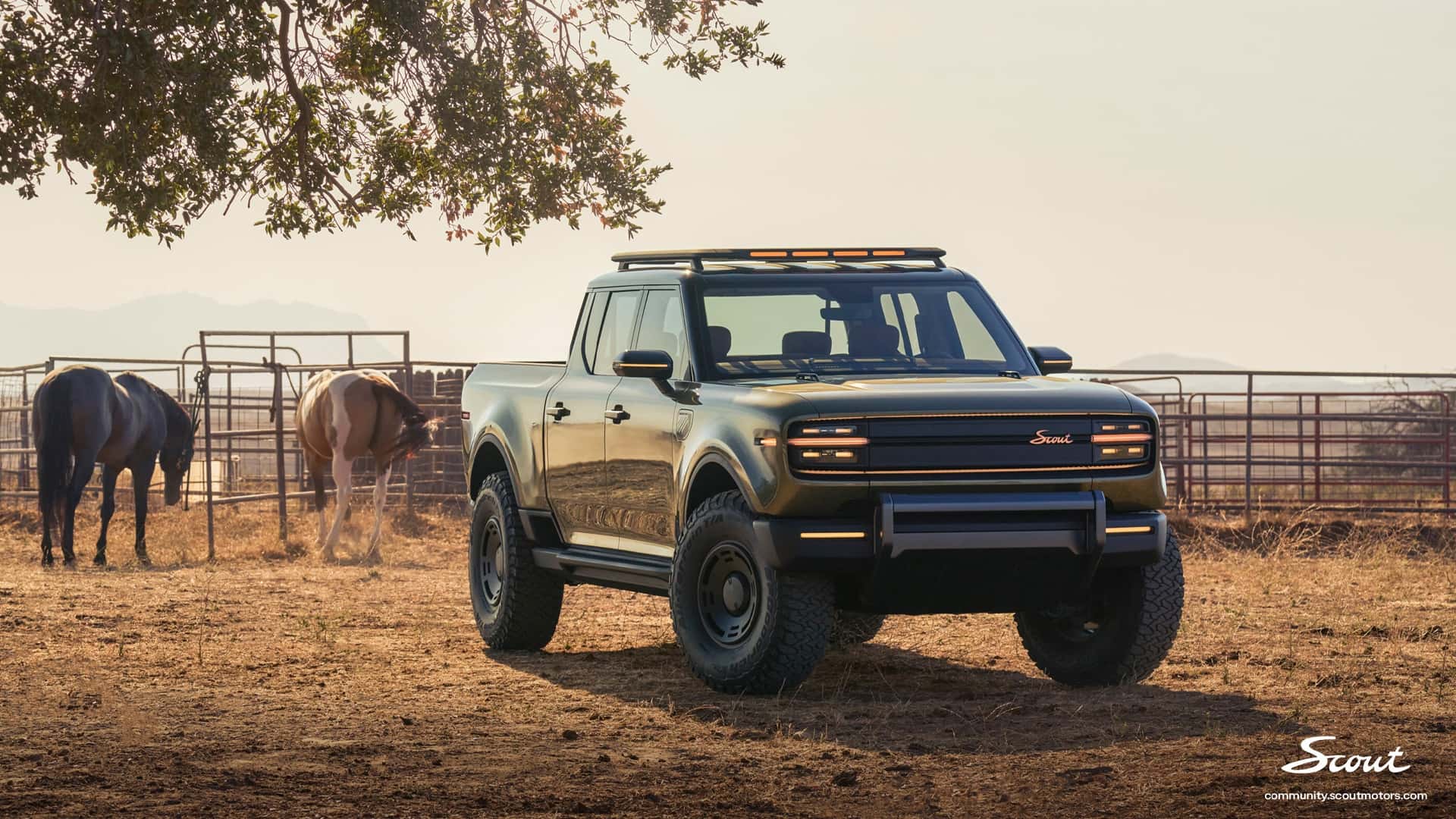
Scout Motors, the new Volkswagen Group brand gearing up to sell electric and range-extended SUVs and trucks in the U.S., is facing yet another lawsuit from dealers who take issue with its plans to sell direct-to-consumer.
This time, the fight is in Colorado, where a group comprised of more than one-third of the Volkswagen, Audi and Porsche dealers in the state have unsheathed their litigious pens to take on the manufacturer before even a single production vehicle rolled off the line. But—and here's the weird part—the dealers aren't suing Scout this time.
They're suing the state for, they allege, unlawfully granting Scout a license to sell direct-to-consumer in December.
Automotive News has the scoop on the suit:
The lawsuit, submitted Jan. 20 in Denver District Court alleges that the state’s Department of Revenue Division of Motor Vehicles incorrectly interpreted Colorado law when it found that Scout is a manufacturer of only electric vehicles and downplayed Volkswagen Group’s financial backing of the brand.
The dealers argue that Scout and its parent company, the VW Group, are one and the same. That would mean that VW is essentially competing with its own franchised dealers, and that's not legal under dealer laws.
But here's the fascinating part. Scout's decision to sell extended-range EVs—electric vehicles with gas-powered generators that feed the battery—is also at the center of the lawsuit. According to Automotive News: "The lawsuit refers to Scout’s extended-range system as a plug-in hybrid system and therefore claims that the brand does not qualify for exceptions in Colorado law which are meant for EV-only brands such as Rivian and Lucid."
Direct-to-consumer sales might be the future, but the present is full of dealerships fighting as hard as they can to maintain control. If the lawsuit succeeds, Scout's new dealer license could be invalidated—but so far, the young company has managed to avoid a negative outcome.
Its Terra pickup and Traveler SUV are set to go into production in 2027 at a new factory in South Carolina.
100%: Would You Buy (And Use) FSD If It Meant Cheaper Car Insurance?
Photo by: Tesla
In case you missed it, one insurance company is offering a hell of a deal for Tesla owners: a policy discount of up to 50%. The caveat is, of course, that they not only have to have Full Self-Driving activated, but the discount only applies to the miles driven on FSD.
Would you be willing to accept a discount on your car insurance if it means primarily having FSD engaged?
We want your opinion!
What would you like to see on Insideevs.com?
Take our 3 minute survey.
- The InsideEVs team