Women against Iran’s regime: ‘Freedom is fragile… do not take it for granted’
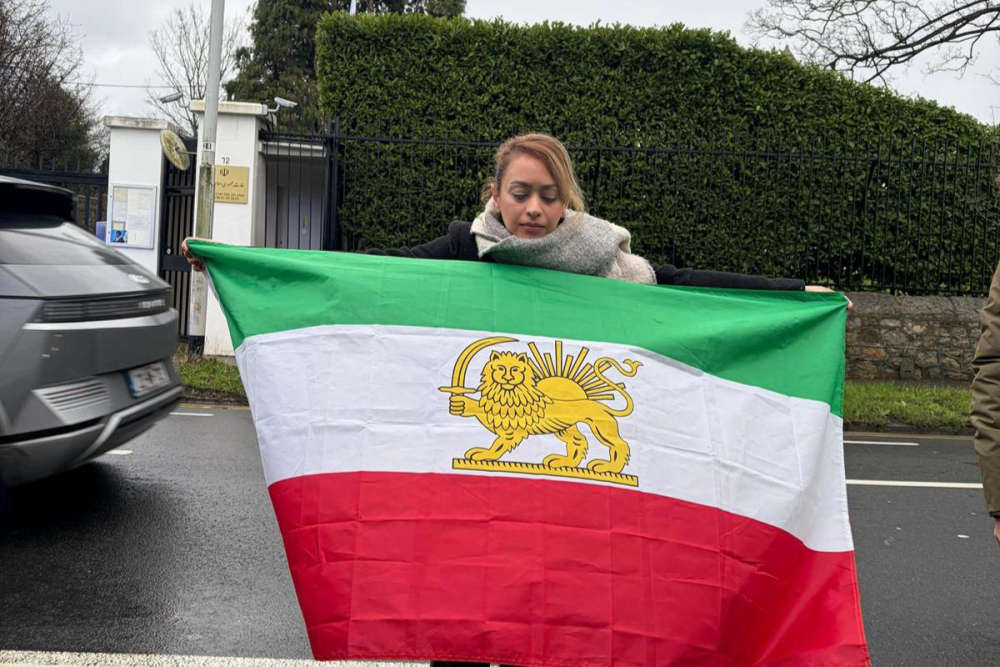
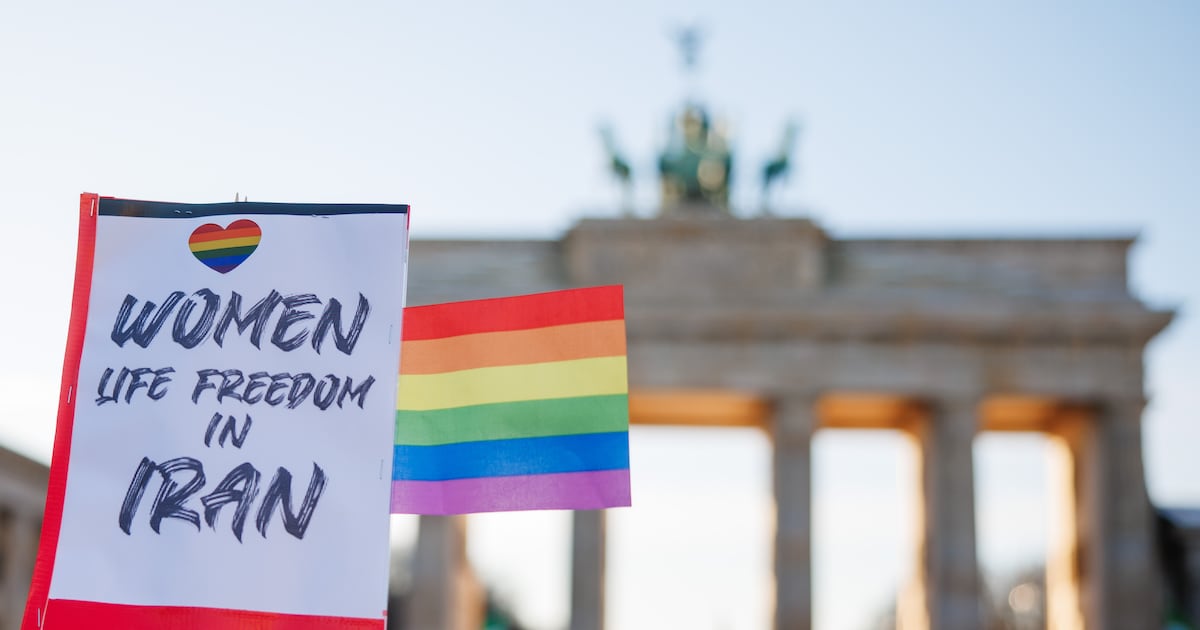
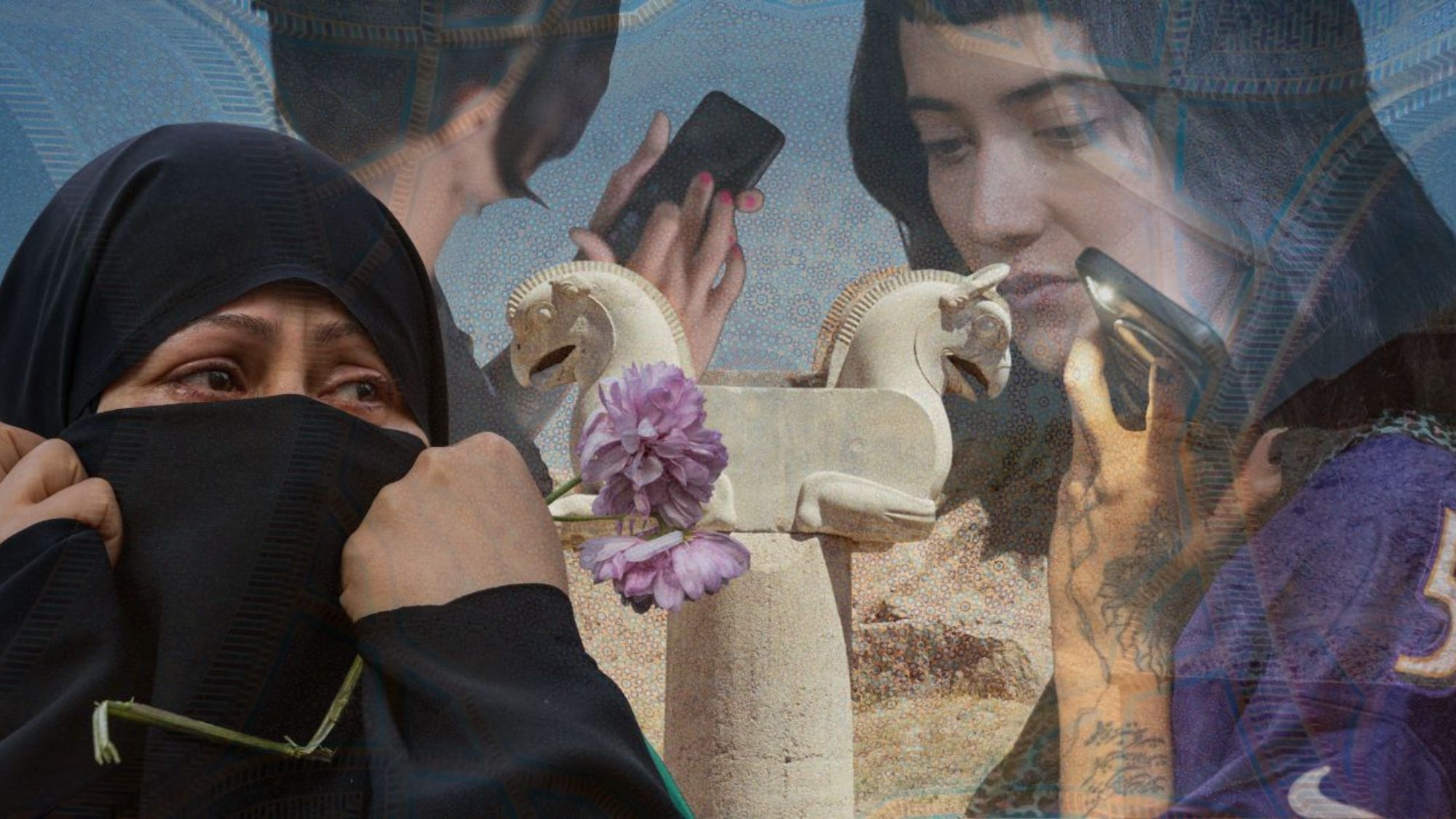
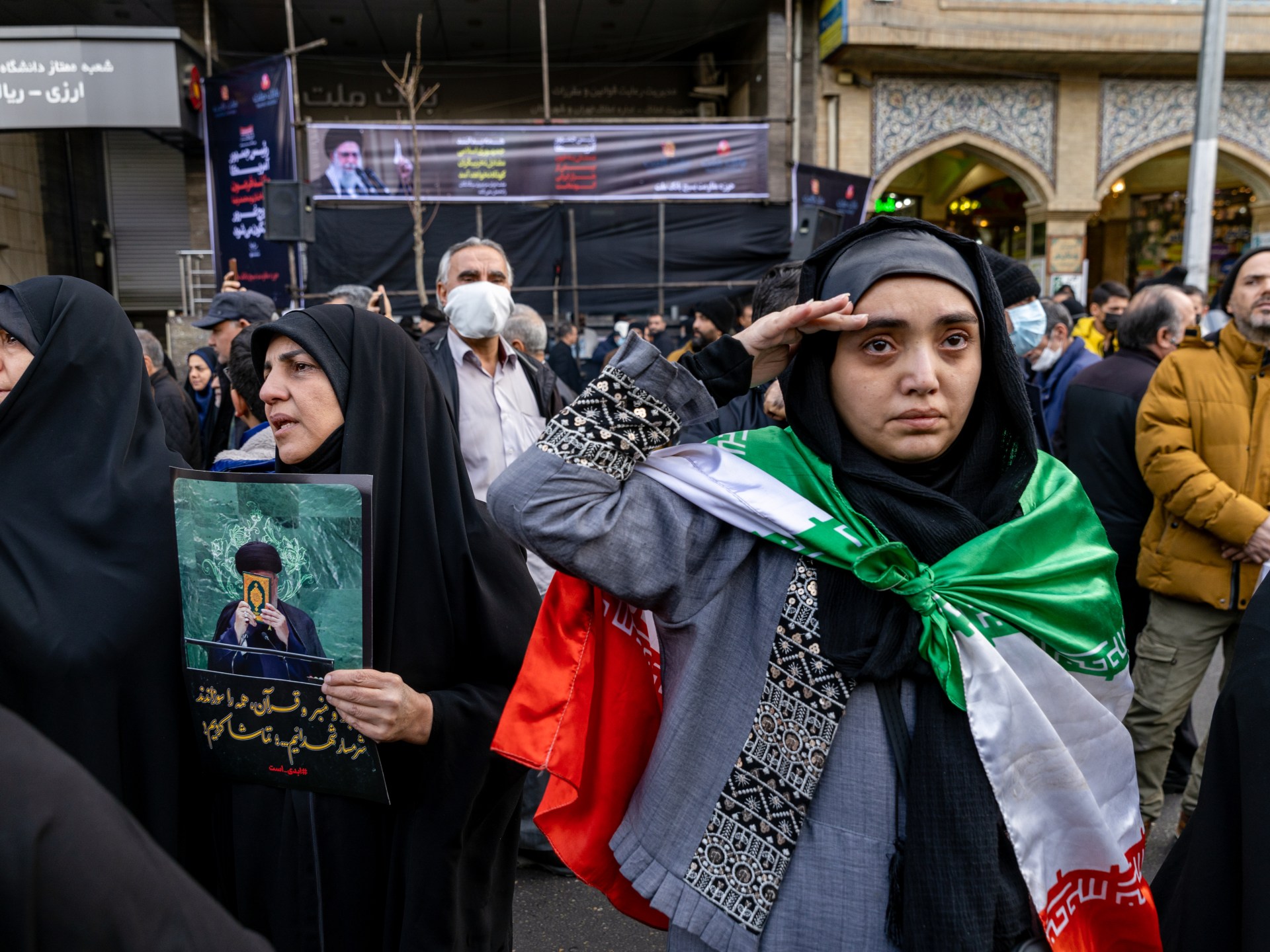
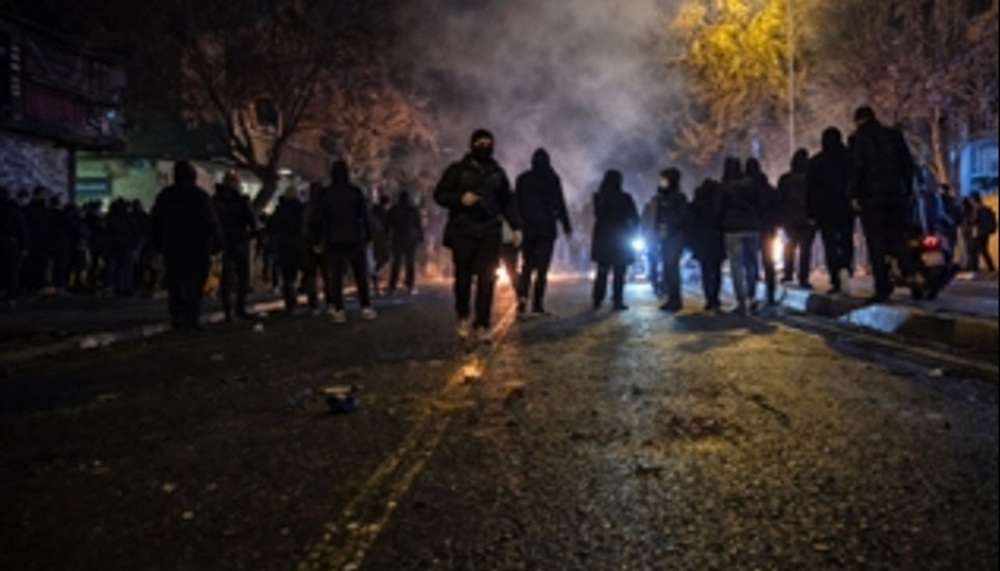
Galway-based Iranian academic Mahya Ostovar, hasn’t been able to sleep properly since anti-regime protests began in her home country more than three weeks ago. Speaking on the latest episode of The Irish Times Women’s Podcast, the 36-year-old explains, “I can’t sleep right now because I’m so afraid to be asleep the moment that Iran gets free”. The lecturer in Business Information Systems at the University of Galway has been watching the violent unrest taking place in Iran with a mixture of feelings. She feels guilty that she “isn’t doing enough” and is not there to support her fellow Iranians on the ground. She’s also cautiously hopeful that change to the country’s leadership might finally be possible. “I try to keep my hope really low because I feel that if it doesn’t happen this time, I can’t continue anymore,” she tells podcast presenter Róisín Ingle. READ MOREA home heating expert retrofits his own home: ‘There are many affordable measures you can take’Ryan Tubridy: ‘I’m a different person now to who I was a couple of years ago. I’ve evolved’‘There was blood everywhere’: Senator Pauline Tully on being brutally attacked by her husband in 2014Brianna Parkins: I hate the Dublin Bushman and his scaring of young women for moneyThe protests calling for an end to the Islamic regime - in power since 1979 - have been met by authorities with gunfire, tear gas and thousands of arrests. According to human rights agencies, more than 4500 people have been killed so far in the uprising, with some reports suggesting the death toll could be as high as 12,000. Yasaman Ranjbaran, an Iranian researcher living in Italy, who also features on this episode of The Women’s Podcast, says that Iran’s revolution and recent history should serve as a warning to western countries.“I just want to point out that freedom is very fragile. The freedom that you have here, do not take it for granted. It can be swept from under your feet sooner than you can imagine. It needs to be kept, it needs to be fought for, it needs to be cherished and acknowledged,” she says. Agreeing with Ranjbaran’s point, Ostovar adds “I sometimes see people thinking that this is never going to happen in the west - that this is not our problem, but the truth is, Iranians also thought the same thing 50 years ago.”Ostovar is referencing the Iranian revolution of 1979, before which the lives of the Iranian people were remarkably different. The country was undergoing rapid modernisation, with women especially enjoying more freedoms and opportunities. The overturning of the monarchy and the subsequent takeover by the Islamic regime saw an end to the progress. In this conversation, the pair also share their thoughts on US President Donald Trump’s response to the protests and they discuss whether he could be useful in securing Iran’s freedom. “I know Donald Trump is not the best person in the world, but we don’t have the luxury of choice,” says Ranjbaran.To listen back to this discussion with Ostovar and Ranjbaran in full, click on the player above or search The Women’s Podcast in your usual podcast app.