What TikTok's uncertain future means for creators
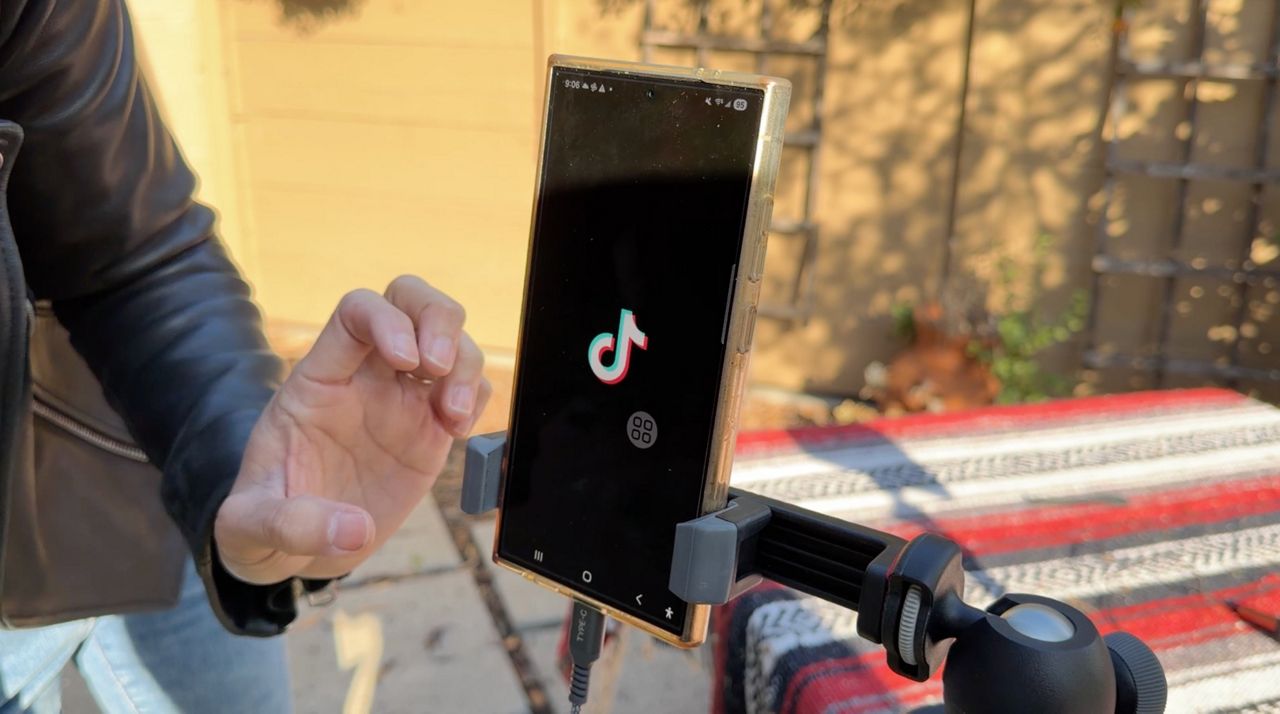
LOS ANGELES — Tiffany Yu props her phone on a tripod, adjusts the height and checks the frame before hitting record. It is a familiar routine, one she has repeated for years.
“I make disability advocacy content,” Yu said. “So, prior to becoming a content creator, I run a disability advocacy organization. And I’m now an author about disability inclusion. And so a lot of my content is around how we can improve disability allyship and bringing more people to care about accessibility and disability inclusion.”
What You Need To Know
TikTok briefly went offline last year as negotiations over its U.S. ownership intensified
A deal shifting U.S. operations to U.S. investors is expected to close this month
Experts worry the changes could affect discovery, income and reach
Creators say the platform plays a critical role in connection and advocacy
TikTok, Yu explained, helped transform how she does advocacy.
“TikTok made me a content creator, and what I mean by that is, not only did it enable me to have my advocacy reach millions of people — like, I think my most viral piece of content has 7 million views — but it also enabled me to expand my advocacy into different areas,” she said.
But the future of that platform remains uncertain. Last year, TikTok briefly shut down for part of a day in the U.S. as negotiations over its ownership played out amid national security concerns. Lawmakers passed legislation requiring TikTok’s Chinese parent company, ByteDance, to divest. A deal that would shift U.S. operations to U.S. investors, including Oracle, is expected to close this month — though details about how the platform may change are still unclear.
For creators like Yu, the uncertainty is not just about the app itself.
"When we are counted out of so many traditional workplaces due to bias and discrimination, we can become our own creative entrepreneurs by creating content, you know, taking advantage of brand deals or affiliate partnerships," said Yu. "I am also afraid that if TikTok does go away, I will automatically lose more than half of my following."
For digital culture expert Shira Lazar, any shift in how TikTok operates could reshape the creator economy.
“If there's going to be new policies with how they're moderating content and protections around hate speech and what it means around free speech," she said. "These are big debates in the creator community and on platforms that impacts creators."
These unknowns have already prompted many creators to rethink how they use social media.
"A lot of people started diversifying their content, hosting their content on other platforms, and that is really key," said Lazar. "When you have a platform that you rely on so much that is unstable and is just uncertain, you don’t want to rely heavily on that platform."
But Lazar is confident TikTok won't go dark again.
"We don't need to worry about TikTok going away again. I don't think so," she said. "All of us rely on it too much. It contributes to too much of the economy, especially here in the U.S."
And Yu hopes this will be the case.
"As a disabled creator, these social platforms are where we go to find connection and community, and create really meaningful online friendships with each other," she said.