How the actions of two passionate sisters have helped hundreds of missing people
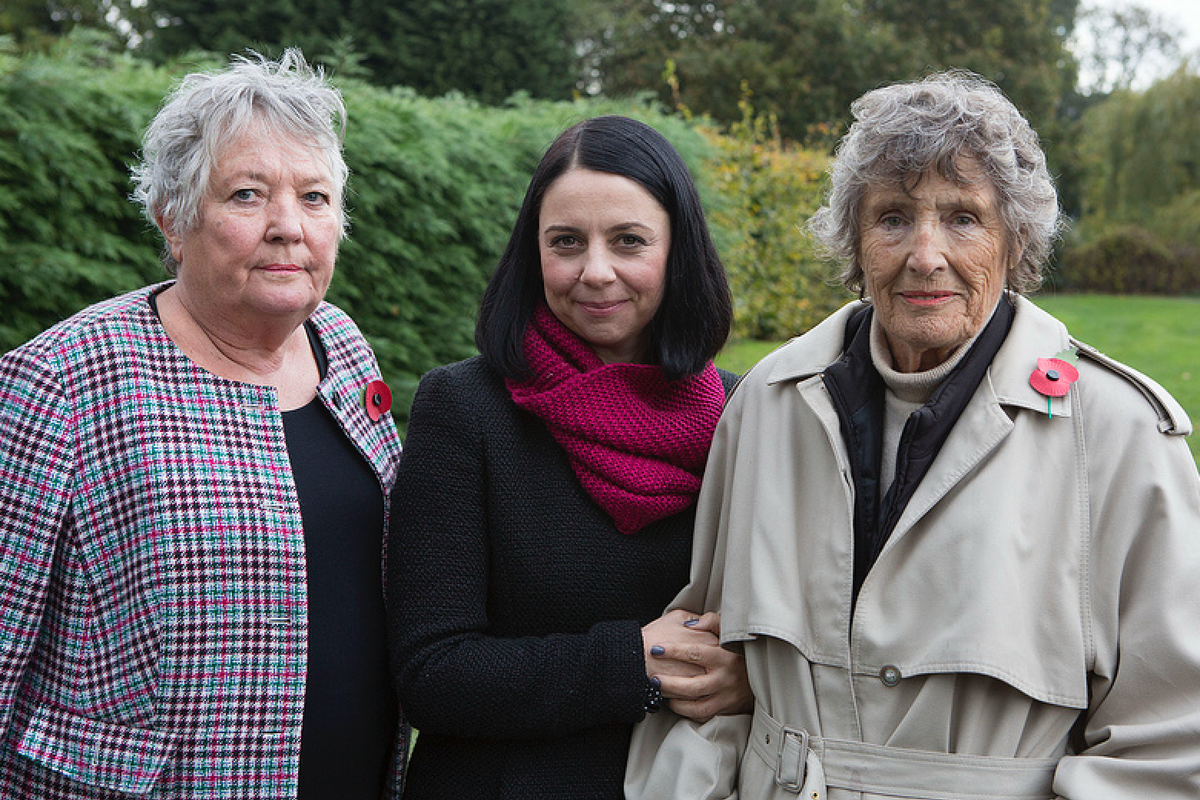
Get the free Morning Headlines email for news from our reporters across the worldSign up to our free Morning Headlines emailSign up to our free Morning Headlines emailWhen Mary Asprey and Janet Newman saw a need going unmet in Britain, they did not wait for permission to act. They begged, borrowed and pushed every door they could find, determined to fill a void few others were even acknowledging.The sisters’ persistence would go on to help hundreds of missing people and their families, shaping a legacy that still underpins support services today. But it began in grief.Devastated by the disappearance of family friend and estate agent Suzy Lamplugh in 1986, Mary and Janet were struck by how little help existed for those left behind. While the nation searched for Suzy, no one was looking after the people sitting at home, waiting beside an empty chair.Ordinary housewives from East Sheen in south-west London, the sisters recognised something fundamental: that a disappearance is not only a police matter, but a human crisis. And if no one else was going to respond to it, they would.open image in galleryMary Asprey (left), Missing People CEO Jo Youle (centre), and Janet Newman (right) (Missing People)So the two sisters decided to set up the National Missing Persons Helpline from the back bedroom of Janet’s tiny flat. The 24/7 helpline quickly became inundated with calls from others affected by someone’s disappearance, or by those missing themselves. As volunteering increased and demand grew, the office moved to a donated basement in Richmond, and the helpline was placed in every phone box across the country. Now with a workforce of 92, Missing People has made significant strides, helping 10,000 people connected to such cases just last year. The charity does not record the exact number of missing people who are helped directly.As The Independent has raised £165,000 to launch SafeCall – a free new service to help missing children find support and safety no matter what – and continues to raise more, we tell the story of how Mary and Janet came to launch the charity. Donate here or text SAFE to 70577 to give £10 to Missing People – enough for one child to get help.open image in galleryPrincess Diana visited the charity in 1993 (Missing People)Sash Newman, Janet’s daughter, described the pair as “tour de forces”. She told The Independent: “They were always tremendous fun to be with and they would be the life and soul of any gathering that you went to, but they never lost their eye on what they were actually trying to achieve. They never lost the ball at all.” In April 1993, Mary and Janet re-mortgaged their homes and registered the National Missing Persons Helpline as a charity, later renamed Missing People. Sash recalled a visit from Princess Diana that same year.Ross Miller, Missing People’s fundraising and communication director, said one of the charity’s biggest achievements was making people realise that somebody going missing is a crisis, which wasn’t understood by many people in the 1980s. He said the charity has also helped shift the way in which police responded to a disappearance and changed the belief that if someone went missing, there wasn’t much the police could do.open image in galleryMary, pictured, and Janet’s legacy has been described by the charity as one of heart (Missing People)“Without the charity, I think there would be no sense that in that toughest moment, whether you're the missing person or somebody that misses them, that there is a space for you to come to for dedicated support and advice specific to your situation,” Ross explained.It is a crucial moment right now for the charity as the UK sees high suicide rates, as well as many young people being sexually and criminally exploited, Ross said. He added: “We are at a really critical moment of asking, ‘How do we ensure that the charity can be there for more people affected?’”The charity’s founders, Janet and Mary, died in 2016 and 2021 respectively. “I think the legacy that Janet and Mary and all of those volunteers from the early days is one of heart,” said Ross. “They have set up a safe space for people to come to for care, for understanding, non-judgmental support and that is so crucial if we're going to solve some of these disappearances and help people to return in a safe way.”Please donate now to The Independent and Missing People’s SafeCall campaign, which has raised £165,000 to create a free, nationwide service helping vulnerable children find safety and support.For advice, support and options if you or someone you love goes missing, text or call the charity Missing People on 116 000. It’s free, confidential and non-judgemental. Or visit missingpeople.org.uk/get-helpIf you are experiencing feelings of distress and isolation, or are struggling to cope, The Samaritans offer support; you can speak to someone for free over the phone, in confidence, on 116 123 (UK and ROI), email jo@samaritans.org, or visit the Samaritans website to find details of your nearest branch.