Exiled Iranian women in Germany: 'All that remains is rage!'
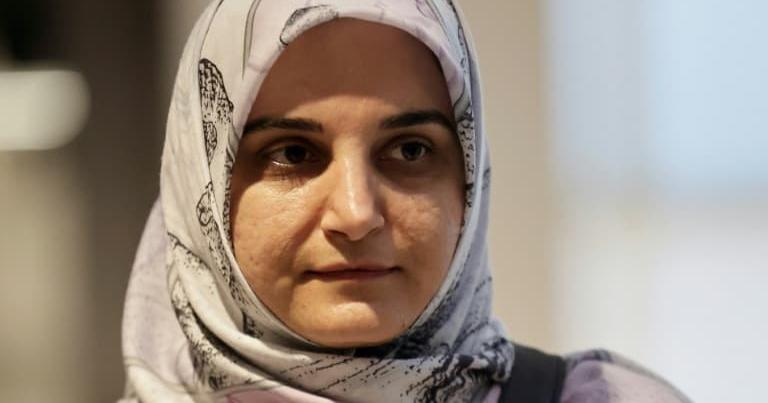
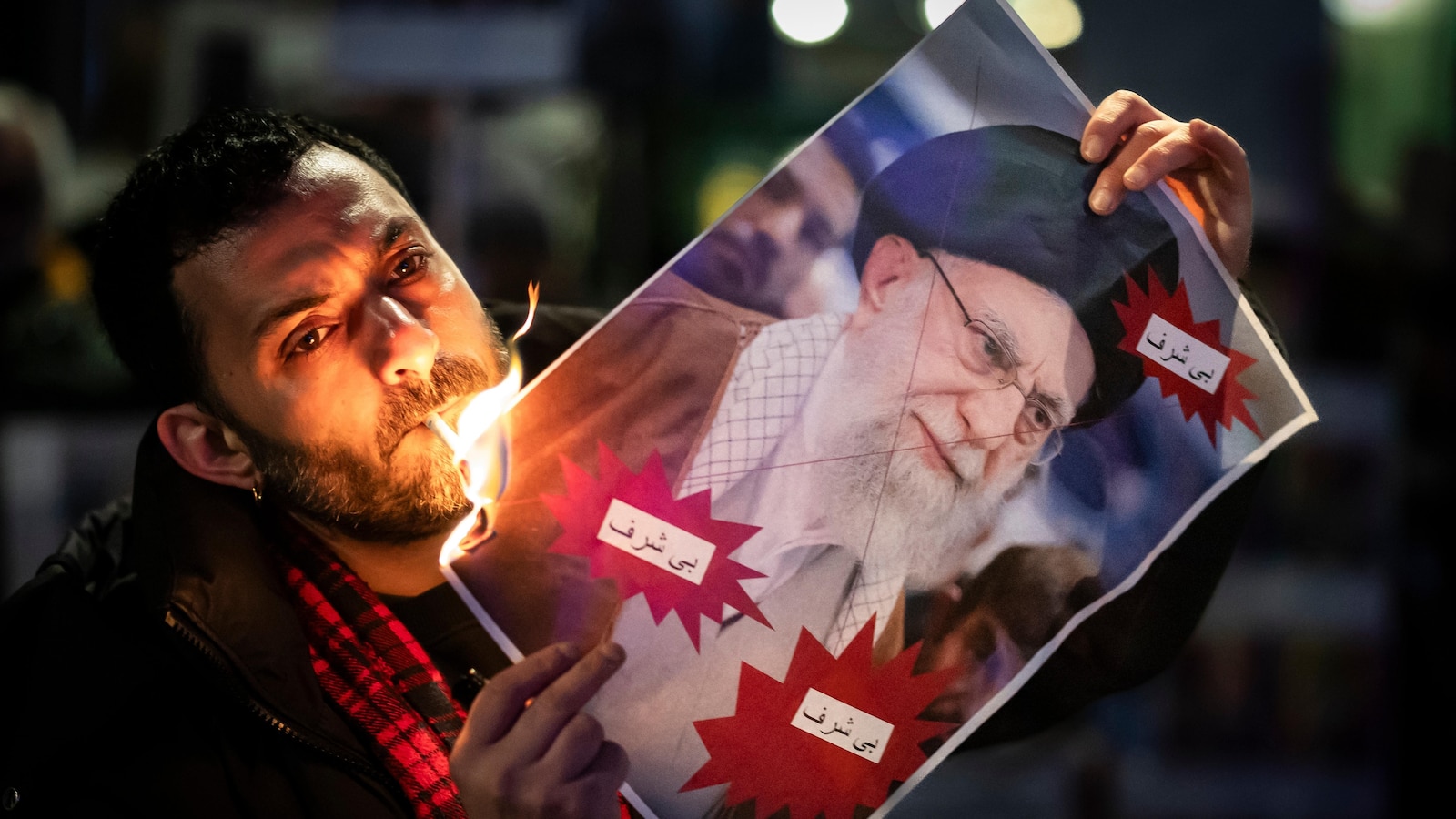
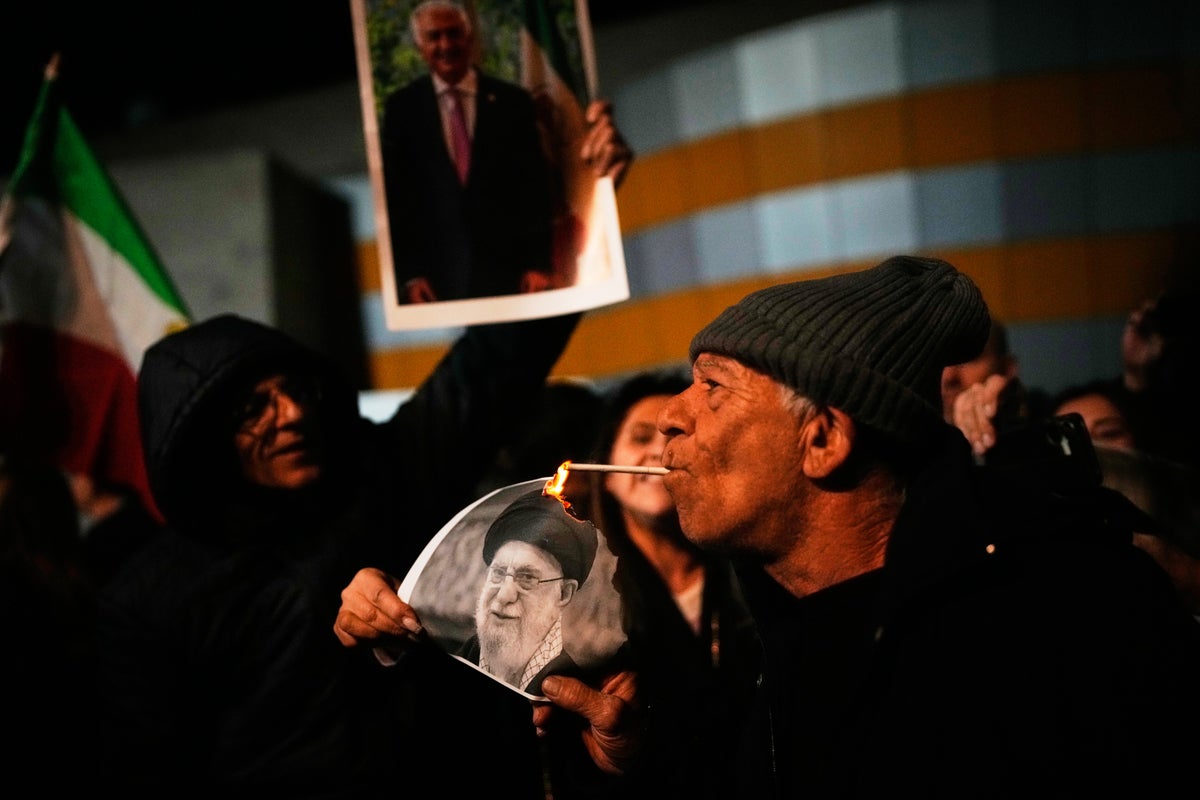
At some point, says Ati (we are using a pseudonym to protect her identity), it becomes impossible to remain on the sidelines. The young molecular medicine researcher fled Iran ten years ago with only a suitcase and a laptop. Today, in her new home of Bonn, Germany, she channels that experience into organizing protests and speaking out publicly against the regime.
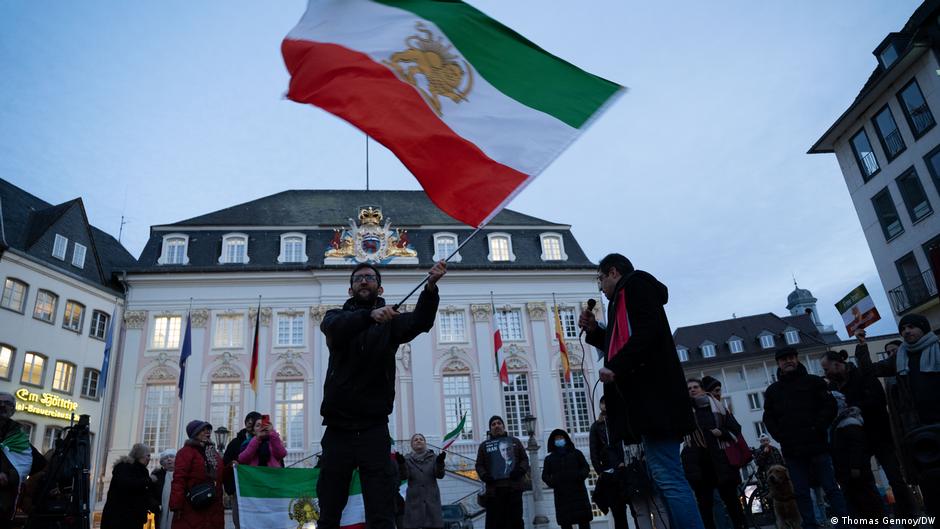
"This mullah regime is not legitimate — it has never been legitimate — when it wages war against its own people!" she tells the crowd at a rally in Bonn's city center, prompting a wave of thunderous applause.
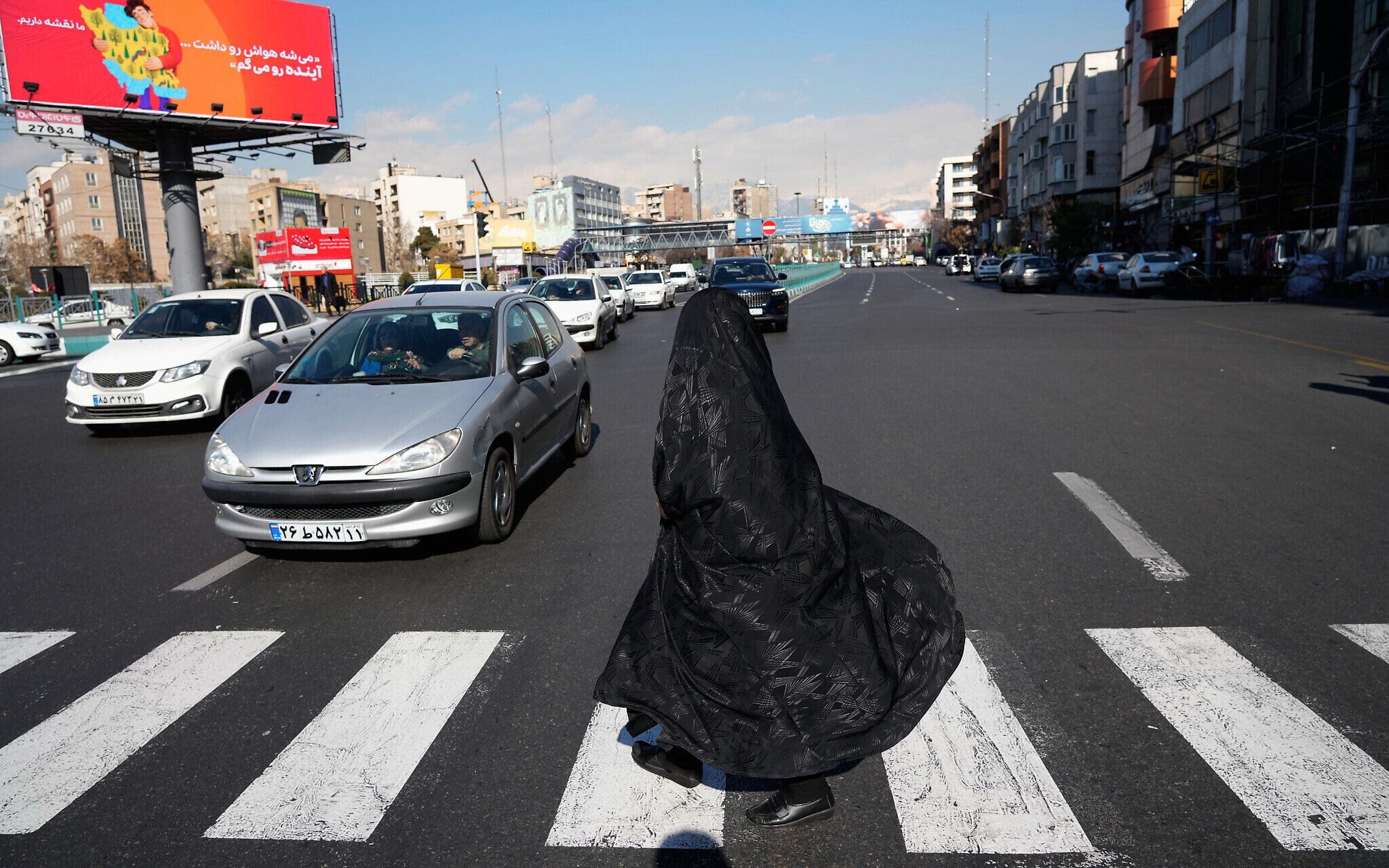
The following day, she awakens after a sleepless night, shivering with chills. Many Iranians in exile experience the same reaction as they confront the regime's unrestrained brutality and the thousands killed in the protests — a burden that pushes them to their emotional and physical limits. Desperately, Ati tries to reach her relatives and friends by phone and social media — a near-impossible task under the government‑imposed communications blackout.
Ati tells DW that this has had fatal consequences for the country's health sector. "Communication between hospitals has also been cut off. That means people are dying because they cannot receive care quickly enough." The mullah regime, she adds, is also violently cracking down on medical volunteers. "We hear that doctors who go to treat the injured in their homes are being arrested — and even killed."
She reports that the Iranian government is even using ambulances as a cover to detain protesters. She wishes she could discuss all of this with her father and brother. However, both support the regime, and she has had no contact with them for years. That is not uncommon: in many Iranian families, the divide runs straight through the household.
For Ati, though, that is no reason to stop. If anything, it strengthens her resolve to keep taking to the streets in Germany in the coming weeks. "A part of me is still in Iran," she says through tears. "A piece of me remained there — and that piece is now burning, it is being killed. However from here in Germany, I want to keep fighting for a free and peaceful world, and against violent Islamists."
How the Iranian regime is framing the nationwide protests
Feeling of despair and powerlessness in exile
Thirty kilometers away, Mojdeh Noorzad pauses during her lunch break at her Cologne pharmacy to speak with us. She took over the business seven years ago. As a young woman and political activist, she was persecuted in Iran and fled to Germany in 1984. These days, running the pharmacy simply means getting through the day: her thoughts are with the courageous protesters and with her three sisters who are still in Iran.
"I have had no contact for a week now. Not with any of my three sisters, or with my husband's relatives. I still have many friends and acquaintances in Iran, but I have no idea how they are doing." Noorzad describes the sense of helplessness felt by many Iranians in exile in Germany, 5,000 kilometers from home. "We feel desperate and powerless. It's difficult to watch it all from here."
In Iran, poverty, lack of prospects, and repression are driving people onto the streets. Iranians simply cannot go on. Noorzad says that is what sets the current uprising apart from many previous demonstrations. She points to the example of an Iranian woman whose cry for help is now going viral around the world. "She says: 'I haven't really lived for 47 years. I'm already dead. If they shoot me, let them — it makes no difference. That was not a life.'"
Mojdeh Noorzad doubts that the mullah regime will fall now — Iranians are being forced to fight with their bare hands against a heavily armed state. Yet she has not given up hope for a free, equal, and democratic Iran — without an Islamic government. Asked what she would do first if she returned to Iran after 42 years in exile, she says: "Visit the graves of my parents and of the many friends who were killed."Exiled Iranian women Hellen Nosrat, Mina Ahadi, and Rosa Franke hope for a swift end to the mullah regimeImage: Oliver Pieper/DW
Anger at the murderous regime, and an appeal to Friedrich Merz
Hellen Nosrat, Rosa Franke, and Mina Ahadi, too, have been unable to return to Iran for decades. As outspoken critics of the regime, they were forced to flee their homeland. Their stories are compelling and continue to fuel their determination to oppose the religious dictatorship from afar. Nosrat survived a perilous escape with her five‑year‑old daughter and three‑year‑old niece; Franke spent three years in Tehran's notorious Evin Prison; and Ahadi was sentenced to death in absentia after her husband was executed.
For years, they have met in a Cologne café to plan demonstrations against human rights abuses in Iran. "I'm thinking about how we've been coming to this café for more than 20 years, and how much we've set in motion — on issues like stoning and the death penalty," Ahadi tells DW. "In the past, we were always hopeful. Now there is only rage at this murderous regime. It has to go."
Rosa Franke recounts her most recent conversation with her niece, who lives in Tehran. "This is worse than war," her niece told her, shaken. Militias were seizing protesters of all ages — even children and the elderly. "She began to cry and said, 'Auntie, we need support from abroad. Everyone here is terrified. The Revolutionary Guards are now on the streets — they've killed everyone.'"
Giving up has never been an option for these three women. On Saturday, they will once again raise their voices against the despised mullah regime at a major demonstration planned in Cologne. They also intend to appeal to Chancellor Friedrich Merz's government to do more than it has so far. Hellen Nosrat says: "Germany needs its own policy on Iran, independent of the United States; it must defend democracy in Iran."
This article was originally written in German.
While you're here: Every Tuesday, DW editors round up what is happening in German politics and society. You can sign up here for the weekly email newsletter, Berlin Briefing.