US Supreme Court weighs in on transgender athlete bans
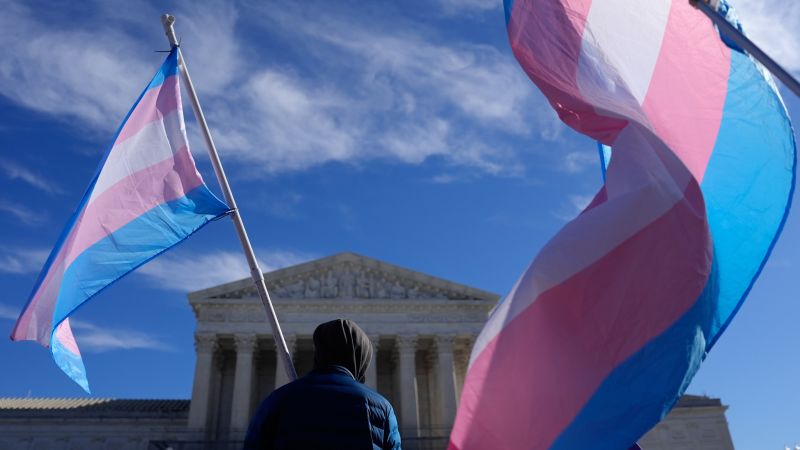
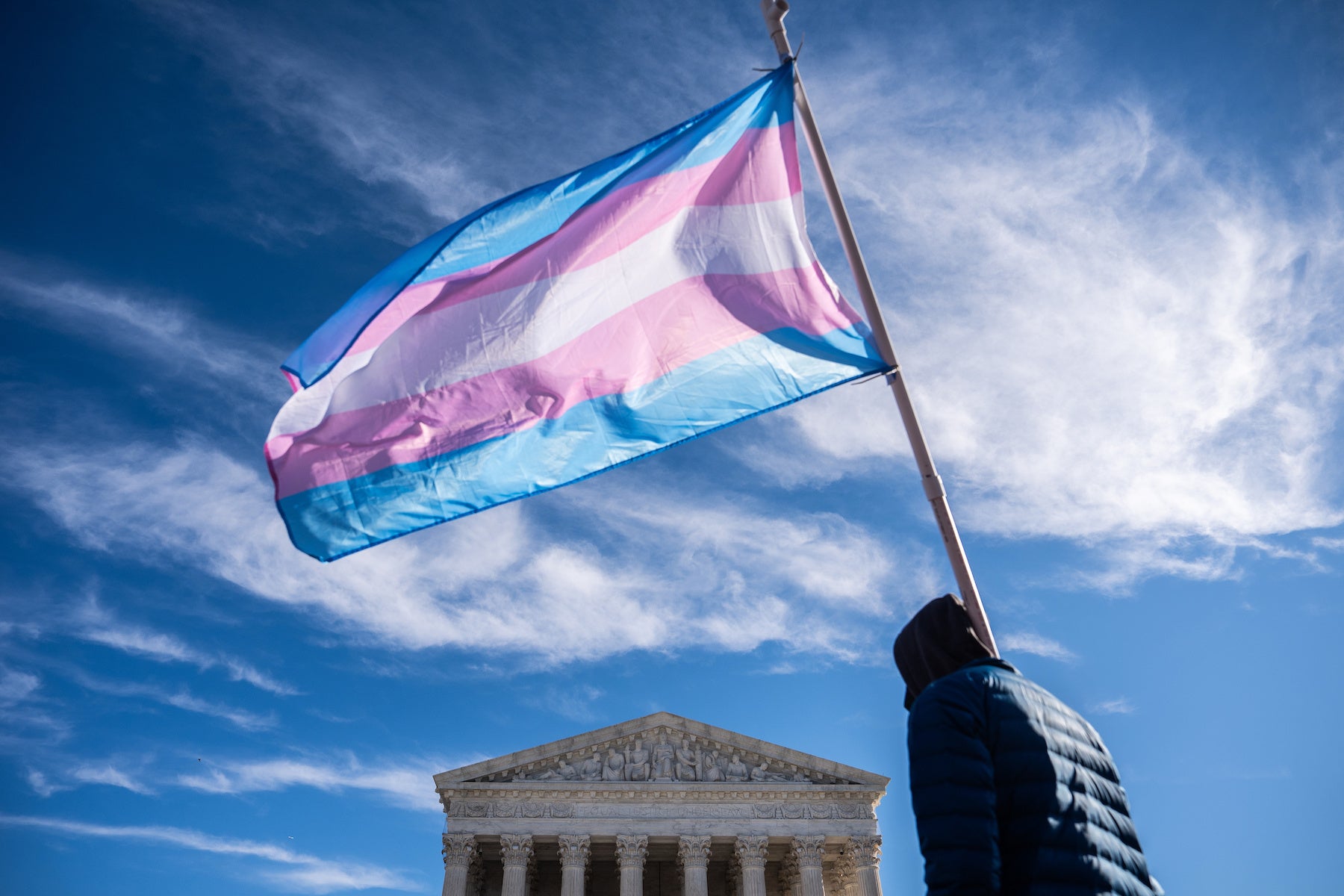
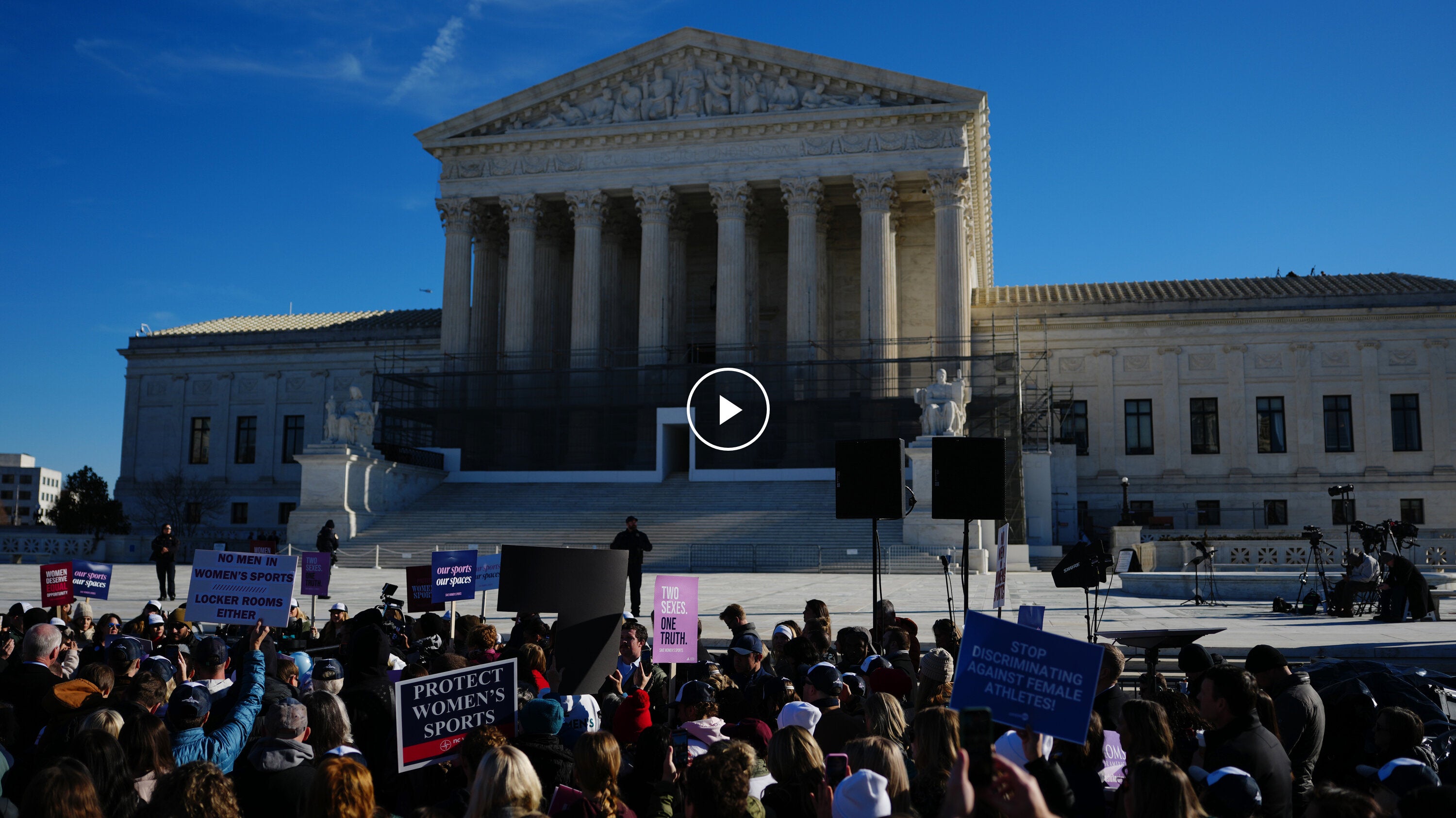
Tuesday, the U.S. Supreme Court is weighing whether state laws can bar transgender students from participating in girls’ and women’s sports. The justices are hearing oral arguments from two cases challenging such bans from Idaho and West Virginia. These issues have become a lightning rod in recent years and hotly debated. More than two dozen states now have laws or policies restricting transgender student athletes from joining teams that don’t match their sex at birth.
The two cases before the Court are Little v. Hecox and West Virginia v. B.P.J. In Little v. Hecox, a transgender woman, who attended Boise State University, challenged Idaho’s law prohibiting transgender women from competing on girls’ and women’s teams at public schools. They argue this violates the equal protection clause of the Fourteenth Amendment.
In West Virginia v. B.P.J., a transgender girl is challenging a state law that also limits participation based on sex at birth. B.P.J., as she is identified in the case, wants to join the women’s track and field team and argues that blocking her violates Title IX, which bars sex discrimination in education.
This episode, we’ll look at the constitutional questions these cases raise and discuss the legal arguments and stakes for both sides.
We’ll also preview other major cases on the Court’s docket this term. Guests:
Kate Shaw, professor of law at the University of Pennsylvania
Michael Moreland, professor of law and religion at Villanova University