Continued COVID Management for Immunosuppressed Patients
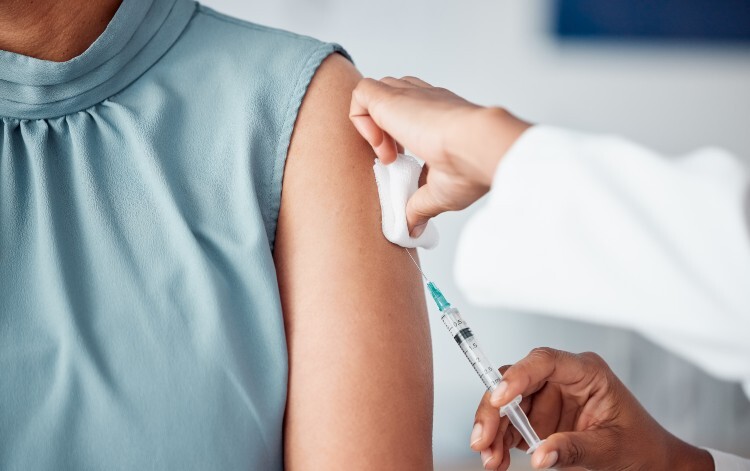
By Cassandra Calabrese, DOAt the end of 2023, the U.S. Centers for Disease Control and Prevention estimated that 87% of the U.S. population age 16 and older had infection-produced seroprevalence of SARS-CoV-2, and nearly 99% had combination infection- and vaccine-produced seroprevalence. The following January, the World Health Organization declared that COVID no longer presented a pandemic-level threat, and that overall COVID-19 morbidity and mortality had significantly decreased.These and other changes in the COVID landscape have precipitated a perceived reduction in the dangers associated with infection. However, people with certain conditions remain at high risk for serious illness from COVID-19, especially those being treated with B-cell-depleting therapies (BCDT) for rheumatologic and other immune-mediated diseases.At Cleveland Clinic, research on COVID-19, including how certain drug therapies affect protections against the virus, has been ongoing since the start of the pandemic. We know that members of select patient populations require continued vigilance and counseling, benefit from early administration of antiviral drugs, and may be appropriate candidates for pre-exposure prophylaxis (PrEP).Since the start of the pandemic, data have shown that patients on B-cell-depleting drugs have very high risk of hospitalization and death. Even with Omicron variants, which have been generally associated with milder symptoms, we continue to see this patient population disproportionately affected by severe infection. This vulnerable group is likely to continue to need extra support for the foreseeable future. Information and patient counselingFor more than 25 years, BCDT has been shown to effectively reduce auto-antibody response and associated inflammation at the core of rheumatologic disease, but the mechanism that enables symptom abatement also reduces natural immunity and blunts COVID vaccine response. For practitioners caring for patients receiving BCDT, it is essential to stay current on COVID infection trends and recommendations for antivirals and PrEP, and to share information with patients. Patients need to know they are still vulnerable and at risk for being hospitalized and at an increased risk of death. We advise patients on BCDT to be cautious when they're around someone who’s sick, consider wearing a mask on an airplane or in crowds, and — most importantly — to call us when they aren’t feeling well so we can counsel them on testing and treatments.Our team recently published research on the effectiveness of outpatient antiviral therapy for patients with immune-mediated diseases who are on B-cell-depleting agents. We show that treatment with nirmatrelvir/ritonavir was associated with lower rates of hospitalization and death from the COVID-19 Omicron variant in this population specifically, reinforcing the importance of triaging these patients for treatment.Further, we guide BCDT patients on whether and when to receive the COVID vaccine and/or boosters. Although BCDT blunts vaccine response, the vaccine offers some protection. Timing vaccine administration to occur as long as possible after the most recent rituximab dose and two to four weeks before the next dose is ideal for best vaccine response. A word about PrEP The U.S. Food and Drug Administration has extended Emergency Use Authorization for pemivibart (Pemgarda®), COVID-19 pre-exposure PrEP, for individuals at high risk of developing serious illness. At Cleveland Clinic, we counsel high-risk patients, most notably B-cell-depleted patients, and refer them to receive PrEP.