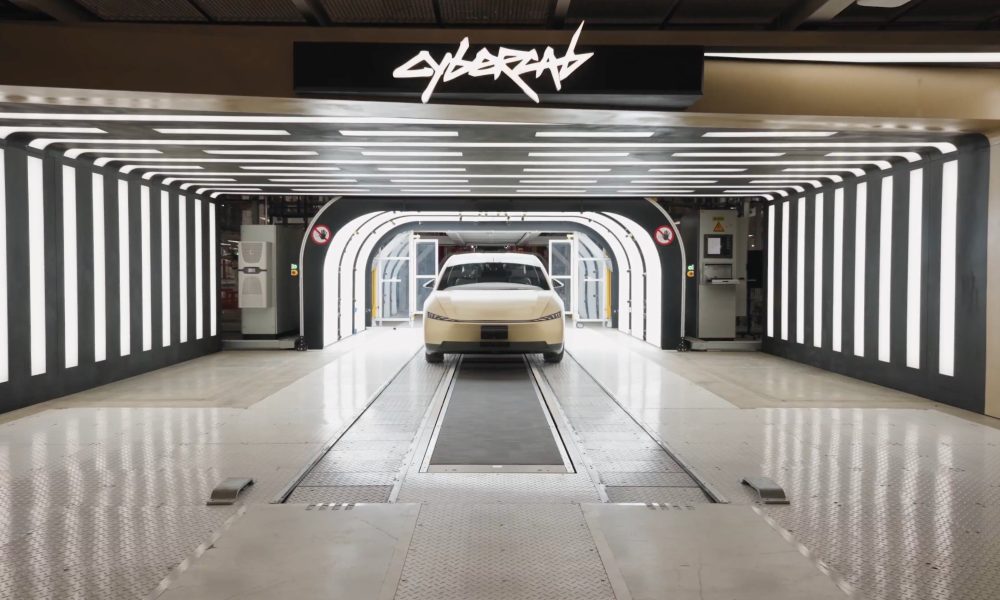
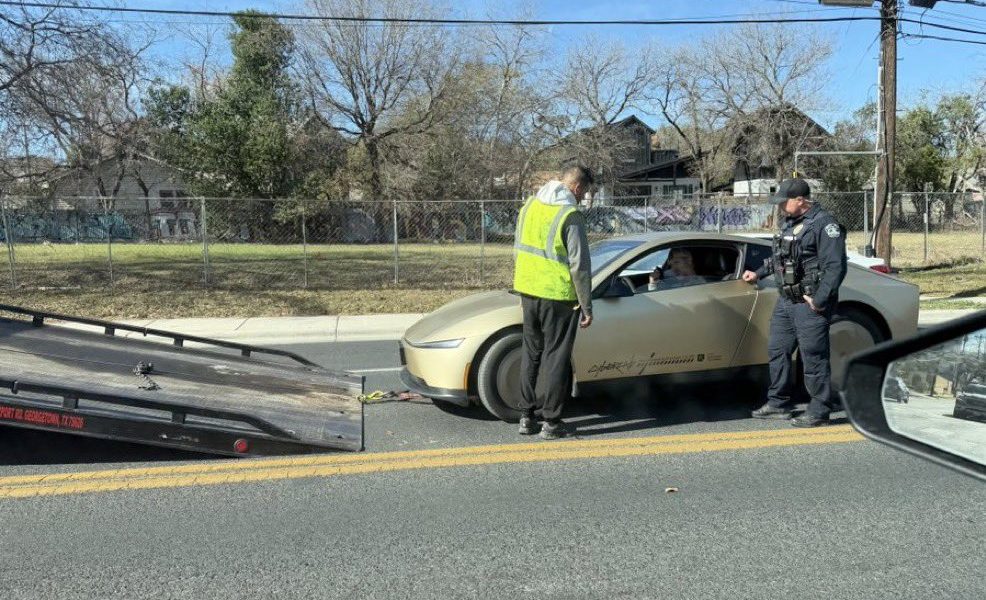
Tesla Robovan’s likely first real-world use teased by Boring Company President
The Boring Company President Steve Davis has shared the most likely first real-world use for Tesla’s Robovan.
As per the executive, the vehicle will be used to move large crowds through Las Vegas during major events.
Tesla Robovan for high-demand events
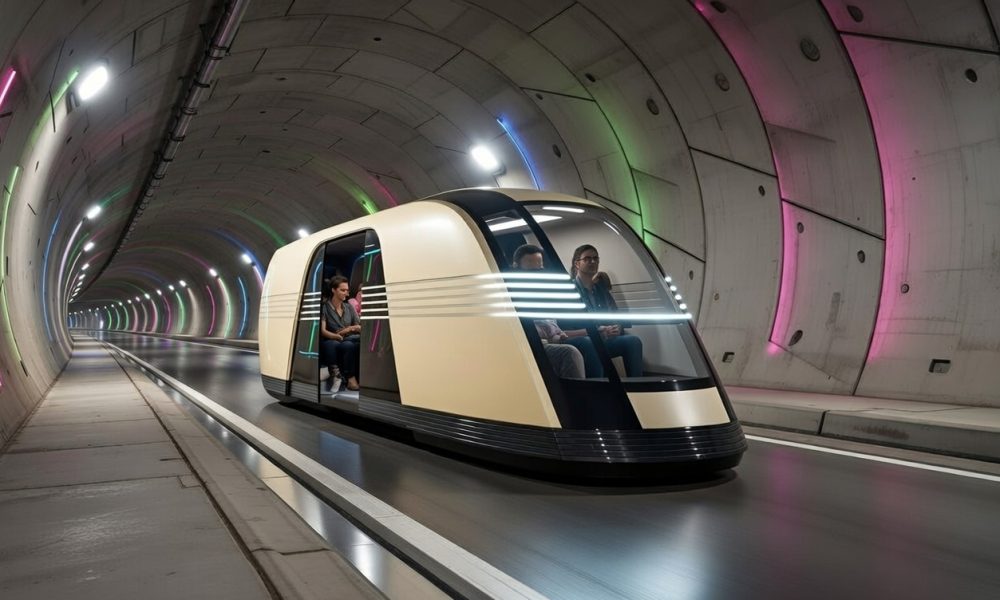
During a feature with the Las Vegas Review-Journal, Boring Company President Steve Davis stated that the Tesla Robovan will be used in Sin City once the Vegas Loop expands across the Strip and downtown and the fleet grows to about 1,200 Teslas.
At that scale, Robovans would primarily be deployed during predictable surges, such as game days and large shows, when many riders are traveling to the same destination at the same time.
“The second you have four (passengers) and you have to start stopping, the best thing you can do is put your smallest vehicle in, which is a car. But if you know people are going to the stadium because of a game, you’ll know an hour before, two hours before, that a lot of people are going to a game or a Sphere show, if you are smart about it, that’s when you put a high occupancy vehicle in, that’s when you put the Robovan in,” Davis said.
Credit: Tesla
Vegas Loop expansion
Steve Davis’s Robovan comment comes amid The Boring Company’s efforts to expand the Vegas Loop’s airport service. Phase 1 of rides to Harry Reid International Airport began last month, allowing passengers to travel from existing Loop stations such as Resorts World, Encore, Westgate, and the Las Vegas Convention Center.
Phase 2 will add a 2.2-mile dual-direction tunnel from Westgate to Paradise Road. That section is expected to open within months and will allow speeds of up to 60 mph on parts of the route, while expanding the fleet to around 160 vehicles.
Future phases are expected to extend tunnels closer to airport terminals and add multiple stations along University Center Drive. At this point, the system’s fleet is expected to grow close to 300 Teslas. The final phase, an underground airport station, was described by Davis as the system’s “holy grail.” This, however, has no definite timeframe as of yet.