Wallpaper* Design Awards: cult London fashion store Jake’s is our ‘Best Retail Therapy’
On 3 January 1993, British artists Tracey Emin and Sarah Lucas opened The Shop in a former doctor’s surgery in London’s Bethnal Green. The pair – who had recently graduated from Goldsmith’s University – played shopkeepers, selling T-shirts daubed with slogans like ‘Complete Arsehole’ and ‘She’s Kebab’ alongside their own works. Prices were often chosen to be the exact price of a packet of cigarettes, and stock would sell out daily. Six months later, on 3 July (Emin’s 30th birthday), it closed its doors. ‘Politically, The Shop was a reflection of the times,’ Emin later told The Guardian. ‘Everyone was so anally retentive – me and Sarah were the antithesis of that.’British fashion designer Jake Burt, one half of London-based label Stefan Cooke, remembers coming across The Shop in his parents’ newspaper while he was growing up in Somerset. ‘I read about it and got completely obsessed,’ he recalls, citing it as the starting point for his own shop, Jake’s, which takes a similarly irreverent approach to retail. Opened in late November 2024 in Old Street in east London, the store comprises an energetic curation of pieces, from one-off garments pieced together from deadstock fabric to key chains and charms. It’s as much a hangout as a store, and each Saturday, friends and customers come to chat, drink free coffee and eat the latest pastel-coloured confections made by pastry chef-cum-model Louis Thompson – memorably, an enormous cherry and almond cake to celebrate the launch of Stefan Cooke’s A/W 2025 collection.
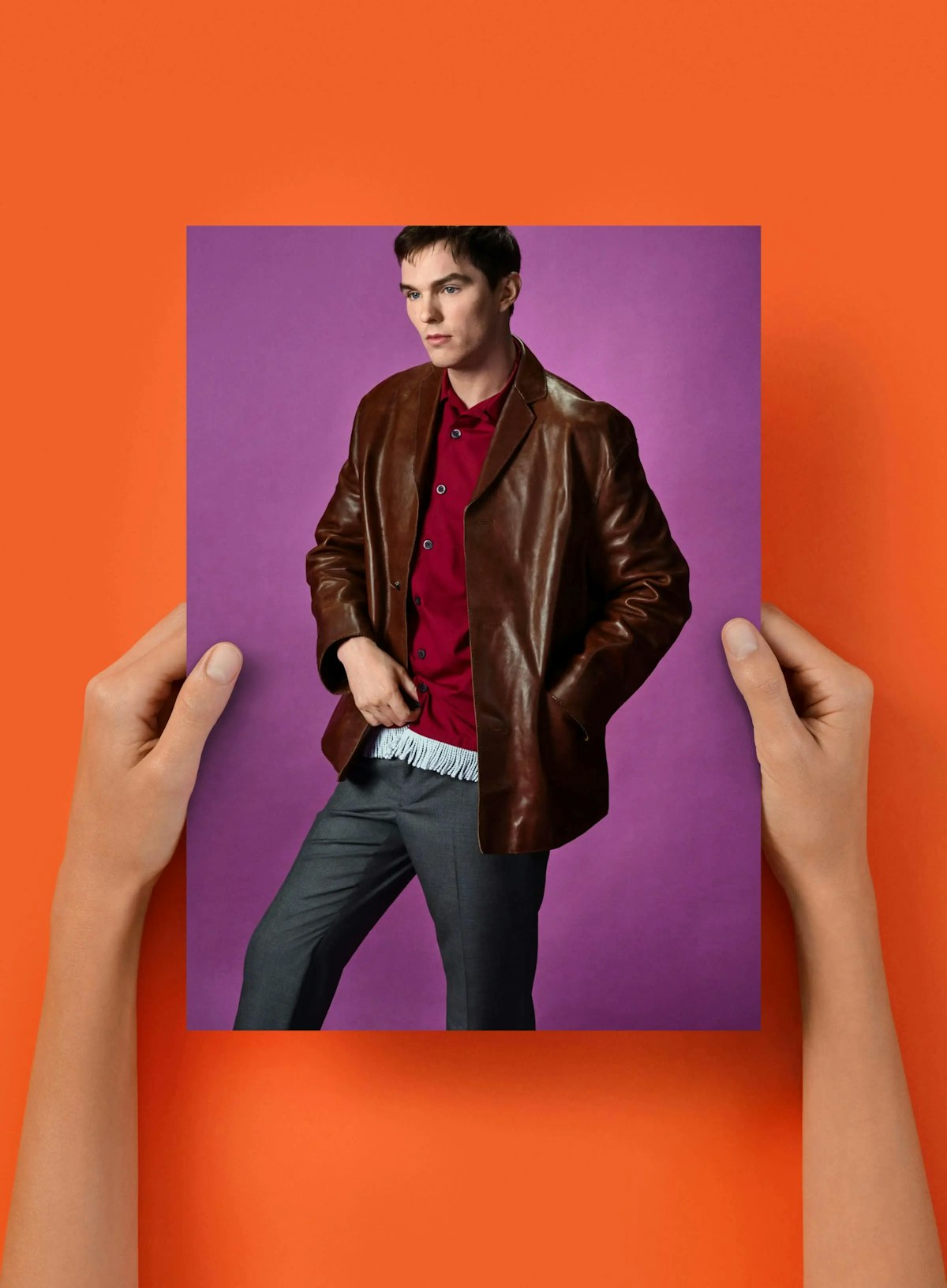
(Image credit: Photography by Joshua Sneade)Jake’s has enjoyed cult success since opening – so much so that the store has had pop-ups in New York and Japan. The latter proved a full-circle moment: it was while exploring the stores of Kōenji, Tokyo, in the summer of 2024 that Burt found inspiration for Jake’s in the area’s niche fashion stores, like Doma Building. ‘I like how people do retail there – it’s rare now for something to be indescribable via social media or online, but that’s what they are,’ he says. ‘You go in and you are like: well, there’s no way you can capture this with photos, you just have to go there to experience it.’ In December, he hosted his third pop-up, in Seoul; next year, further retail collaborations will include a return to Japan, partnering with Black Box in Shibuya to create a series of one-off flight jackets, each lined with 1980s deadstock fabric from Parisian couture houses. ‘On one side, there is this very specific flight jacket that I’m obsessed with, but then you reverse it and there are these amazing, random couture fabrics inside,’ he says.‘I think starting a shop helps you build a world. In my own personal battle against things like social media, I want to make something tangible’Jake BurtA large part of Jake’s success is the ever-changing stock. Unlike at Stefan Cooke, which works to the traditional seasonal fashion calendar, Burt is able to make pieces on a whim and at speed – a mode of working he enjoys. ‘It’s just way faster than at Stefan Cooke – I’m not so ponderous,’ he says. ‘Often the most successful item in Jake’s is the simplest, first idea.’Burt is similarly intuitive when it comes to picking his collaborators: since the beginning, he has invited other designers to sell their objects in the shop, as well as uniting with stylist Alice Goddard and photographer Theo Sion on the distinctive flyer imagery (the pair also work with Burt on Stefan Cooke’s campaigns). There are handmade ribbon-adorned greetings cards by Nina Grüninger; Cooke’s side brand Faimann, which transforms vintage handkerchiefs into clip-on bag charms; and Six95 by Sally Kite, which sees leather accessories studded with old coins. ‘Sally was just starting off when we stocked her in Jake’s, and now she’s being bought by Dover Street Market,’ says Burt.
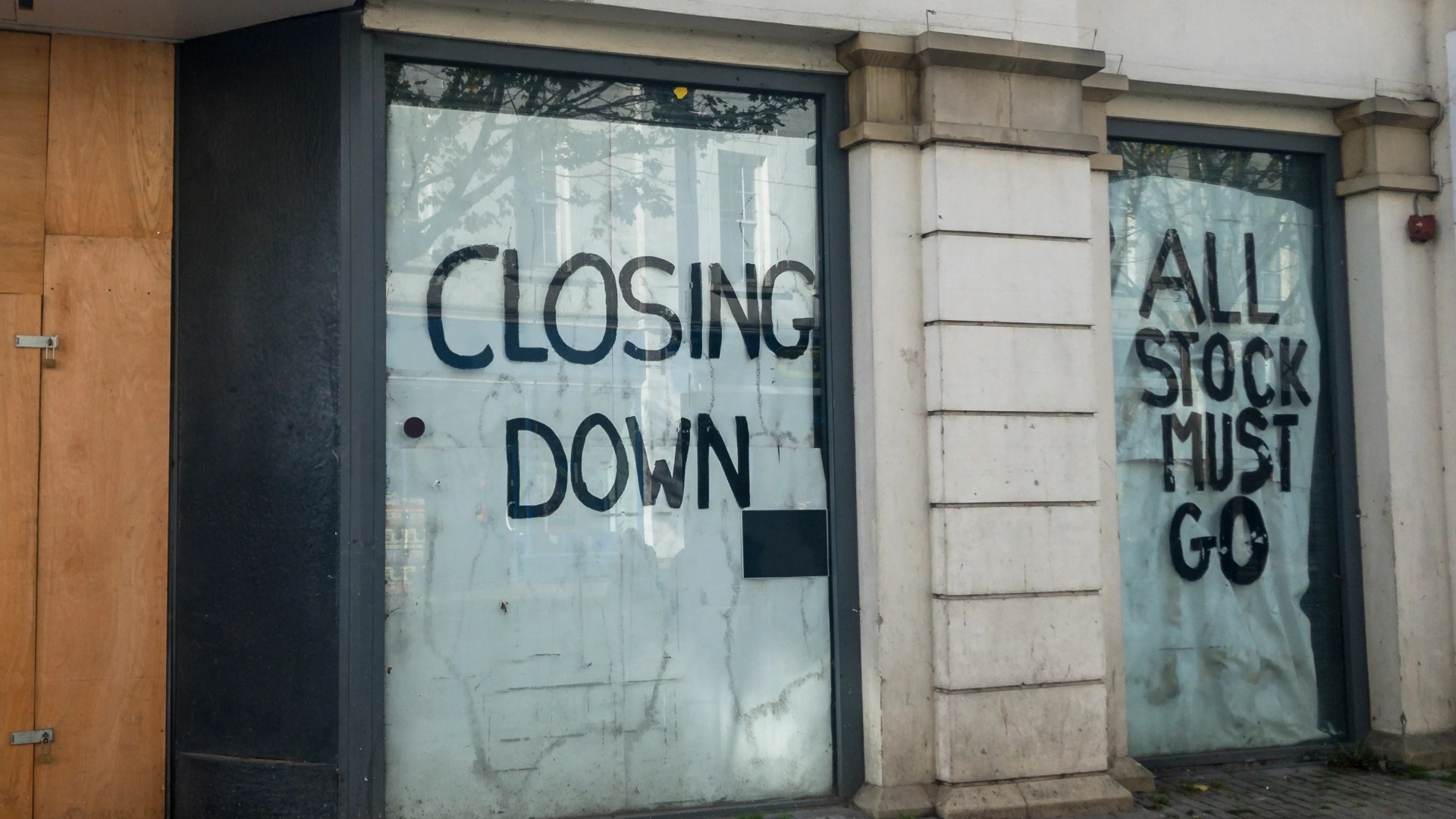
A flyer for Jake’s Osaka(Image credit: Photography by Theo Sion)Jake’s recently moved to a new site on Vyner Street in Bethnal Green. Burt believes the store provides a blueprint for young designers to work differently – particularly as the traditional wholesale fashion model feels increasingly unsteady. In August 2025, Canadian e-retailer Ssense – known for stocking a vast array of young, independent fashion labels – filed for bankruptcy, leaving brands owed thousands. It was symptomatic of a growing trend: in 2024, London-based e-retailer Matches Fashion – another store that supported young designers – went into administration. Burt sees Jake’s as proof that designers can take things into their own hands. ‘I think my big prediction for next year is that London Fashion Week will see press and buyers going to shops [rather than shows], travelling between pop-ups and permanent spaces – all designer-led, designer-owned,’ he says. ‘Seeing the crowd here every Saturday is amazing, from something that just started as an experiment. I would 100 per cent recommend [this way of working] to young designers. You can do it from anywhere – a church hall, your bedroom.’He continues, ‘I think starting a shop helps you build a world. You build it naturally because you have to sit in the middle of it and make it look how you want it to. It’s just a lot more tangible. I think about that word so much. In my own personal battle against things like social media, that’s what I always want to come back to – to make something tangible.’Receive our daily digest of inspiration, escapism and design stories from around the world direct to your inbox.Discover all the Wallpaper* Design Awards 2026 winners in the February issue of Wallpaper*, available in print on newsstands, on the Wallpaper* app on Apple iOS, and to subscribers of Apple News + from 8 January 2025. Subscribe to Wallpaper* today
(Image credit: Photography by Joshua Sneade)