I tried an often forgotten radiator hack and it made a huge difference
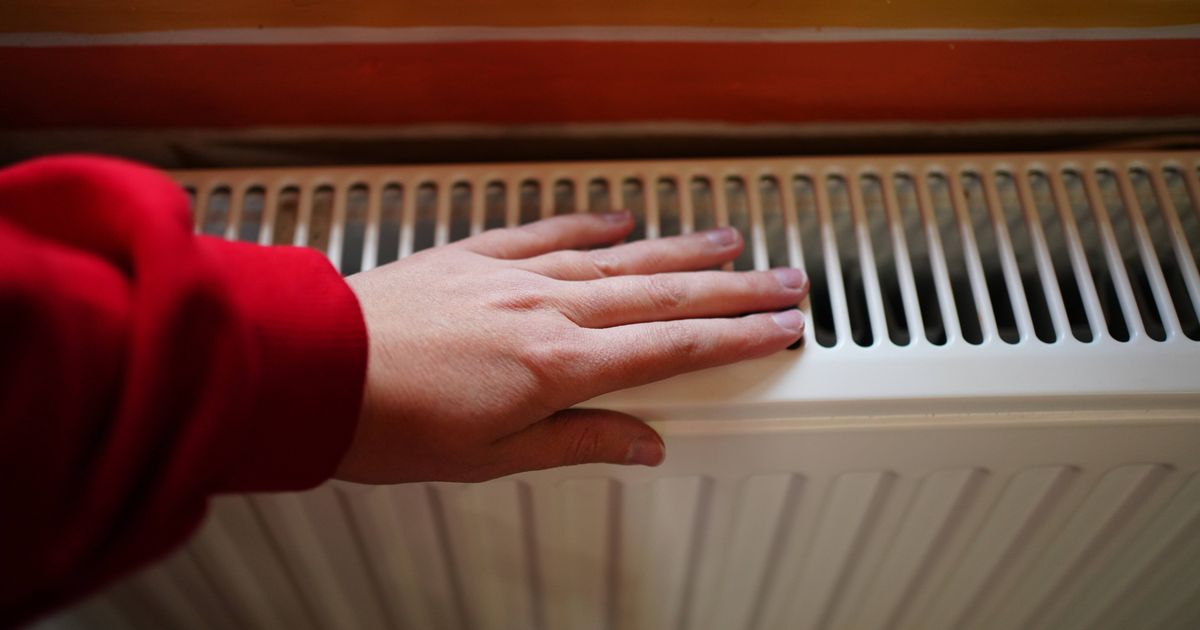
Bleeding radiators is a crucial maintenance task many Irish households forget to do - but it can make radiators warm up much quicker and improve heating efficiencyMany households across Ireland often overlook a crucial task related to their radiators.Radiators, often seen as part of the furniture due to their ubiquitous presence in homes, are frequently forgotten when it comes to maintenance. However, it's vital for homeowners to bleed their radiators to ensure they heat up more efficiently.After following these steps, I noticed my radiators began to warm up much quicker. One radiator in my house that was previously not working started working properly again after bleeding.The experts at Hiatt Hardware have shared their top tips on how to bleed your home's radiators, reports RSVP Live.Switch off your heatingRadiators can contain a large amount of water at scalding temperatures, so it's crucial to turn off your heating and wait between 30 minutes to an hour before attempting to drain one.Protect your floorsDraining a radiator can be a messy task, so it's advisable to place towels and any water-catching containers (like Tupperware tubs or buckets) underneath the pipes on either side of your radiator.Secure the valvesNext, you'll need to close the thermostatic radiator valve and the lockshield valve on either side of your radiator by turning them clockwise (using a spanner if necessary). Remember to keep track of how many turns it takes to fully secure these.Once the thermostatic radiator valve is fully closed, you can start to disconnect and loosen the nut that links it to the radiator, which may cause a water leak.Identify the bleed valve and have your valve key at handYou can now get your radiator valve key ready to insert into the bleed valve at the top of the radiator and begin to turn it anti-clockwise. You'll hear a hissing sound, signalling that the trapped air is being released.Allow a bit of water to follow the trapped air; when the bleed changes from a slight trickle to a steady flow, tighten the valve once more.Reconnect and reopen the thermostatic and lockshield valvesAfter releasing the trapped air, you can reopen the valves on both sides of your radiator and repeat this procedure for any other radiators that need attention. Once finished, you can switch your heating back on and enjoy the advantages of an efficient heating system.Join our Dublin Live breaking news service on WhatsApp. Click this link to receive your daily dose of Dublin Live content. We also treat our community members to special offers, promotions, and adverts from us and our partners. If you don’t like our community, you can check out any time you like. If you’re curious, you can read our Privacy Notice.For all the latest news from Dublin and surrounding areas visit our homepage.