Here's why you should plan your funeral ahead of time
Sínann Fetherston speaks with Funeral Director Graham Gleasure about the importance of funerals in Ireland, and why we should all pre-plan our own arrangements.
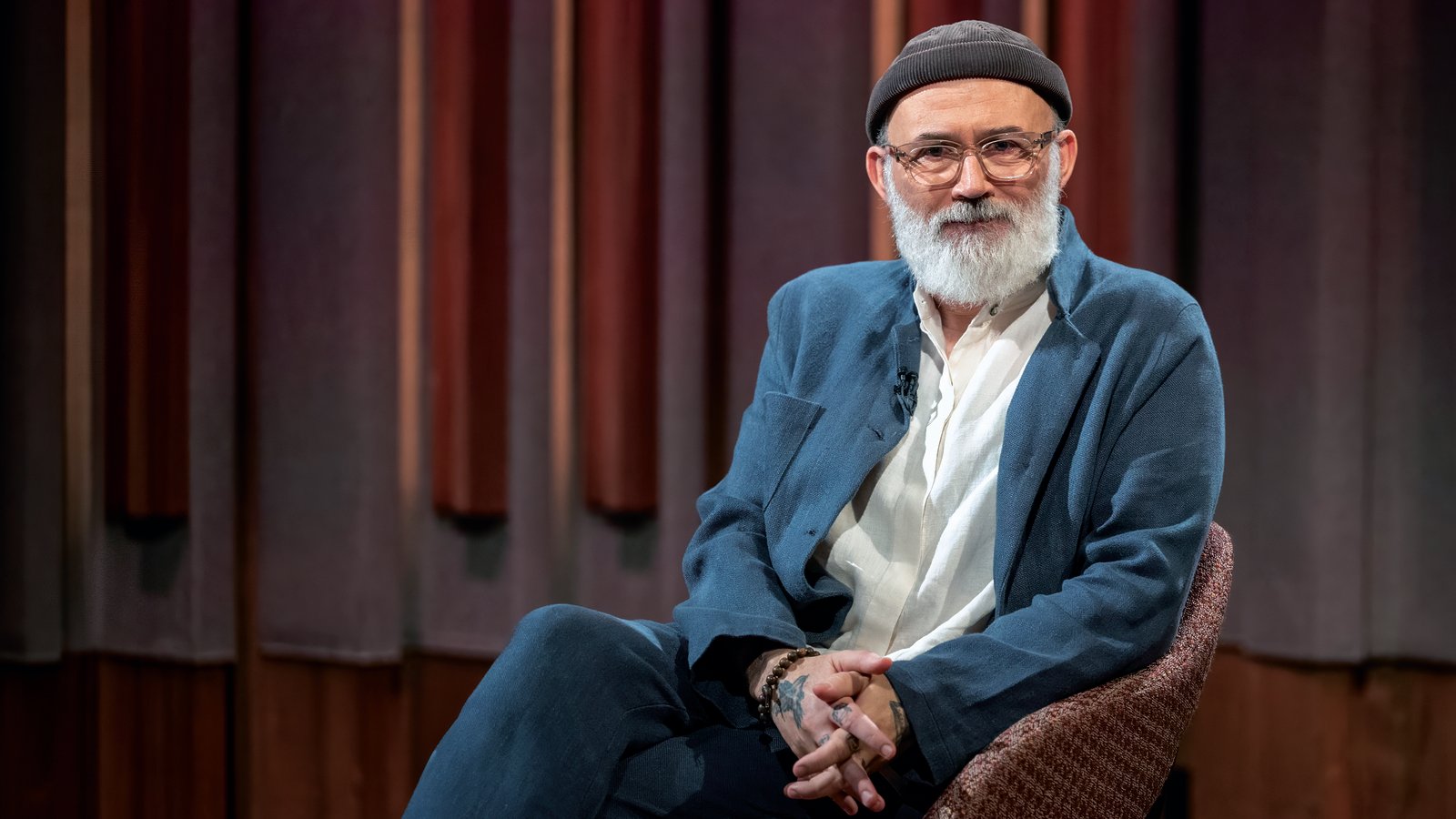
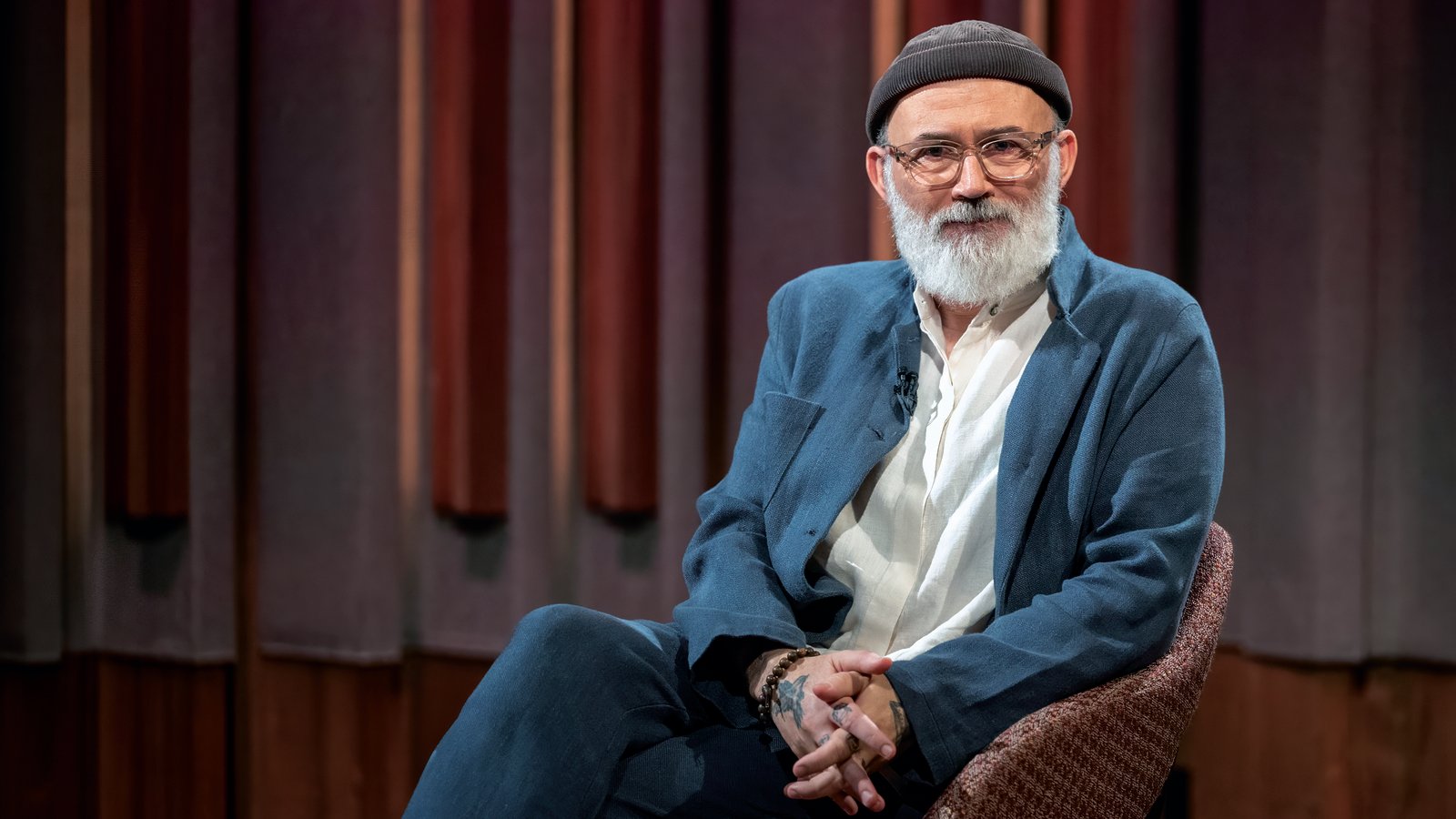
"I suppose I grew up with it," Graham Gleasure tells me of making his start in the funeral business. "My father started the business just a few years after I was born, so we're 50 years in business this year."
"He started it from nothing," he continues."He opened the second purpose-built funeral home in Ireland. The concept came from America; up til then, funerals had always been held in the mortuary of the hospitals or at the house."
Twenty-five years on from taking Gleasure Funeral Home over from his father, it's clear that the Funeral Director is as dedicated to the job as ever before, no matter how times change.
"Back then, usually, someone in the local pub or garage would have a hearse and would make or buy a few coffins, and the local nurse would help to prepare the body," he explains. "They were the basics of it; they trucked together to help the family of the person who died."
These days, funeral homes have taken over these tasks and will look after everything from speaking to the coroner to organising a Zoom link so that mourners can watch the service from abroad.
No matter how much technology, traditions, and belief systems change, though, Gleasure insists that comfort and care are at the heart of every funeral.
"People are tender," he reflects. "Their world is crumbling, and you're just trying to hold it together."
Trying to guess what a loved one's final wishes were is a particularly difficult task, especially when exhaustion, grief, confusion, and differing opinions come into play.
Thankfully, the Tralee native says that the trend of pre-planned funerals is finally on the rise in Ireland, which should ideally take some pain out of the process.
"They have grown, definitely, in the last 20 years," he says, noting that other countries have been doing it for years.
"I put it down to our culture," he suggests. "In Ireland, all along, you felt there was going to be somebody to organise your funeral - 'they'll never leave me overground' - whether it's a neighbour or a friend, somebody is going to turn up.
"In the rest of the world, you may not know your neighbour in the apartment beside you, so other countries were more open to planning their funerals."
When we speak, Gleasure says that he has about two people per week popping into him to put their final wishes down on paper.
"They might be laughing, they might be crying, or they might say, 'look, it's in my head, and I just need to do it'," he explains.
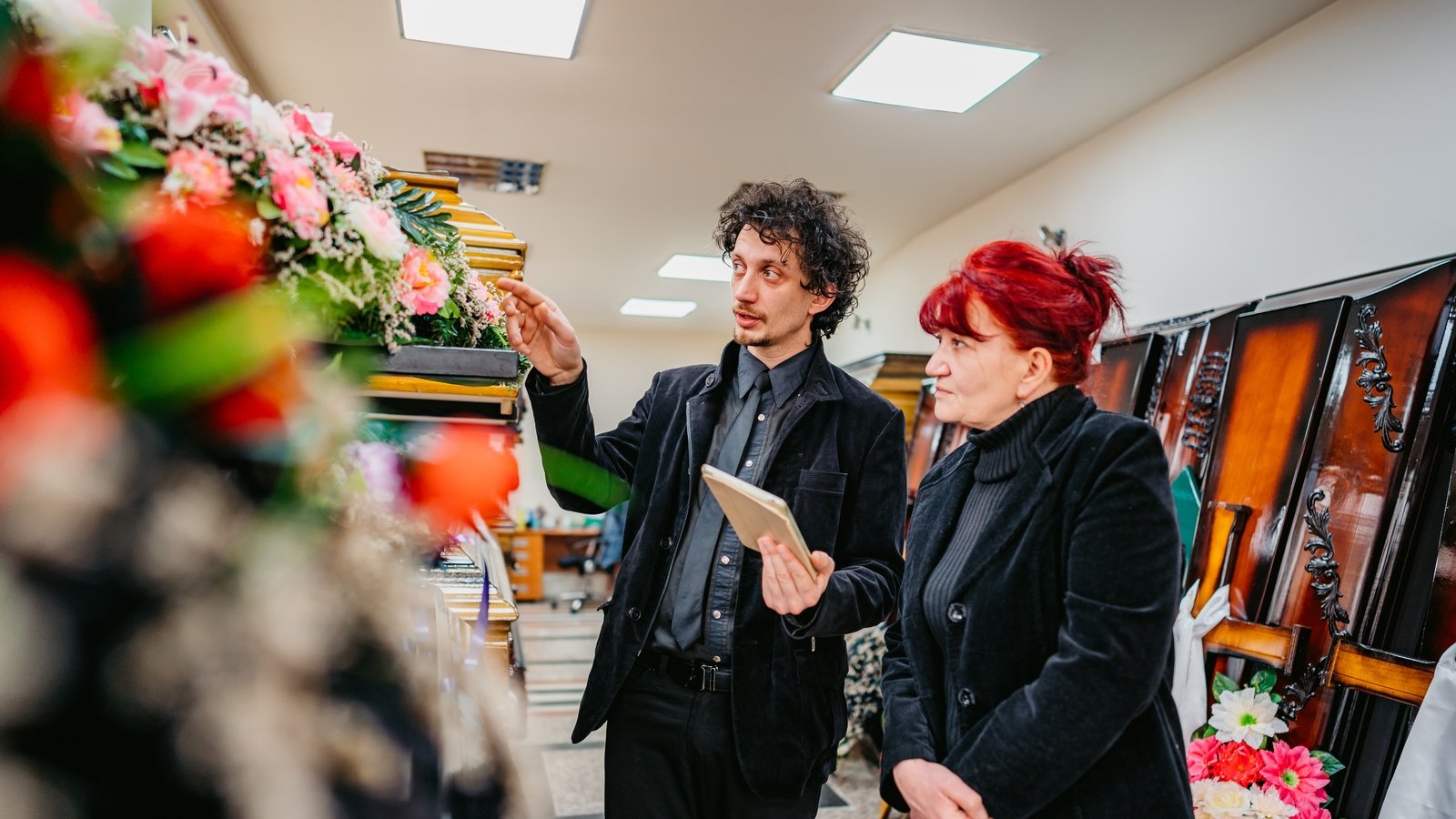
Putting the person at ease, the Funeral Director says he will gently guide them through questions in regards to whether they would like a public reposal, a church service, a certain type of flower, or even a specific song played.
"We tease out all the options as if they were making the arrangements for tomorrow," he says. "We put all our points down, and you wouldn't believe the relief that it gives people."
A few days after the visit, Gleasure will send a copy of the notes to the person to ensure that they are happy with all the details, and will then keep them on file for when they are needed.
Not only does this give the person in question peace of mind, but when the time comes, it gives those grieving a sense of comfort, knowing that they have fulfilled the wishes of the person who has passed.
"They can walk out without wondering if they were right or wrong in their choices," he muses. "They don't have the burden of making those decisions."
Reflecting on his life's work, Gleasure says that although many find it morbid to speak about death, the more we can normalise it, the better it is for everyone involved.
"We have tremendous respect, in Ireland, for funerals," he surmises. "The Irish gather together, and they celebrate the life of the person who has died.
"If you can have any little talk or discussion with family about it, that's going to be a help to them later."