Listed house prices now just 10% below Celtic Tiger peak
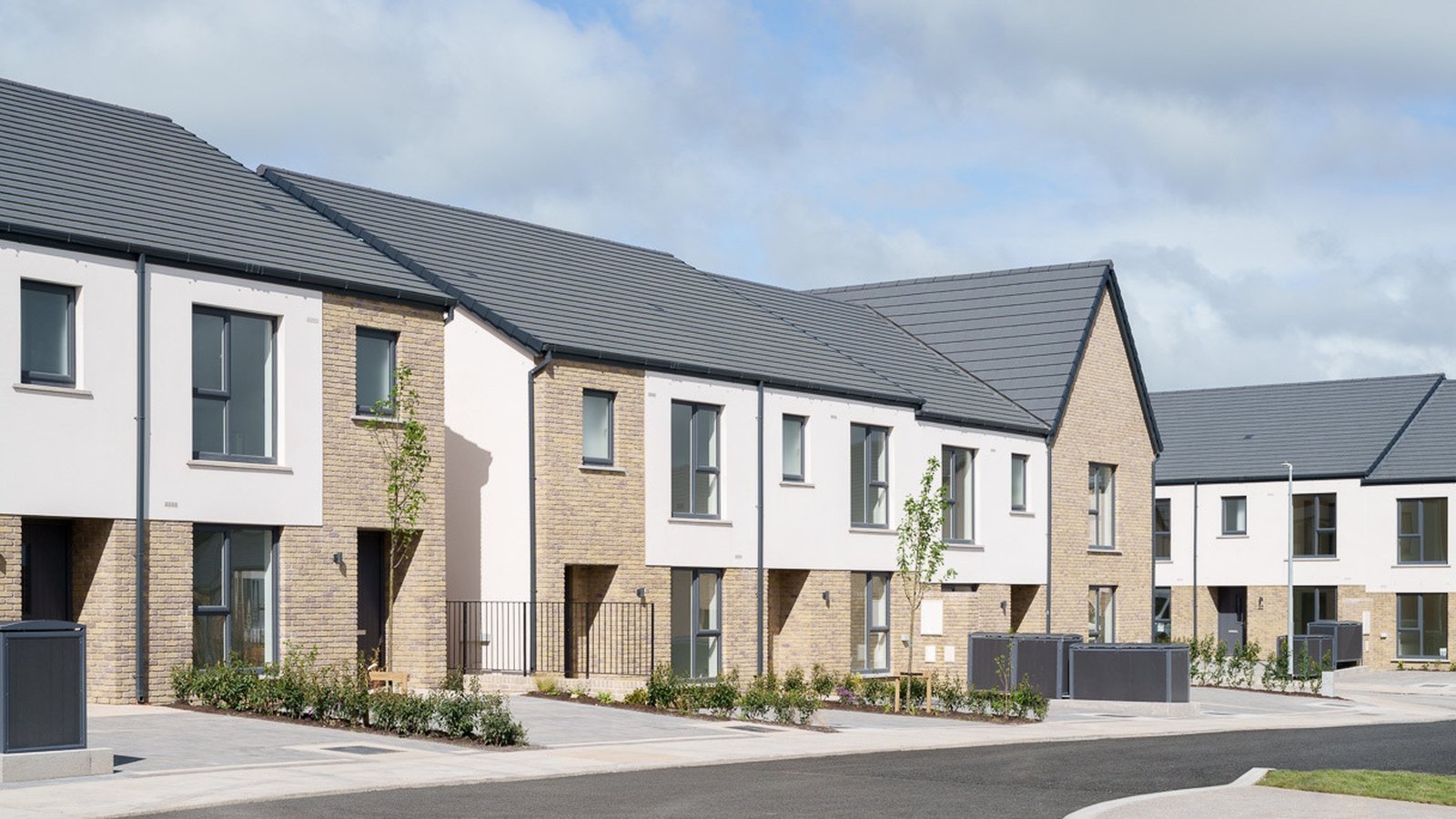
The average home list price nationally rose by an average of 5.5% during last year, according to the latest report from Daft.ie.
The average price of a three-bed semi-detached home in the final quarter of the year was just over €423,000.
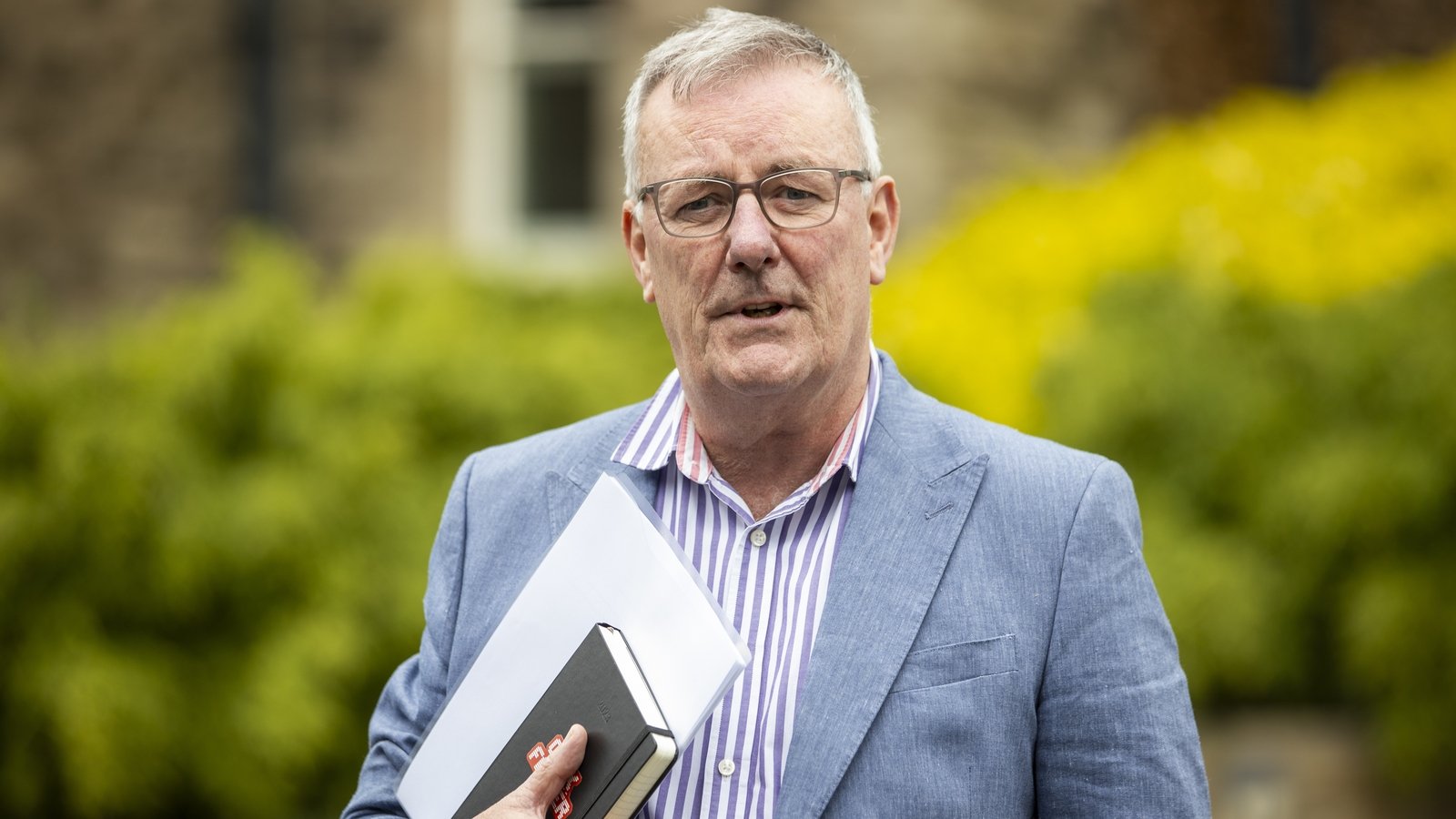
According to the author of the report, Ronan Lyons, there is no indication that prices for homes won't continue to increase.
"Across both list and transaction prices, it is clear that demand continues to significantly outpace supply in the sales market. An optimist will point to the slight slowdown in inflation, with the 5.5% increase in list prices below the 6.8% seen in 2024 – and to the modest increase in availability of second-hand homes.
"However, this marks the twelfth year in a row of increasing prices. And, since the pandemic, the availability of homes to buy has become stuck at a much lower level than before – putting greater pressure on buyers," explained Mr Lyons.
"The solution remains unchanged, a country that is building between 30,000 and 35,000 homes needs to double that total – across owner-occupied, social and rental segments – so that the housing reflects society, rather than society having to fit the housing stock," he added.
We need your consent to load this rte-player contentWe use rte-player to manage extra content that can set cookies on your device and collect data about your activity. Please review their details and accept them to load the content.
The report shows that important differences remain across regions, with the lowest inflation again seen in Dublin, where prices were up 3.1% year-on-year.
In Connacht-Ulster, on the other hand, prices rose by 11.6% during 2025.
Listed prices are now, on average, 41% above their pre-Covid levels and just 10% below their Celtic Tiger peak.
However, the average list price of a home in Dublin is now €611,000.
Speaking on RTÉ's Morning Ireland, Mr Lyons said that when you have conditions like this in the market, you end up getting segregation by income or wealth.
"If prices are that high you're looking usually at two-income households in the top half of the income distribution who are the only ones that can afford to buy in Dublin at the moment, and that's not a recipe for the long-term health of the city," he said.
"Certainly, the last few years have opened up opportunities for people to look at different markets further away from work if they can work remotely, but people should be able to live close to where their family, friends and networks and jobs are. It shouldn't be the privilege of those who are in the top part of the income distribution or indeed who inherit lots of wealth," said Mr Lyons.
The report shows, as has consistently been the case for over a decade, the increases in prices around the country stem from a lack of supply.
On 1 December, there were just 11,551 second-hand homes for sale nationwide.
While this is up 7% on the same date a year previously, availability is less than half the 2015-2019 average of 26,000.
Shortages in availability are much more acute outside Dublin (63% below the late 2010s) than in the capital (16% below).