Private grief for Castrol: Selling a top global brand to pay off debt is a questionable move for BP, says ALEX BRUMMER
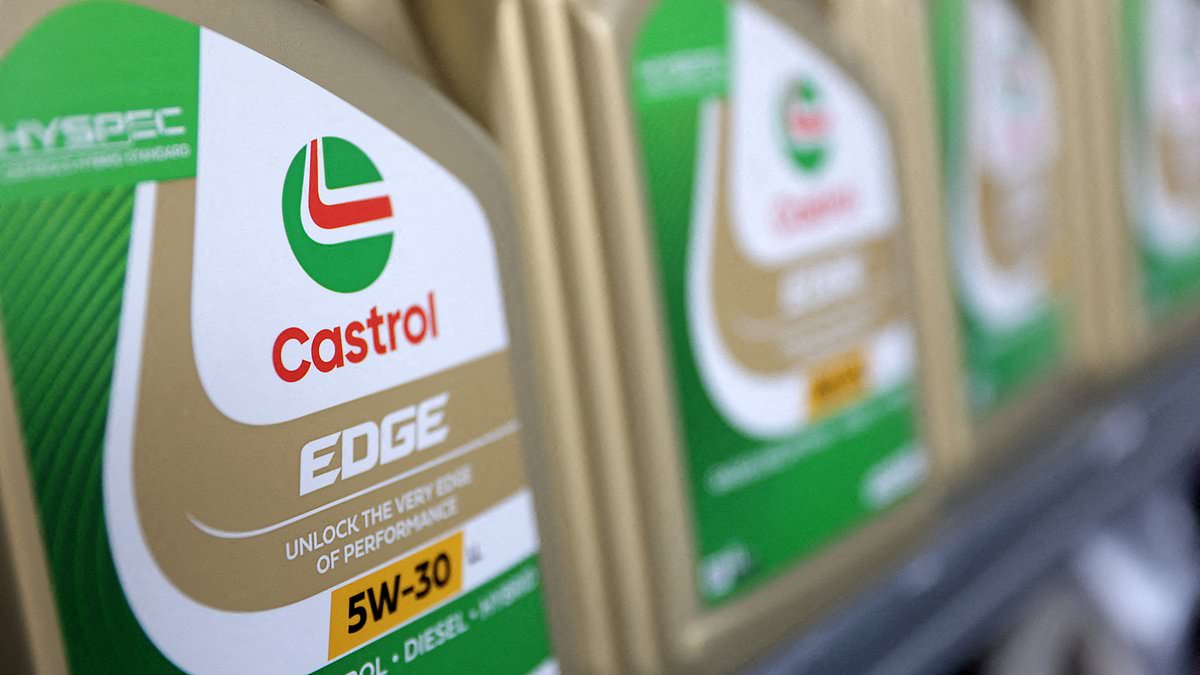
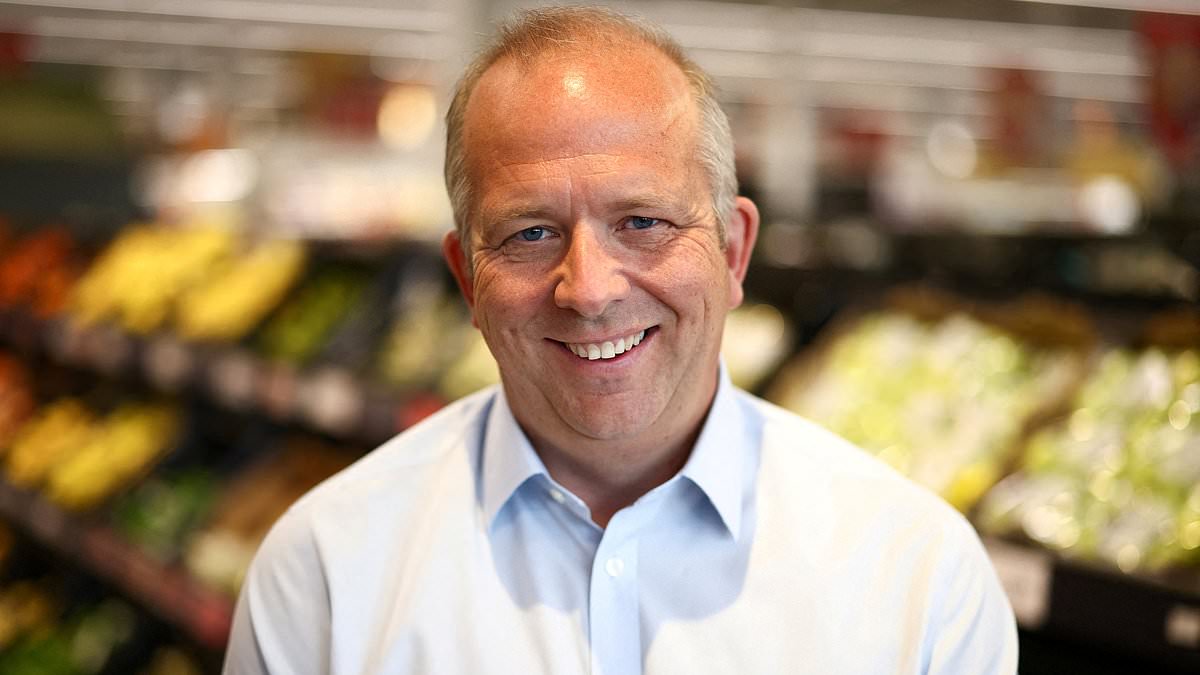
As 2025 grinds to a halt, there is one trend which shows no sign of slowing down. The transfer of financial resources and assets from public to private markets continues apace despite warnings from the International Monetary Fund about a lack of transparency and accountability.An assessment from the Financial Stability Board, chaired by Bank of England governor Andrew Bailey, estimates that non-banks now dominate the economic space – accounting for $257 trillion or 51 per cent of financial assets.Regulators may have stabilised banking since the Great Financial Crisis (GFC) of 2008, but overzealous capital requirements and intrusive stress tests have driven risk into private equity and credit.We learned this year a failure to spot ‘cockroaches’ in the system, such as those at vehicle-parts group First Brands and car-finance firm Tricolor, is much harder to discover.The private equity practice of selling difficult-to-move assets on to secondary funds, to realise gains for impatient investors, looks like a flimsy Ponzi-like structure. Debt fight: BP has agreed to sell a majority stake in its Castrol lubricants arm to US-based infrastructure business Stonepeak for $6bn, or £4.4bn As the GFC unfolded, the dangers of creating special-purpose vehicles to hold stressed assets were evident.The trend from public to private markets continues apace. In the UK media black hole that is Christmas Eve, BP revealed that it has been able to sell 65 per cent of Castrol lubricants to New York-based private equity outfit Stonepeak, which boasts $80billion of assets. The deal has been applauded as a win for newish chairman Albert Manifold.How much credit should be given to the BP chairman, whose past triumphs include moving the listing for Irish-based building group CRH from London to New York, is questionable. A deal was in the pipeline before he took the reins at BP. Under pressure from activist Elliott, bringing down BP’s debts, at $20billion, is seen as a priority.The enterprise value on Castrol of $10.1billion looks good at first glance and will enable BP to lower its debt by $5.2billion providing it with breathing space. It is doubtful whether selling a strong, cash-generative global brand is a brilliant move even though BP is holding on to a minority stake. The price is lukewarm and the goal, one thought, was to double down on fossil fuels and dispose of non-core assets.The sale is a short-term gift to incoming chief executive Meg O’Neill, parachuted in from Woodside Energy Down Under. O’Neill may need it given her patchy past record for shareholders. Rushed change for change’s sake is unnecessary. The biggest risk for BP in 2026 will be a sagging oil price. It would be a mistake to underestimate the value in the group’s discovery and exploratory arm including new drillings in the Gulf of America, the vast offshore discovery in Brazil and its leadership role in fast-growing India.Shrinking earning capacity will not provide redemption.Cash talksLess noticed is that the Castrol sale will be the second private equity take-out of the holidays. UK-based International Personal Finance fulfils an important role by providing funding to consumers who find it difficult to find credit elsewhere.Faced with a £543million bid from American buy-out firm BasePoint, a tiny 7 per cent premium to the pre-Christmas share price, the chairman Stuart Sinclair and the board decided to take the money.The board lacks the resolution to fight for independence despite Sinclair’s claim it ‘continues to believe in the strategy and long-term prospects of IPF on a standalone basis’. Clearly, it does not.A US buy-out group is taking advantage of a London discount to snaffle a British digital, financial innovator on the cheap.UK-based long investors Artemis, Schroders and JO Hambro should back the London Stock Exchange against the interlopers. Don’t count on it.Crash courseDriverless cars, already on the streets of San Francisco and Austin, are the wave of the future. What happens when there is a power cut? Residents and visitors received a taste of the future when Google’s Waymo robotaxis stalled on the streets of San Francisco in the week running up to Christmas. Traffic lights went out, hazards turned on and frightened passengers were stranded. Beware!DIY INVESTING PLATFORMSAJ BellAJ BellEasy investing and ready-made portfoliosHargreaves LansdownHargreaves LansdownFree fund dealing and investment ideasinteractive investorinteractive investorFlat-fee investing from £4.99 per monthFreetradeFreetradeInvesting Isa now free on basic planTrading 212Trading 212Free share dealing and no account feeAffiliate links: If you take out a product This is Money may earn a commission. These deals are chosen by our editorial team, as we think they are worth highlighting. This does not affect our editorial independence.Compare the best investing account for you