Government feared international backlash after Jewish cemetery desecrated with Nazi symbol
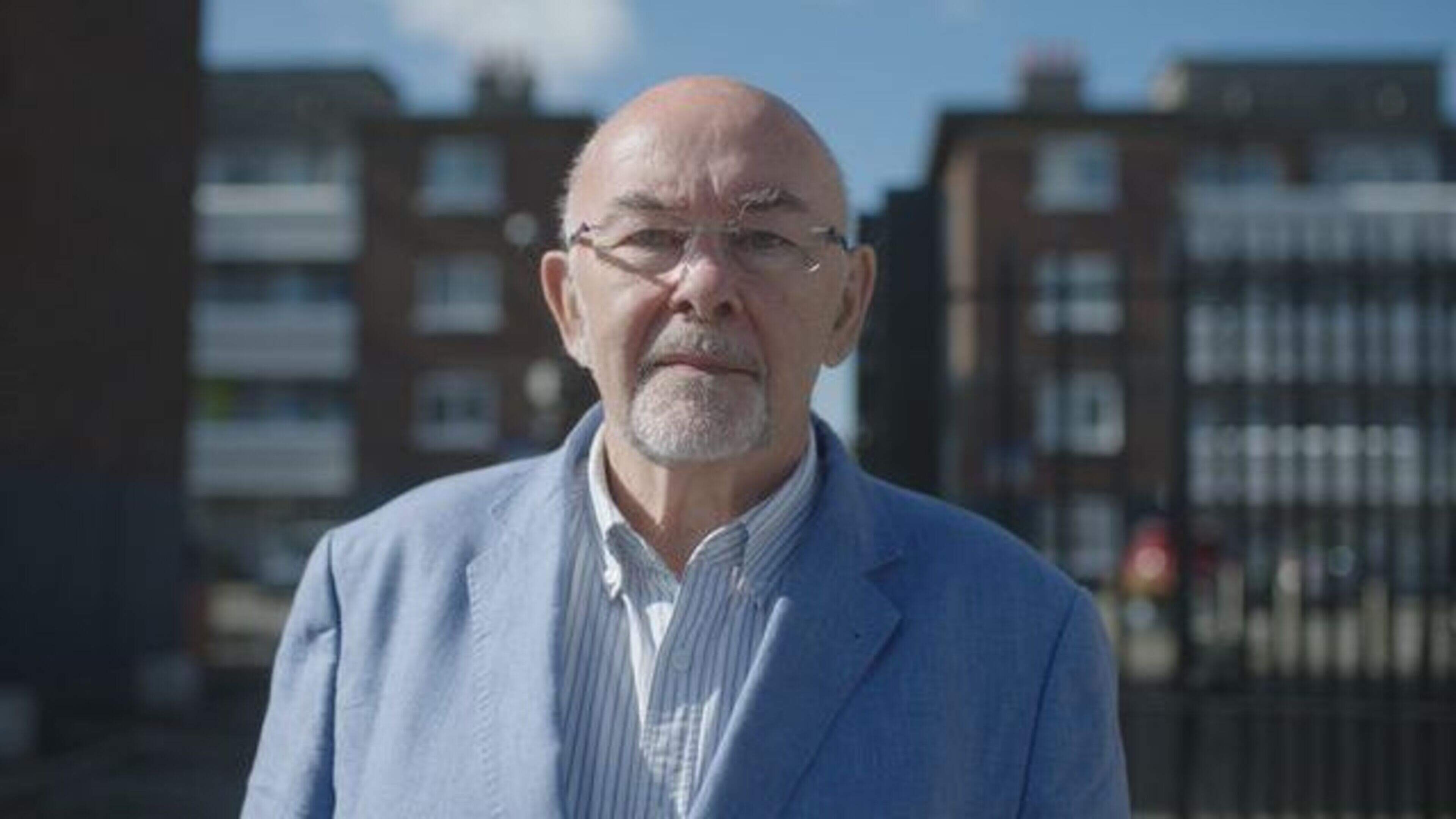
Confidential State Papers reveal the government was very concerned at international coverage of an attack on a Jewish cemetery in Limerick.The attack, in which a blue swastika was painted in front of the cemetery gate, was covered by The Jewish Chronicle in the UK on September 1, 1995.Other damage included a door being smashed, a prayer lectern being overturned and part of a perimeter wall being knocked down.The newspaper specifically mentioned the fact that Limerick was the focus of Ireland’s only major antisemitic attack in the 20th century when Jewish shops were boycotted in the city and Limerick witnessed an anti-Jewish riot in 1904.Read moreMan accused of fatal Wexford crash denied bail over flight risk fearsTwo-thirds of Limerick’s Jewish population quit the city in the aftermath of the riot and boycotts.Avi Winchester, author of the article, wrote to Irish press officers at the UK embassy over the Limerick attack, which happened in the aftermath of the visit to Limerick by Israel’s ambassador to Ireland, Zvi Gabay.“Can you please let me know of further developments and kindly ascertain what measures were taken so far,” Mr Winchester wrote on September 1, 1995.Press officers at the embassy contacted Department of Foreign Affairs chiefs for advice on developments.The top crime stories of 2025 “I believe Mr Winchester spoke to (Limerick) mayor (Jim) Kemmy recently,” Cliona Manahan Leslie wrote. “I would be grateful for material for reply to either myself or Ms Ciara Delaney.”It was confirmed that, under an agreement between Limerick and Ireland’s then chief rabbi Ephraim Mirvis, the cemetery grounds were placed under the auspices of Limerick City Council.The Limerick attack occurred just weeks after the government had approved a £10,000 grant to support the Irish-Jewish Museum in Portobello in Dublin.Future Labour leader Ruairi Quinn was a supporter of the museum which was located in an area with longstanding links to the Jewish community.Read moreSerial conman with 90 convictions duped car seller out of €400Mr Quinn, who was on the museum board, had lobbied the government to financially support it.Proposals for the museum were put forward in 1984 and much of the work in establishing it was done on a voluntary basis.One of the key requests from the museum was for copies of any government documents in relation to Ireland accepting Jewish refugees before and after World War II.In particular, the museum wanted records pertaining to ritual meat slaughterers who were believed to have been allowed to migrate to Ireland after World War II, largely to help support the Jewish population in Ireland.In a Department of Foreign Affairs document dated August 1995, James Brennan of the organisation unit wrote to the Department of An Taoiseach to stress that there was a positive view towards any such documentation being released.“The department’s general attitude to the question of the release of archives is positive and we are anxious to ensure that our past good record in this area be maintained and even improved upon in the context of the proposed archive legislation,” it said.The latter said a number of relevant documents had been located and searches were underway for others.A Department of Justice note said it had no trace of any such files in relation to Jewish migration.“All the early ‘aliens’ files were sent to the Public Record Office some years ago and no doubt enquiries are also being directed to that office,” the note said.