How Trump’s freeze on state AI laws could make your next home cost even more
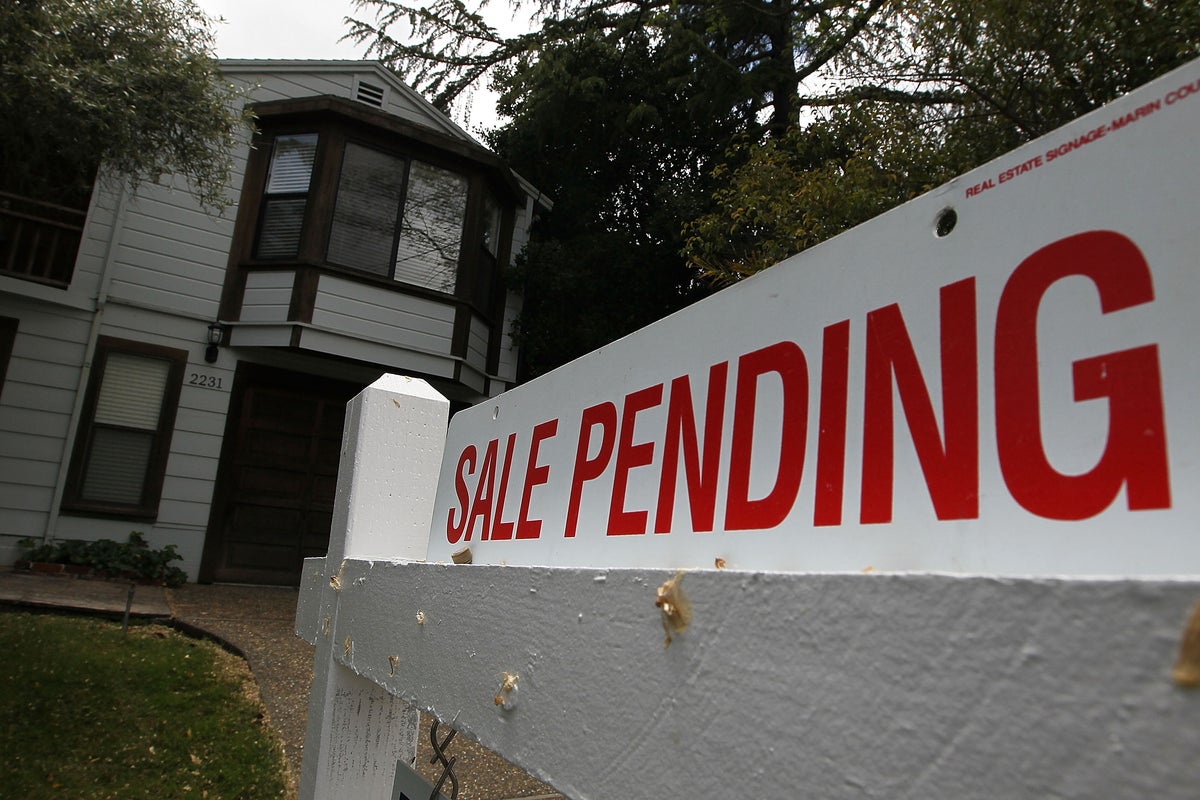
Sign up for the daily Inside Washington email for exclusive US coverage and analysis sent to your inboxGet our free Inside Washington emailGet our free Inside Washington emailAs AI colonizes every facet of American life, state legislatures across the country are racing to prevent it from driving housing costs even higher.But now that work could be in danger due to an executive order by President Donald Trump which is likely to protect his allies and donors in the AI industry from state attempts to regulate them.On Thursday, the president signed an order directing federal agencies to push back against "onerous laws" on AI, including by threatening to withhold funding."To win [against our adversaries], United States AI companies must be free to innovate without cumbersome regulation. But excessive state regulation thwarts this imperative," the order reads."My administration must act with the Congress to ensure that there is a minimally burdensome national standard — not 50 discordant state ones."State regulators and civil rights groups reacted with fury. "President Trump and David Sacks aren’t making policy – they’re running a con," said California Governor Gavin Newsom, referring to Trump's AI adviser. open image in galleryTrump was flanked by commerce secretary Howard Lutnick and AI/crypto czar David Sacks as he signed the executive order (AP Photo/Alex Brandon)Thirty-eight different states have enacted laws regulating AI over the course of this year, seeking to increase transparency and prevent "algorithmic discrimination".Across U.S. industries, AI already helps decide who gets a job interview, a home loan, or even certain forms of medical care. Yet research has shown that it frequently suffers from gender and racial biases and not all its decisions are accurate. Many states and local authorities are taking action to regulate AI's use in housing and real estate, fearing it could allow landlords to jack up prices or engage in covert discrimination under the veil of 'neutral' computerized calculations. Take RealPage, a Texas-based software company that provided real-time price recommendations to landlords based on its vast trove of confidential data about other rental deals.open image in galleryMany states and local authorities are taking action to regulate AI's use in housing and real estate, fearing it could allow landlords to jack up prices or engage in covert discrimination (Getty Images)Critics called this a form of illegal "algorithmic collusion" that allowed landlords to effectively "collude" in fixing rental prices as high as possible. Last month the company reached a legal settlement with the U.S. Department of Justice, agreeing to stop using real-time data.Officials in Jersey City, San Francisco, Philadelphia, Minneapolis, San Diego, and Portland, Oregon have now banned the practice of setting rents based on AI recommendations and several states look set to follow suit.Last year, Colorado passed a statewide bill to stop AI-driven discrimination, though lawmakers have now delayed its enforcement after intense lobbying from the tech industry. New York has also banned algorithmic rent collusion.It's not yet clear whether Trump would use his new executive order to push back on these specific laws. The order exempts state AI laws relating to "child safety protections", as well as "other topics as shall be determined", giving the White House a lot of latitude. Supporters, including representatives of the tech and real estate industries, say a patchwork of differing state laws could impede technological progress and create burdensome compliance costs for companies.But civil rights groups are worried. "The federal government has failed to act [against AI]," Nikitra Bailey of the National Fair Housing Alliance told Politico recently. "Any attempt to weaken state-led AI protections would worsen the fair and affordable housing crisis."We strongly discourage the Trump administration from haphazardly releasing an executive order on AI that would side with big tech and investors over the people of America."open image in galleryThe executive order tells the US attorney general to create an ‘AI Litigation Task Force’ with the “sole responsibility” of “challenging state AI laws” that are inconsistent with the White House’s tech policy (AP Photo/Alex Brandon)Indeed, Trump has a notably close relationship with AI titans such as ChatGPT creator OpenAI and hardware maker Nvidia. Numerous tech barons have donated to his inauguration fund, attended his fundraising dinner for the new White House ballroom, or joined him at state banquets abroad."President Trump’s unlawful executive order is nothing more than a brazen effort to upend AI safety and give tech billionaires unchecked power over working people’s jobs, rights and freedoms," Liz Shuler, president of the AFL-CIO labor union, said in a statement last week in response to the executive order."President Trump’s AI order is an attempt to kill responsible safety reforms passed by states, which would create a lawless Wild West environment for AI companies that puts Americans at risk. This is a terrible idea," said Virginia Democrat Don Beyer, who co-chairs the bipartisan Congressional AI Caucus. But former Trump adviser and MAGA high priest Steve Bannon said Sacks had "completely misled" the president by persuading him to back an "AI amnesty".