Mark Zuckerberg's attempts to dominate competitors push Meta to brink: 'Intense year'
Meta is becoming an increasingly toxic workplace amid its pivot to artificial intelligence, according to Business Insider.
What's happening?
Current and previous Meta employees have recently reported growing fear about speaking out against management, unclear strategies, and a cutthroat working environment. These changes are borne from attempts to capitalize on AI and come out ahead of competitors like OpenAI, Google, and Microsoft.
"Nobody really knew what anyone was doing," said ex-Meta employee Joena Zhang on the state of affairs in the first half of 2025, per LinkedIn. "The org was dense — imagine ~300 PMs, endless 'high-stakes' meetings, and 5-9 VPs regularly gathering in a room to review something… only to walk out with no actual decisions."
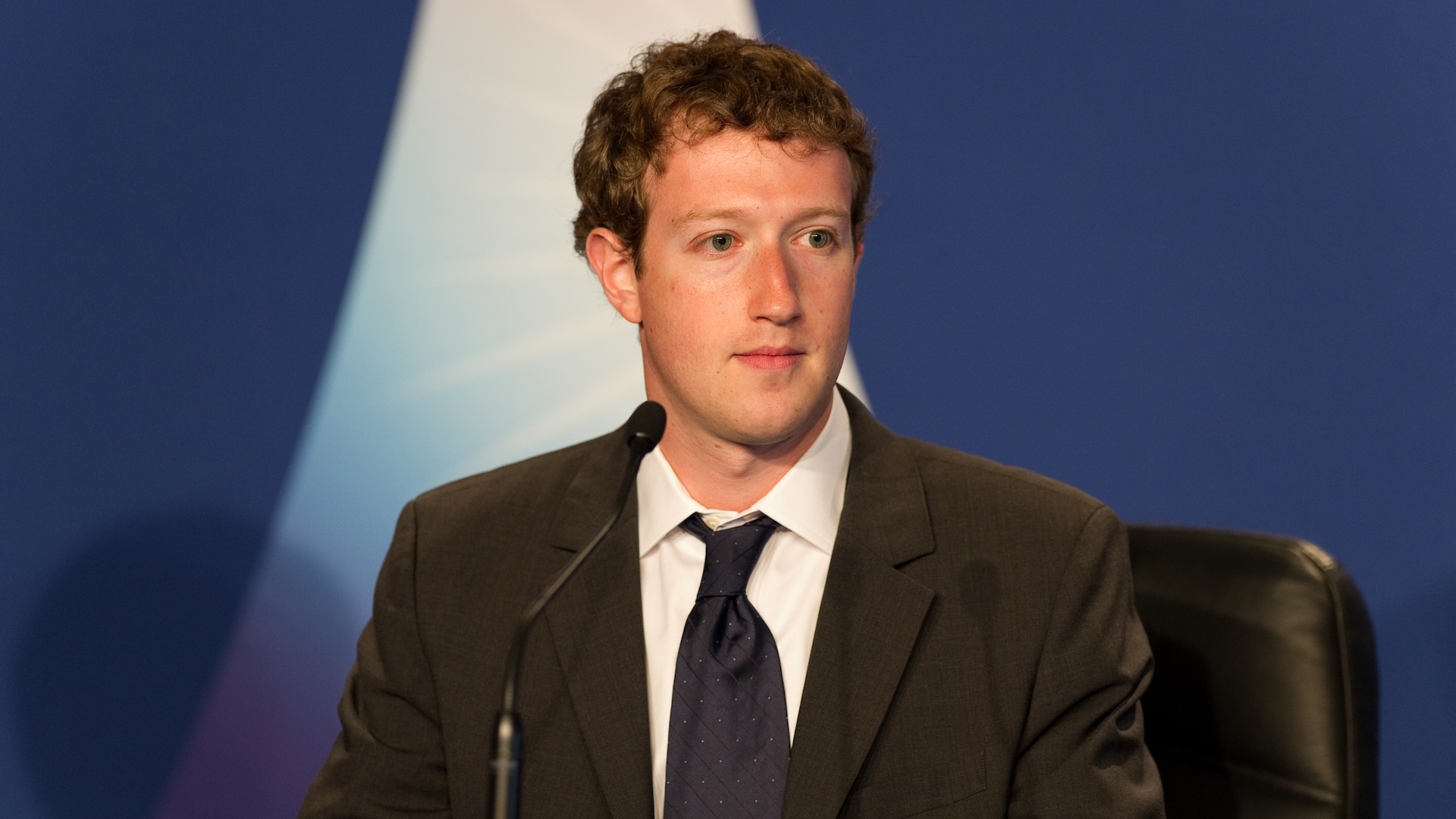
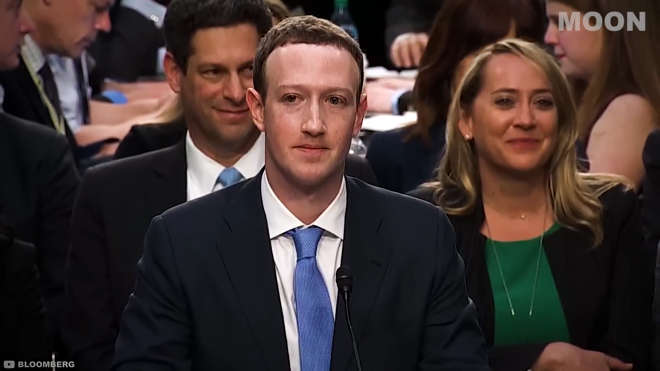
At the onset of 2025, Meta CEO Mark Zuckerberg warned that it would be an "intense year," which subsequently included massive investments in AI, significant layoffs, and a stark culture shift to match the shifting American political landscape.
Why is artificial intelligence important?
Besides the threat of staff burnout and operational frustrations during Meta's pivot into AI, the whole sector bears significant environmental and societal risks.
As companies push their products to justify investments and AI use ramps up, so too has energy use. This spike in data center energy needs has contributed to surging electricity bills and created measurable additional pollution. These data centers can also compromise local water supplies.
What's being done about AI?
Luckily, the AI market is showing signs of self-correcting. Underwhelming sales of AI products in 2025 have led Microsoft teams to adjust targets, according to one report. Overzealous cross-investment between AI giants has others worried about a bubble bursting in the near future.
Should AI growth continue along its current trajectory, however, researchers are working to make models run as efficiently as possible in order to reduce energy costs and harmful carbon pollution. Google, Meta, and Microsoft have all made big investments in low-pollution energy to meet data center needs while minimizing environmental impact.
Get TCD's free newsletters for easy tips to save more, waste less, and make smarter choices — and earn up to $5,000 toward clean upgrades in TCD's exclusive Rewards Club.
How the Expedia of solar panels helps homeowners save money and avoid a common trap: 'Giving you confidence in the systems'
Major brand unveils ultra-efficient appliances to lower your bills every month: 'A new benchmark in efficiency and performance'
Revolutionary service helps households make money-saving HVAC upgrades: 'Can save you around 30-50%'
This innovative company will install solar panels on your roof with no upfront costs — here's how its business model works