African leaders seek new paths to close continent’s housing deficit crisis
Speaking on the sidelines of the awards, Namibia’s Minister of Housing, Sankwasa James Sankwasam, said his country’s leadership had placed housing at the centre of public policy, with an explicit construction mandate for the current financial year.
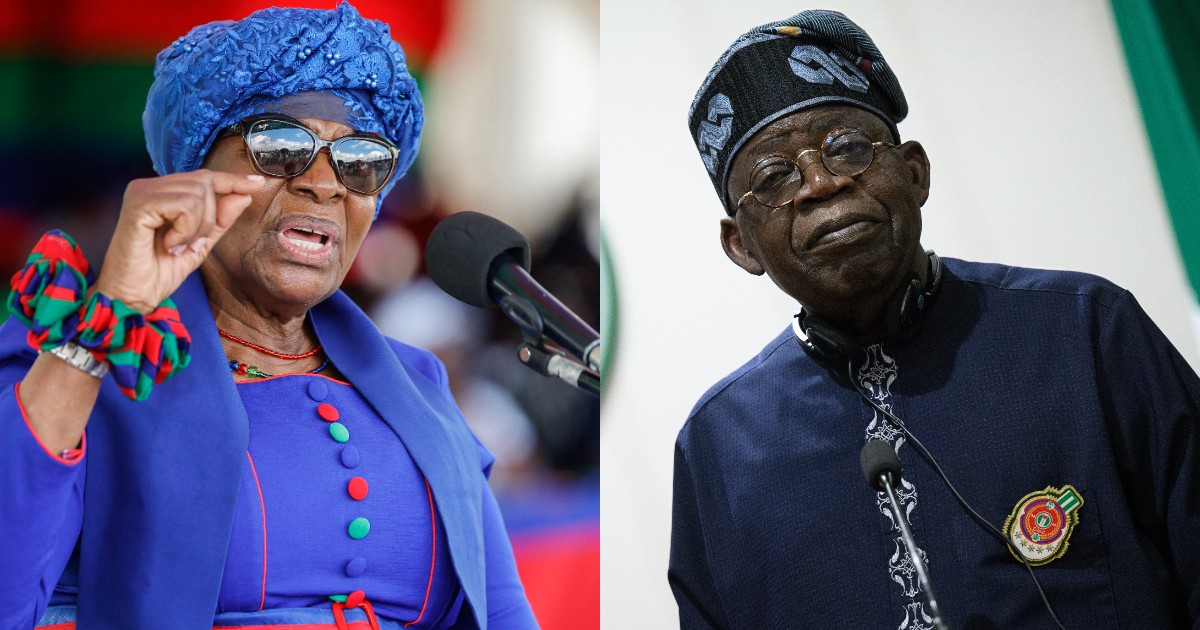
“My president, President Netumbo Nandi-Ndaitwah, is highly committed to housing,” he said, adding that the Namibian public service had been directed to deliver 50,000 houses within the year.
While acknowledging the scale of housing shortages across African cities, Sankwasam pushed back against the idea that the crisis was uniquely African.
Housing deficit a global issue - Namibian minister
Drawing from personal experience abroad, he argued that homelessness and housing pressure were global realities.
“I lived in London, I lived in Leeds in the UK, where people sleep under bridges,” he said, stressing that population growth was outpacing housing supply worldwide.
Namibia, he explained, is expanding access to finance for rural workers such as teachers and nurses, while investing in roads, water, and electricity to support housing outside major urban centres.
Nigeria dismisses 30 million housing deficit stats
Nigeria’s Minister of Housing, Ahmed Musa Dangiwa, used the forum to challenge widely cited figures about Africa’s most populous nation.
“That is wrong, and there is no substantiated data on that,” Dangiwa said, noting that a government committee was close to finalising a more credible estimate of between 15 and 16 million units.
Dangiwa said the findings, based on population and other key parameters, would be made public early in the new year, a move he believes will improve planning and investment decisions.
On affordability, he pointed to public-private partnerships and land reforms as key levers to reduce costs, particularly in Abuja and its surrounding area councils.
Removing land costs and lowering financing expenses, he said, would make homes more accessible to civil servants and low-income earners.
The Africa Housing Awards, convened by Barrister Festus Adebayo, brought together delegations from across the continent, including Gambia, Ghana, Kenya, and Namibia, highlighting housing as a driver of jobs, growth, and social stability.
As African governments face mounting pressure to close the housing gap, discussions in Abuja underscored a shared view that, while the challenge is global, Africa must craft its own data-driven, inclusive solutions.