Tesla ranks dead last in used car reliability study, but there’s a catch
Consumer Reports is out with its latest study on used car reliability, and the headlines are already circulating: Tesla has landed at the very bottom of the list.
The study, which examines 5-to-10-year-old vehicles, ranks Tesla 26th out of 26 brands, placing it behind Chrysler, Dodge, and even Jeep – brands known for decades for their reliability issues.
While critics will undoubtedly use this as ammo to attack the brand, a closer look at the data reveals a much more nuanced picture, one that highlights just how recent an automaker Tesla still is.
Consumer Reports (CR) surveyed its members about the problems they’ve had with their vehicles from model years 2014 to 2019. The result is a “brand reliability score” based on those owner reports. Advertisement - scroll for more content
Here is the bottom of the list, where the American automakers are unfortunately clustered:
23. Chrysler (Score: 36)
24. Ram (Score: 35)
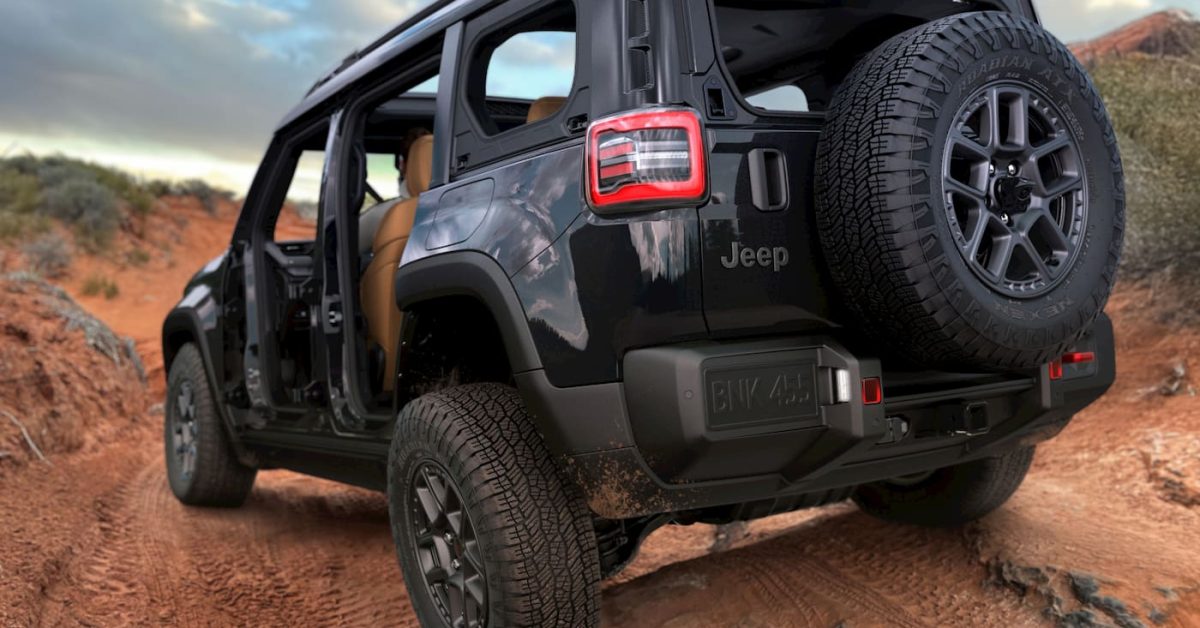
25. Jeep (Score: 32)
26. Tesla (Score: 31)
For context, the top of the list is dominated by the usual suspects: Lexus (77) and Toyota (73), which are the same company for the most part.
Understanding the “Catch” for Tesla
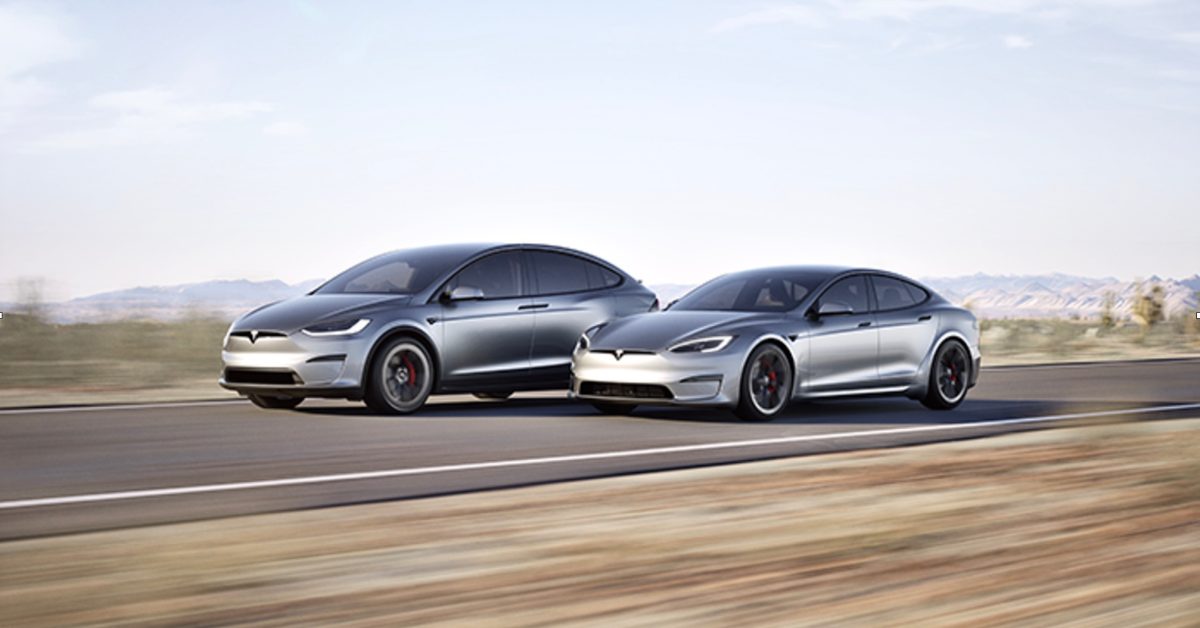
The low score for Tesla is primarily driven by the Model S and Model X from those specific years (2014-2019). Owners reported issues with the drive system, suspension, and climate system, along with the usual build-quality complaints, such as paint and trim.
It is important to consider which vehicles we are talking about here. A 5-to-10-year-old Tesla basically means the Model S and Model X, and early Model 3 vehicles.
If you have been following Electrek for a long time, you know that this was the “production hell” era. These were low-volume, high-complexity vehicles where Tesla was essentially learning how to mass-manufacture cars in real-time.
The Model S from 2012-2015 had notorious issues with its drive units and the door handles. The Model X, launched in late 2015, was famously dubbed by Elon Musk as a car with “hubris” due to its over-engineering, particularly the Falcon Wing doors.
The most critical takeaway, which CR itself acknowledges in its new car ratings, is the massive gap between “Old Tesla” and “New Tesla.”
While the brand sits at #26 for used cars (2014-2019), Tesla’s new cars tell a completely different story. In CR’s most recent new car reliability rankings, Tesla jumped into the top 10. The Model Y, now the best-selling car in the world, achieved a reliability score of 81—which is considered “excellent” and rivals the top Japanese brands.
CR wrote:
Tesla, for instance, is ranked low in terms of used-car reliability when looking at how their models from 5 to 10 years ago hold up. The company faced numerous issues years ago, as it introduced all-new models and ramped up production, sometimes even working on cars in a factory parking lot. However, the American automaker has made significant strides, and its latest models have demonstrated better-than-average reliability, placing the brand in the top 10 of our new car predicted reliability rankings.
The Model 3 and Model Y are simpler, third-generation vehicles that benefited from the painful lessons learned during the Model S and X ramp.
Electrek’s Take
Dead last is bad, but again, Tesla is still a very new car company relative to the broader market.
As CR noted, there are some good signs that newer Teslas are much more reliable.
What is clear is that long-term reliability still needs to be proven, but CR has a lot of data that enables it to predict that newer Teslas should score much better than the real-world results we are seeing right now after 5-10 years.
That’s based on the short-term (2-4 years) reliability data that we have been seeing on newer Model 3 and Model Y vehicles.
I think that’s fair.
When you think about it, 5 to 10 years ago, Tesla was only producing cars for 7 to 12 years. And from the ground up, only for 3 years with the Model S, which was Tesla’s first real vehicle designed from the ground up.
Now, Tesla has been producing vehicles from the ground up in volumes for 12 years.
FTC: We use income earning auto affiliate links. More.