MediSnap AI healthcare app to help vulnerable patients, insights with Declan Watters
We caught up with Declan Watters to learn more about his innovative and powerful tech for good medical app that he has developed.
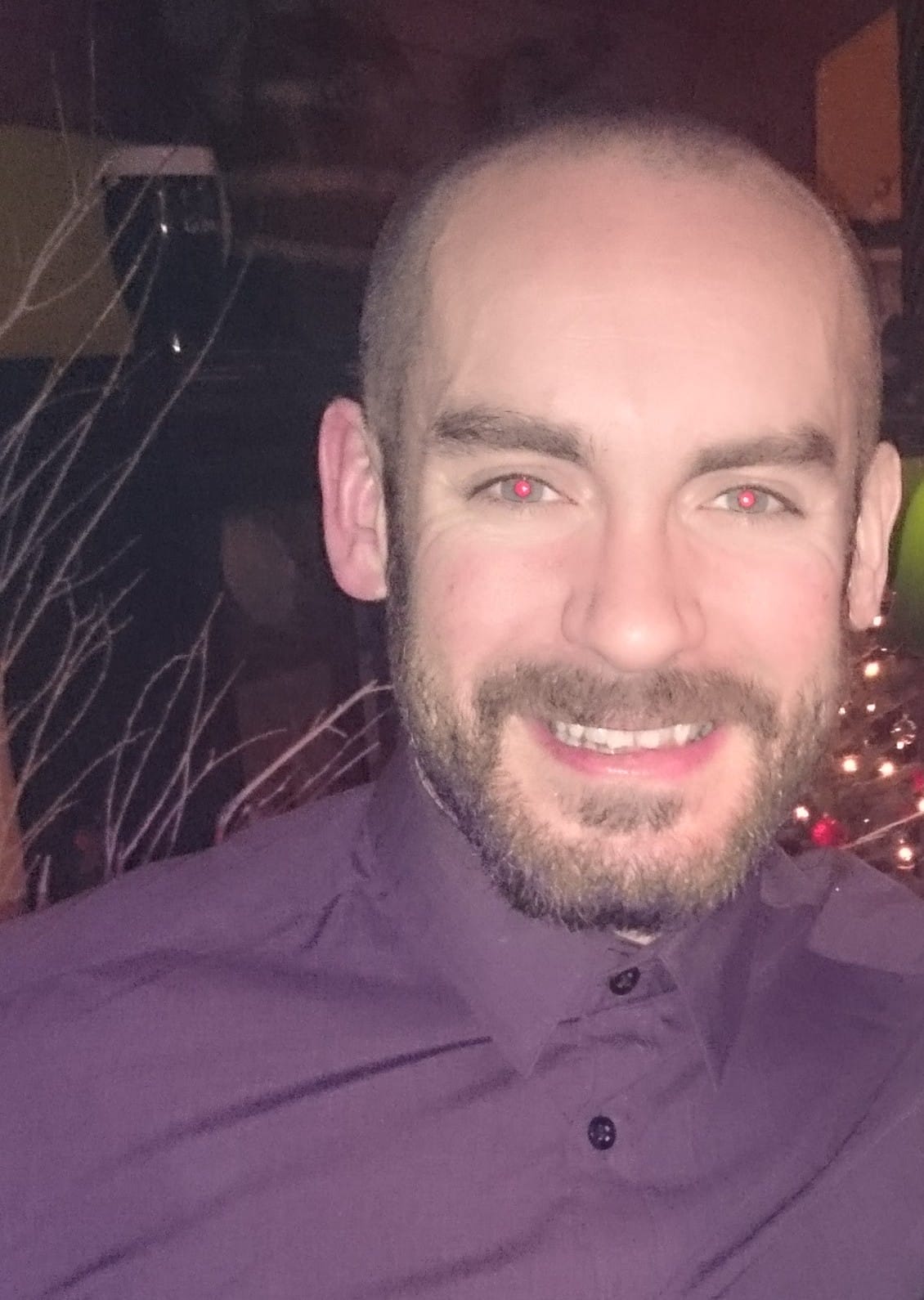
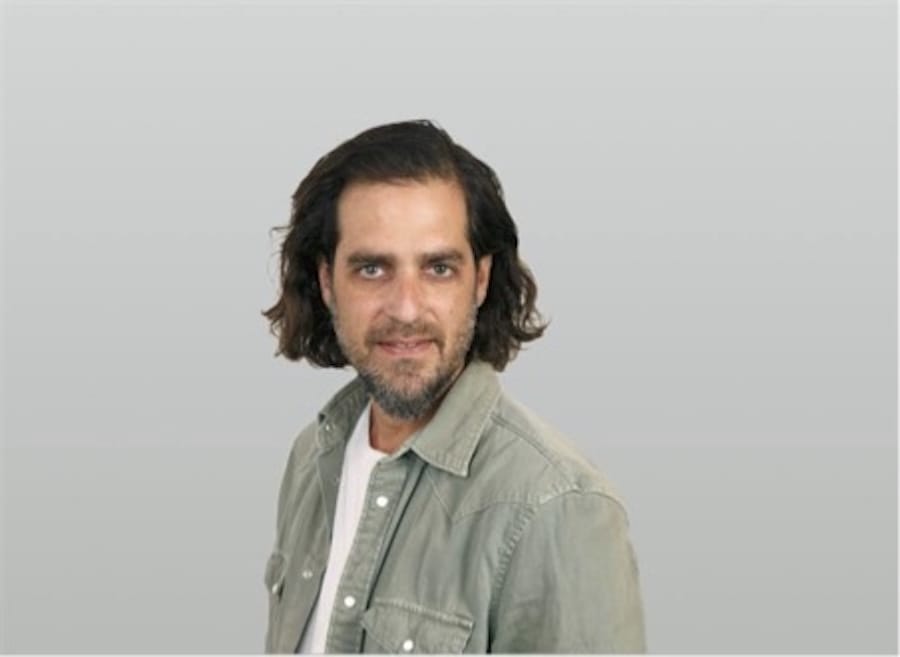
Declan Watters, MediSnap
Who are we talking to, is it a logical journey to what you do now?
I’m Declan Watters, a practicing paramedic and co-founder of MediSnap. The journey makes complete sense when you look back, though I didn’t plan it this way.
I started in pharmacy at age 14, working under Jim McCormick at Magees Pharmacy in Letterkenny. Spent 22 years in pharmaceutical retail, progressing through Cara Pharmacy Group, learning everything about medications – from otc, brand, generic and trade along with dispensing and wholesale operations. Then I moved into paramedicine about six years ago, completing my BSc (Hons) in Paramedic Science from UCC this year.
I also have a BSc in Computer Science from LYIT back in 2005, which I honestly thought I’d never use professionally. Turns out, having pharmacy knowledge, emergency medicine experience, and computing skills is the exact combination needed to build MediSnap.
The platform exists because I live this problem daily. When you meet someone in an emergency situation and they can’t tell you what medications they’re on – unconscious patients, confused elderly people, language barriers, flustered family members- you’re making critical decisions with incomplete information. we built the tool I needed without actually knowing what we had.
What are you currently working on?
MediSnap – an AI-powered medication identification platform for healthcare professionals. You photograph medication packaging, prescriptions,bottle, handwritten or blister packs, and within 3-5 seconds you get instant identification plus critical drug interaction alerts. Rapidly painting a picture and allowing the medical professional to move ahead with treatment and cuts minutes googling medications, we cant know them all!
We’ve just launched on Google Play Store, with iOS coming shortly. The platform supports multiple languages – English, Irish, Ukrainian, Polish, Portuguese, and Spanish – because language barriers are a massive issue in emergency healthcare. Especially the Cyrillic alphabet recognition, it read Ukrainian language and packaging.
Right now we are managing rapid growth whilst preparing for regulatory approval through HPRA (Health Products Regulatory Authority). We’ve gone from company registration in October to 352 registered healthcare professionals using it operationally in emergency situations. We’ve had nearly 100,000 website hits and over 3,500 people checking out the platform. That’s all organic growth – healthcare workers telling their colleagues about it. We dont have marketing or a budget.
I’m also in conversations with Enterprise Ireland for seed funding, and we’ve got national media coverage coming. It’s been a whirlwind few weeks.
How long did it take you to build up the app, and how has it evolved over time?
From company registration to live product took about six weeks. We launched the beta in late October 2025, and we’ve just gone commercial on Android. It was built on a shoestring budget whilst working full-time as a paramedic – evenings, nights, weekends. But we have been developing this this for the best part of 2025.
I should mention – I have a silent partner, my Co-Founder and CTO, who handles all the technical development. We’ve been best mates since childhood, so working together just clicks. A lot of the best decisions happen over a pint or on the phone late at night, talking through problems. He prefers to stay out of the spotlight, but I couldn’t have built this without him. Having someone you trust completely makes the hard days manageable.
We compiled the proprietary medication database using my 22 years of pharmaceutical knowledge, designed the clinical workflows based on what I actually need in the field, and handled all the testing with colleagues. My co-founder built the platform architecture and makes sure everything actually works technically. And he also puts up with my pestering.
The evolution has been driven entirely by user feedback from healthcare professionals actually using it in emergency situations. For example, a paramedic colleague named Fiona provided brilliant suggestions after using it – things like improving the interface for gloved hands, better low-light camera functionality, and streamlining the workflow when you’re under pressure. Our multi page scanning for one patient with huge polypharmacy also came from a colleague named cathal. The biggest advancements we have made have been through feedback and suggestions.
We’ve gone from basic medication identification to sophisticated drug interaction analysis, critical alerts, multi-language support, offline functionality, and now we’re adding features like medication allergies and pdf print outs for handovers.
The platform isn’t theoretical – it’s built by someone who uses it themselves and refined by the people it’s designed for. That’s been the key to getting it right.
What were the challenges, looking back is there anything you would have done differently?
Biggest challenge: Building a proprietary medication database from scratch. There’s no publicly available, accurate, comprehensive medication database suitable for emergency use. Pharmaceutical companies won’t share data because it helps competitors. So I’ve spent months compiling and validating a database using my pharmaceutical knowledge. That’s ongoing work. also from feedback on medications scanned in feild that were not on the database.
Second challenge: Balancing two careers. I’m working full-time as a paramedic whilst building a startup. Development happens evenings, nights, weekends. You learn to be incredibly disciplined with time, but it’s exhausting. My silent partner is doing the same.
Regulatory complexity: Navigating medical device regulations is daunting. HPRA approval costs €60-80K and takes 12-18 months. That’s a massive barrier for a bootstrapped startup. We need that approval to access institutional contracts, but it requires significant capital investment – hence the Enterprise Ireland conversations. We are also open to being approached from interested parties.
What I’d do differently: I’d have started conversations with Enterprise Ireland and investors earlier. I was bootstrapping in isolation because I didn’t know the funding landscape. Turns out, there’s significant support for Irish healthtech startups – I just didn’t know where to look initially.
Also, I’d have launched on app stores sooner. We spent time perfecting the web version, but users want native apps. Should’ve listened to that feedback earlier.
That said, the lean approach forced us to validate genuine demand before spending money. Every feature exists because users asked for it, not because we thought it was cool. Sometimes constraints are helpful.
You are based in Donegal, for those who don’t know, what are the pros of life up there?
Letterkenny is brilliant for building a startup. Lower cost of living means your limited funding goes further. Overheads are minimal compared to Dublin – important when you’re bootstrapping.
The community support is incredible. When Donegal Daily ran our story, the response was overwhelming. People here genuinely want local businesses to succeed. Donegal has been supportive, and there’s a growing tech scene that people don’t expect.
Quality of life is unbeatable. I can finish work, go for a walk around with the kids, and be back at my laptop in an hour. The headspace that gives you is invaluable when you’re building something stressful. its an relaxed way or life up here and im surrounded by family.
There’s also less noise and distraction. You can just focus on building the product and talking to customers, rather than getting pulled into constant networking events.
The flip side? You’re not accidentally bumping into investors at coffee shops. Fundraising requires deliberate effort – travelling to Dublin for meetings, leveraging LinkedIn heavily, using video calls strategically. But that’s manageable.
Remote working culture means location matters less than it did. Investors take Zoom meetings, and our users are global. Geography is less relevant than ever.
Plus, there’s something quite satisfying about building a company that gets international attention whilst based in Donegal. Proves you don’t need to be in Silicon Valley or Dublin 2 to create something worthwhile.
Going forwards, if things go well, what would good look like in three to five years time?
Year 1 (2026):HPRA regulatory approval secured. That’s the unlock for institutional sales. We’ll be generating revenue from individual healthcare professional subscriptions and securing our first enterprise contracts with private healthcare services and care homes.
Year 2 (2027):Multiple enterprise contracts across Ireland and UK – NHS trusts, private healthcare providers, voluntary organisations like Order of Malta and Irish Red Cross. Launching MediSnap Home – a consumer version for family caregivers managing elderly relatives’ medications. Revenue hitting €500K annually.
Year 3 (2028):Established across Ireland and UK, expanding into broader Europe. We’ll have hired a team of 10+ people in Letterkenny – regulatory specialists, sales, developers, customer success. Revenue approaching €2M annually.
Long-term vision:MediSnap becomes the standard tool every paramedic, nurse, and carer uses. Like how you wouldn’t think of driving without Google Maps – you wouldn’t think of treating a patient without checking MediSnap first.
We’re preventing medication errors at scale. Every critical alert we flag is a potential adverse event prevented. If we’re flagging thousands of critical interactions monthly, we’re genuinely making healthcare safer whilst reducing system costs.
Personally? I want to stay in Donegal and build a proper company here. Create quality jobs, prove you can scale a healthtech startup from Letterkenny, and hopefully inspire other people in regional Ireland to back themselves.
That said, I’m taking it one milestone at a time. HPRA approval first, then we’ll see where it goes.
What are your sources of information and inspiration?
Daily inspiration: Honestly, it’s the users. When a colleague messages saying “MediSnap just flagged a dangerous interaction I’d have missed” or “congratulations on the app is amazing”- that’s what keeps you going. Knowing it’s genuinely helping people makes the long hours worthwhile.
Healthcare developments: I follow emergency medicine innovations, AI in healthcare, and medical device regulatory changes. Journals like the British Medical Journal and Emergency Medicine Journal keep me updated on clinical developments.
Startup learning: I’m learning fundraising, scaling, and business operations as I go. Enterprise Ireland resources have been and will be invaluable. I read irishtechnews.ie ,Silicon Republic and The Journal’s business section for Irish startup ecosystem news.
Podcasts: Healthcare and startup podcasts during commutes – learning from founders who’ve scaled healthtech companies, understanding regulatory pathways.
Local community: The Donegal business community is more connected than people realise. Conversations with other founders, LEO Donegal advice, Letterkenny Chamber connections – that local knowledge is valuable.
Users’ feedback: This is genuinely the most important source. Healthcare professionals using MediSnap in the field tell us exactly what they need. We’re not guessing at features – we’re building what frontline workers ask for.
How can people learn more about you and your work?
HOW TO LEARN MORE:
Download MediSnap:
Android: Available now on Google Play Store (search “MediSnap.ie”)
iOS: Launching shortly
Connect with Declan Watters:
Phone: 087 949 5359
LinkedIn: Declan Watters
Company: MediSnap Limited (CRO 800389)
Social Media:
Facebook: MediSnap.ie
Anything else we should have asked?
“Is this actually making a difference?”
Yes – measurably. We’ve flagged 452 critical drug interactions in seven weeks. That’s 452 situations where a healthcare professional potentially prevented a dangerous medication error. When elderly patients are on 10+ medications, the interaction risks are complex. MediSnap catches things humans might miss.
“What do you want readers to know?”
This platform exists because I was frustrated with the tools available. As a practicing paramedic, I was tired of incomplete information leading to delayed care or potential mistakes. So I built something better.
If you’re in healthcare and you’ve ever felt underprepared dealing with complex polypharmacy, you’re not alone. This tool is for you.
If you’re a family member caring for elderly relatives with multiple medications, MediSnap Home (launching 2026) will help you manage that safely.
And if you’re in Donegal or regional Ireland thinking about starting something – you don’t need to move to Dublin. You don’t need massive funding to start. You need a real problem, domain expertise, and the willingness to work evenings building a solution. It’s possible.
“What keeps you going?”
Knowing that every critical alert prevents potential harm. That’s not theoretical – that’s real patients getting safer care because a healthcare professional had better information.
The feedback from colleagues using it keeps me motivated. When someone says “this helped me today,” that makes the hardwork worthwhile.
More about Declan Watters
Declan Watters is a practicing paramedic based in Letterkenny, County Donegal, and founder of MediSnap Limited. He started working in pharmacy at age 14 and spent 22 years in pharmaceutical retail before transitioning to paramedicine, completing his BSc (Hons) in Paramedic Science from University College Cork in 2025. With a background in Computer Science (BSc, LYIT 2005), Declan identified a critical gap in emergency care and built MediSnap – a platform that helps healthcare professionals instantly identify medications and flag dangerous drug interactions. Since launching in October 2025, MediSnap has been adopted by over 350 healthcare professionals across Ireland, the UK, and USA.
ABOUT MEDISNAP:MediSnap is an AI-powered medication identification platform for healthcare professionals. Users photograph medication packaging and receive instant identification plus critical drug interaction alerts within 3-5 seconds. Supporting multiple languages including English, Irish, Ukrainian, Polish, Portuguese, and Spanish, the platform helps paramedics and emergency responders when treating patients who cannot communicate their medication history. Since launching in October 2025, MediSnap has been adopted by 352 healthcare professionals and has flagged 452 critical drug interactions through organic word-of-mouth growth.
See more breaking stories and interviews here.