Green dignity and public visibility: GIA’s intersectional approach to transgender rights and climate justice in Pakistan
An FGD session at the GIA premises. Image from the Facebook page of Gender Interactive Alliance. Used with permission.
This piece was produced as part of Global Voices’ Special Coverage, Global resistance beyond COP30, with support from Global Voices’ partner AWID.
Pakistan’s transgender — or khwaja sira — community continues to be socially excluded and kept on the margins by Pakistani society. Many transgender people become displaced at a young age and face violence, harassment, and daily discrimination that limit their access to everyday life, such as education, health care, and formal work.
In the absence of adequate laws and government policies to protect these vulnerable people, a network of community-led and allied NGOs is providing services, legal support, and advocacy, especially in Lahore, Karachi, and Khyber Pakhtunkhwa. Among them is Gender Interactive Alliance (GIA), a trans-led organization in Karachi, Pakistan, which works to secure equal rights for transgender Pakistanis and challenges the discrimination, harassment, and violence they face. GIA focuses on helping transgender people in Pakistan gain social acceptance, access to education, healthcare, and safe employment. It also works to protect them from harassment, promote legal recognition, and challenge the stigma that limits their opportunities.
In 2012, the Pakistan Supreme Court ordered recognition of “third gender” and announced their inclusion in the biometric national ID (CNIC) and electoral rolls. Between 2010 and 2015, GIA played a key role in legal efforts and public campaigns that helped establish a separate gender category for transgender people in official documents.
The Transgender Persons (Protection of Rights) Act of 2018 promised them protection in fields such as education, employment, health, housing, inheritance, and access to public spaces. However, the community suffered a setback as in 2023 the Federal Shariat Court (FSC) reversed core sections on self-identification and inheritance, terming them as “un-Islamic.” This pushback in the law has increased public anger against the community and created confusion within public institutions about transgender rights.
In response, GIA has expanded its focus on healthcare access, pushing for inclusive health policies and social protection while continuing to respond to violence and rights violations. Its work now also covers employment, housing, and mental health support.
Sensitization Training on Transgender Rights in Chensar, aimed at equipping law Police officers with a deeper understanding of the challenges faced by the transgender community. Image from the Facebook page of Gender Interactive Alliance. Used with permission.From 2024, GIA expanded its traditional focus on transgender rights to include climate justice through green initiatives and community-led public art. They have launched initiatives like EcoDignity and Begum Bazaar, which link dignified income opportunities for the community with recycling, up-cycling, and climate-aware community organizing, helping transgender people build skills, strengthen community ties, and pursue environmentally responsible livelihoods.
COP30 took place in Belém, Brazil, from November 10 to 21, 2025. The reality is, grassroots movements such as GIA, which link their activism with climate justice, often do not have a voice in COP spaces, which still operate through power dynamics that sideline frontline feminist and grassroots voices.
Global Voices interviewed Gender Interactive Alliance (GIA) over email to learn about their work and how these efforts align with the broader themes emphasized at COP30, such as justice, human rights, and circular economy.
Global Voices (GV): Can you provide examples of how climate impacts, such as heatwaves, urban flooding, and pollution, directly intensify existing issues related to housing, health, and safety for the Transgender communities in Karachi and other cities in Pakistan?
Gender Interactive Alliance (GIA): In urban settings like Karachi, the transgender community, especially the khwaja sira, is disproportionately affected by climate impacts, which severely intensifies their already precarious living conditions. The community often lacks access to proper, secure housing. Many reside in informal settlements, making them highly vulnerable to urban flooding, heatwaves, and pollution. When seeking rentals, trans individuals are frequently charged higher rates than cisgender people. The displacement caused by extreme weather, combined with the difficulty in securing safe housing, increases their exposure to violence and harassment.
Climate change-related issues like heatwaves, rolling electricity blackouts, and water shortages directly impact their physical and mental health. A lack of reliable shelter and sanitation exacerbates health risks. We see a direct link between the stress of climate precarity and the community’s existing mental health challenges. The struggle to maintain dignity and basic needs is made far harder when the climate itself is actively undermining their stability.
GV: GIA organized a climate awareness session under its EcoDignity program in Karachi in November 2025. How did this session help participants connect abstract climate change concepts to their immediate lived realities regarding drainage, housing, and local environmental challenges?
GIA: Our climate awareness session was highly focused on making the abstract tangible by starting with the community’s immediate lived realities. It was organized effectively with the support of the local government.
The most effective component was having a one-on-one conversation with grassroots community members in specific areas of Karachi. We started by engaging with their basic understanding of climate — not just as weather, but as a force that directly affects their health and mental health.
Participants were already keenly aware of their local urban issues, such as poor drainage, waste management, and housing insecurity. The session helped them connect these problems to the larger context of climate change — for example, linking insufficient drainage to more intense urban flooding, or connecting lack of greenery and load shedding to the severity of heatwaves.
We were impressed by how well-aware they were and how they articulated their local environmental challenges. This session was a key part of GIA and allied feminist organizations, with activists such as GIA project officer Aradhyia Khan, learning how to be part of the climate conversation on a larger, more impactful scale, moving from purely rights-based work into integrated climate justice.
GV: Given that Justice and Human Rights are key themes at COP30, how is GIA ensuring that climate action remains centered on equity, especially when engaging with government departments, human rights institutions, and international partners?
GIA: Equity is the non-negotiable center of GIA’s climate action. We ensure this by deliberately centering the voices and solutions of those most marginalized, and by framing our issues through an intersectional lens.
We link the human rights violations — such as limited access to housing, healthcare, and safe livelihoods — directly to the intensifying effects of climate change. This evidence-based approach is used when engaging with human rights institutions and government departments to make the case that climate action must include social protection and housing security for trans people.
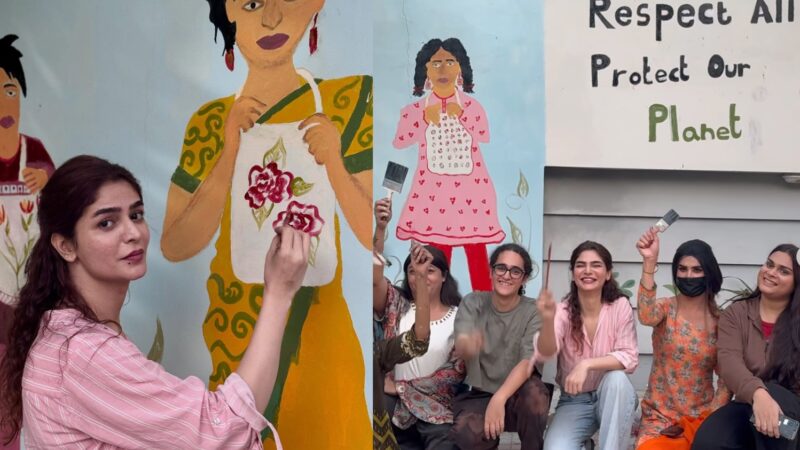
We recently facilitated a Community-Led Climate Justice Mural on a Town Council wall in Chanesar Town. This strategic use of public art in a government-owned space was a powerful visual tool for communicating messages of inclusion and climate justice, making our marginalized community visible and demanding their place in municipal decision-making.
Our programs like EcoDignity create dignified, climate-conscious livelihoods. This is a practical example of equity, positioning our community as active contributors to the green economy, not just passive aid recipients, thus shifting the narrative from charity to enterprise and partnership.
We found that the core challenge is sustaining meaningful participation in local urban planning decisions related to infrastructure and drainage, where power dynamics often sideline grassroots voices. We overcome this by utilizing the visibility generated through public art and the tangible success of our enterprises to secure and sustain these dialogues.
GV: GIA facilitated a Community-Led Climate Justice Mural on the Town Council wall in Chanesar Town. What was the strategic significance of using public art in a government-owned space to visually communicate messages of inclusion and climate justice?
GIA: The Community-Led Climate Justice Mural ‘WAll of Resistance’ was an activity done in collaboration with AWID and GIA and it held profound strategic significance for several reasons.
Wall of Resistance poster. Used with permission.
Using a Town Council Hall wall government-owned public space was a strategic act of demanding and securing a place for the community’s voice within municipal and policy spaces. It visually asserted their right to be part of the urban planning and climate discussion. The mural was community-led and involved a two-day activity where grassroots members, under the leadership of trans artist activist Bubbles, were trained and directly involved in drawing and painting the wall. This hands-on process instilled a sense of ownership over the public message and the space itself.
The mural delivered a beautiful, clear message like ‘Save Climate, Protect the Earth.’ It is an enduring, visible communication of inclusion and climate justice that forces the public and local officials to confront these themes daily. The activity served as an important learning experience for GIA on how to engage the community and be part of the climate change conversation on a very larger scale, marking one of our first dedicated steps into climate justice advocacy.
GV: The EcoDignity program aims to create sustainable, climate-conscious livelihood opportunities through up-cycling. What materials (such as old clothes, fabric scraps, and discarded stationery) are primarily used, and how does this focus on recycling and up-cycling practically position transgender communities as active contributors to the green and circular economy?
GIA: EcoDignity is a flagship initiative linking dignified income with our commitment to climate justice. The program primarily uses materials like old clothes, fabric scraps, and discarded stationery. The focus is on diverting waste from landfills through up-cycling and recycling.
This focus practically positions the transgender community as active contributors to the green and circular economy in several key ways:
EcoDignity poster. Used with permission
• Skill Development: Participants, who are often street-based or engaged in begging due to lack of options, are trained in artwork and craft. This is a fundamental step in building their skills for environmentally responsible livelihoods.• Value Creation: By transforming waste materials into valuable, marketable products through up-cycling, we demonstrate their role in reducing environmental impact and fostering resource efficiency.• Dignity and Livelihoods: The program creates dignified income opportunities for the khwaja sira community, strengthening community ties and offering a safe alternative to unsafe livelihoods. It reframes them as essential workers in the new green economy.
GV: EcoDignity targets transgender women and Khwaja Sira who are street-based or engaged in begging due to a lack of other options. What are the immediate outcomes GIA is observing regarding the participants’ increased skills, confidence, and specifically, reduced reliance on unsafe livelihoods?
GIA: The immediate outcomes of the EcoDignity program are highly encouraging, demonstrating a rapid transformation in the participants’ lives. We are observing a significant increase in both technical skills (craftsmanship, design) and personal confidence. The process of being trained and successfully creating marketable products instills a powerful sense of self-worth and purpose.
This is a crucial outcome. By offering a dignified, steady income through a safe, community-supported environment, participants are able to substantially reduce their reliance on street-based begging or other unsafe work that often exposes them to violence and harassment.
The program not only provides income but also serves as a hub that strengthens community ties, offering the participants social support and a sense of belonging often absent in their lives. The shift in status from aid recipient to skilled artisan and entrepreneur fosters independence and dignity.
Image from the first EcoDignity session in July 2025. Image from the Facebook Page of GIA. Used with permission.
GV: The Begum Bazaar social enterprise component aims for a shift in public perception, moving from “charity to partnership and enterprise.” How effectively has Begum Bazaar utilized storytelling and its presence in public spaces/events to present transgender artisans as entrepreneurs and challenge existing stereotypes in Pakistani societies?
GIA: Begum Bazaar is designed explicitly as a tool for public perception change, focusing on economic empowerment to dismantle stigma. The enterprise works by deliberately shifting the public interaction from one of ‘charity’ to ‘partnership and enterprise.’ When customers purchase a product, they are not giving a handout; they are investing in a sustainable business run by a skilled entrepreneur.
Begum Bazaar strategically utilizes its presence in public spaces and events. This high-visibility presence allows transgender artisans to present themselves not as victims, but as successful entrepreneurs and artists. Storytelling about the materials used, the up-cycling process, and the skills developed is used to humanize the community and challenge deep-seated stereotypes in Pakistani society.
By participating in the formal economy and demonstrating excellence in craft, the artisans effectively challenge stereotypes of trans people as only existing in marginalized, informal roles. It presents a new, dignified visual and economic narrative of the community’s potential and contribution.
GV: GIA’s work involves bringing marginalized communities into municipal and policy spaces. What are the specific challenges GIA faces in sustaining dialogues and securing meaningful participation for transgender people in local urban planning decisions related to infrastructure, drainage, and environment?
GIA: The main challenge we face is rooted in systemic exclusion and persistent power dynamics. Grassroots movements like GIA often face systems that sideline frontline and grassroots voices. It is a constant battle to move from tokenistic consultation to meaningful participation.
he recent legal setbacks in 2023, where core sections of the Transgender Persons Act were termed ‘un-Islamic,’ have increased public anger and created confusion within institutions about transgender rights. This confusion often translates into reluctance or uncertainty among local government officials to fully integrate trans people into decision-making processes, especially on sensitive issues like infrastructure, drainage, and housing.
Securing the initial dialogue is one challenge; sustaining it and ensuring that the community's needs like secure housing and protection from climate impacts are formally incorporated into urban planning and budgets is another. We rely on consistent advocacy and the tangible success of our green enterprises to demonstrate our value as stakeholders.
GV: Considering COP30’s strong focus on Equity and Justice and the need for vulnerable communities to have a say, how is GIA working to connect its grassroots climate justice efforts in Karachi to national and global climate agendas, such as those discussed at the UNFCCC Conferences?
GIA: GIA is bridging the gap between our local, intersectional work and the global climate agenda by ensuring the unique experiences of khwaja sira are recognized as a model for equitable climate action. We frame our work on green jobs and climate adaptation through an intersectional approach, positioning trans rights and climate justice not as separate issues, but as fundamentally linked. This allows us to connect with the Justice and Human Rights themes emphasized at COP30.
Initiatives like EcoDignity and Begum Bazaar serve as practical case studies that demonstrate how linking livelihoods with circular economy principles directly addresses both social inequity and environmental protection. We use the success of these enterprises to advocate for the replication of such models in national climate policies. We are actively working to connect with allied NGOs, human rights institutions, and international partners to leverage their platforms and ensure that our grassroots voices are carried into high-level policy spaces like the UNFCCC Conferences. Our goal is to challenge the power dynamics that often sideline frontline feminist and grassroots movements in COP spaces.
GV: If GIA were presenting at COP30 in Belém, Brazil, what primary message would the organization deliver to the global community regarding the unique role and urgent needs of transgender people in climate adaptation and solution-building?
GIA: If GIA were presenting at COP30 in Belém, our primary message would be: ‘Climate Justice is Transgender Justice. Stop sidelining the most vulnerable and start centering them as agents of change.’
The message would highlight three core points:
1. Unique Vulnerability, Urgent Need: We would stress the urgent needs of transgender people, who are disproportionately vulnerable to climate impacts — such as heatwaves and urban flooding — due to precarious housing and systemic exclusion. Climate adaptation must include formal social protection, secure housing, and healthcare access as non-negotiable human rights.
2. Agents of the Green Economy: We would showcase the unique role of the khwaja sira community as powerful agents in solution-building, not just victims. Our EcoDignity and Begum Bazaar models prove that when given the opportunity, transgender people will lead in building sustainable, circular economies that address both social and environmental crises.
3. Equity is Actionable: We call on governments and international partners to operationalize equity by investing directly in grassroots, trans-led organizations. Do not treat us as a footnote; make us the center of your climate action strategy for a truly just and resilient future.