Number of people still renting at age of 65 has doubled
The number of people still renting from private landlords at age 65 has doubled since 2011, new research shows.
More people in their 40s, 50s and early 60s are renting than ever before, while the age when people first step onto the property ladder has jumped from 26 in 1996 to over 36 now.
It also means many people are starting or already have families while renting, and many are without the kinds of financial protection they would normally have if they were buying a home.
The number of people still renting from private landlords at age 65 has doubled since 2011, new research shows. Pic: Getty Images
Soaring rents and rising numbers of older renters are leaving more families financially exposed in the event of an unexpected illness or ‘life shock’, Royal London Ireland, which conducted the research, warned.
The research found market rents are now two-thirds higher on average than their Celtic Tiger peak. The average monthly rent for a two-bed apartment nationally is now €2,080 – which is almost €25,000 a year.
The numbers renting in their 40s and 50s will create a huge ‘cliff edge’ of problems when they reach pension age, currently 66, Sinn Féin housing spokesman Eoin Ó Broin warned.
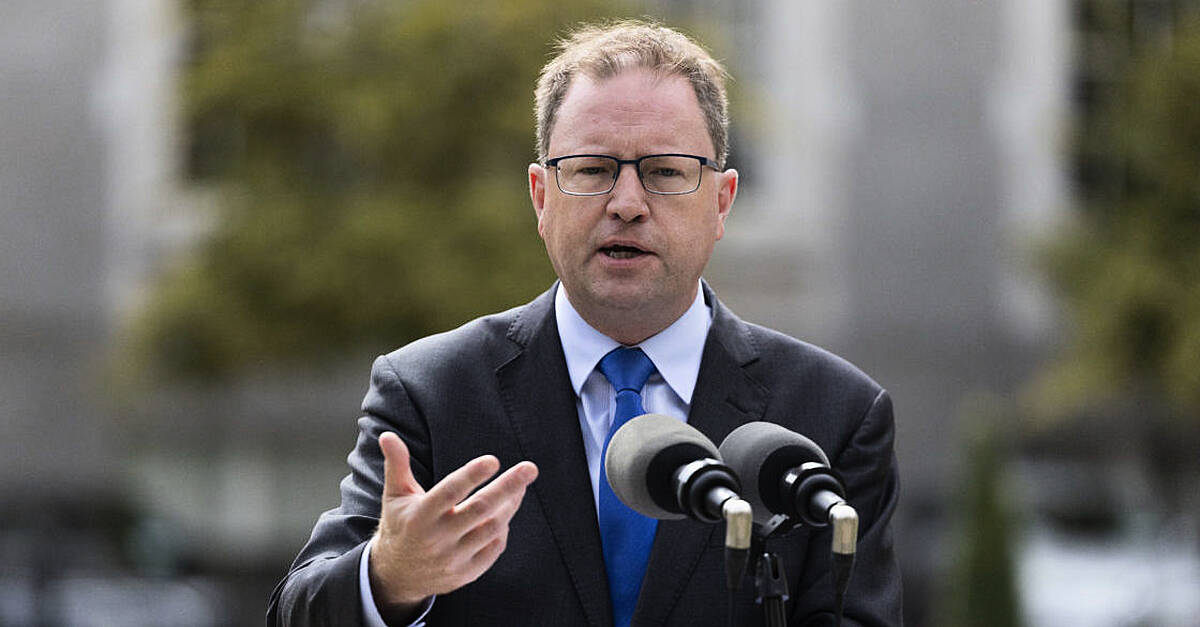
Sinn Féin housing spokesman Eoin Ó Broin. Pic: Gareth Chaney/Collins Photos
‘What the Government need to do is… put a plan in place to ensure there is both an adequate supply of social and genuinely affordable cost-rental homes for these people. Otherwise we are going to have a huge problem over the next couple of years.’
He also said many people who had saved for a personal or occupational pension on top of their State pension would have too much income in retirement to be eligible for social housing.
‘The changes they are about to make to the Rent Pressure Zones (RPZs) are going to make it more difficult for people to afford rent into the future if landlords can reset rents between tenancies.’
Currently in an RPZ, rents can only be increased once every year and not by more than 2% a year, or by the rate of inflation if it is lower.
More people in their 40s, 50s and early 60s are renting than ever before, while the age when people first step onto the property ladder has jumped from 26 in 1996 to over 36 now. Pic: Getty Images
In 1991, the age which marked the changeover between renting and home ownership was 26 and rose to 27 in 2002. Since then, that age has risen quickly, reaching 28 in 2006, 32 in 2011, 35 in 2016 and 36 in 2022.
The average monthly rent now for a two-bed apartment is €2,080 – according to the latest daft.ie report – up from €1,955 a year earlier, a rise of €125 a month, or over 6%.
However, the situation is worse in city locations. In central Dublin average monthly rent for a two-bed apartment is €2,612, in Limerick city it is €2,108, Galway city is €2,081, Cork city is €1,982 and Waterford €1,490.
Royal London Ireland’s Barry McCutcheon explained: ‘Home ownership used to occur much earlier in life, but rising house prices and a chronic housing shortage mean many now rent well into their 30s and beyond.
Soaring rents and rising numbers of older renters are leaving more families financially exposed in the event of an unexpected illness or ‘life shock’, Royal London Ireland, which conducted the research, warned. Pic: Getty Images
‘This shift has significant financial implications. Unlike homeowners, renters lack built-in protections and face greater insecurity if their landlord decides to sell, increasing their vulnerability.
‘As life cover is a requirement when getting a mortgage, families of homeowners with a mortgage are protected if [they] die. Renters may not have the same safety net.’
There was a 35% rise in eviction notices to tenants in the third quarter of this year, compared to the same period in 2024, with 61% due to landlords selling properties.
The number of available rental homes has dropped to just 1,901, down 21% on the same time last year.
The number of renters aged 65-plus doubled between 2011 and 2022, while those in their 40s-60s also increased significantly. Some 13.3% of renters aged 65-plus are at risk of poverty.
Royal London Ireland advised renters, particularly those with children or nearing retirement, to take steps now to reduce their financial vulnerability such as building an emergency fund.









Comments (0)