Breaking The Amazon X Reddit And Wikipedia Barrier, Here Comes ChatGPT
ChatGPT has jumped to the top echelon of the internet. New traffic estimates from Similarweb suggest that the AI chatbot now sees more monthly visitors than Amazon, X, Reddit, WhatsApp and Wikipedia, firmly placing it among the web’s leading destinations.
The milestone is a sign of how quickly conversational AI has gone from novelty to daily utility. In raw visit counts, ChatGPT is now in the top five most visited sites on the planet, behind only Google, YouTube, Facebook and Instagram.
A New Top Five Emerges In Global Web Traffic Rankings
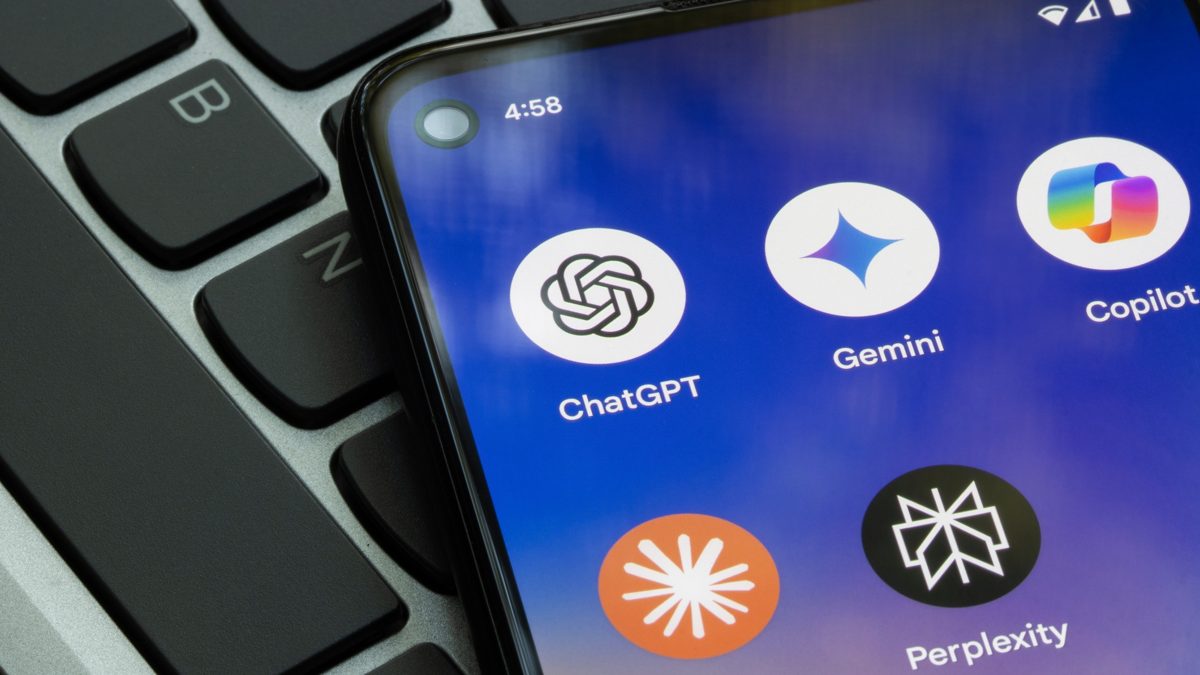
The most recent monthly count from Similarweb has ChatGPT with approximately 6.3 billion visits, or about 76% of all traffic to generative AI platforms. In comparison, Google’s Gemini brings in just above 1 billion visits and a 12.57% share — which is not bad in isolation but a significant distance behind all the same.
Still, other AI entrants are relatively niche by volume. China’s DeepSeek grabs about 4% of generative AI visits, and X’s Grok and AI search upstart Perplexity have slightly more than 2% each. None yet has shown the gravitational pull of OpenAI’s flagship product.
Two pieces of context matter in interpreting the leaderboard. First, these are head counts, not time spent or depth of engagement. Second, the list comprises messaging and marketplace behemoths — apps that have traditionally been tuned for app use — in which a greater proportion of activity could be occurring outside of the open web.
Why Usage Is Surging Across AI Chatbots And Apps
AI chatbot visits increased 76% year over year across the board, and mobile app sessions roughly sextupled, according to Similarweb. That acceleration follows the pattern of actual usage: chatbots have become a shortcut in real-life situations where chat works well, such as search-like inquiries, coding help, writing, data analysis tasks, language learning and customer support.
Generative AI is becoming increasingly integrated into productivity suites and software development pipelines in workplaces. In classrooms and tutoring situations, it’s a study buddy — controversial to some, but undeniably popular. The throughline is convenience: one prompt instead of many tabs and a half-hour of sifting.
The Audience Shares Are Growing Older And Nimbler
The demographic make-up is changing as adoption grows up. Similarweb’s research found that chatbot users aged 18 to 34 fell from prior levels, and the share of traffic coming through sign-ups is steadily declining. In other words, AI chat is no longer overwhelmingly for the early adopter.
The broadening corresponds with UX improvements and clearer guardrails, as well as enterprise licenses that bring entire organizations into regular use. And as interfaces become friendlier and outputs more reliable, the mainstream follows.
Despite its majority share of web traffic, OpenAI is far from resting on its laurels. CEO Sam Altman recently pushed for a return to concentrating on user experience, according to The Wall Street Journal, suggesting that expansion is not enough and the next battle will be over retention as well as reach.
Google’s Gemini 3 has been a strong performer on established benchmarks, and relative newcomers such as Perplexity are gaining traction in answer accuracy and source transparency. Differentiation is going to be increasingly about the quality of responses, playing well with other media, personalization, and requiring less effort from users every day — not just being fast.
What It Means For The Platforms ChatGPT Outperformed
With the rise of AI chat, discovery shifts elsewhere for retailers, social platforms and knowledge hubs. Those queries that used to slide into marketplace search bars, or social feeds, or encyclopedic gaps now start — and sometimes end — in a conversation. That can chip away at referral traffic and alter the way users find products, posts and facts.
It remains to be seen how incumbents will react in the short term, but they can start by either sharpening their own AI layers or shoring up reasons to stay native. Look for more in-app assistants, savvier recommendations and tighter loops among search, content and commerce. For publishers and communities, there is a strategic imperative to optimize content for AI systems that quote, summarize and link back.
The larger takeaway is more obvious: AI chat has moved from side channel to front door. With ChatGPT now outdrawing the internet’s most established brands, the race to own that first encounter — and the trust of those users — has moved into a new phase.