From dough to data: how connected tech is fixing manufacturing's hidden waste problem
Europe’s love for artisanal bread has never been stronger, with the premium product segment within the European bakery market growing annually by around five percent. But for the manufacturers meeting that demand, the pressure is immense.
Squeezed between volatile ingredient costs and persistent labour shortages, bakeries can no longer afford the hidden costs of inefficiency. The biggest culprit is outdated material handling, a problem that silently turns premium ingredients and finished products into waste.
Zebra’s Impact of Intelligent Operations: Manufacturing report found that material movement is a top concern, with over two-thirds of leaders identifying it as an area needing urgent improvement. Of those surveyed, many (35%) want to reduce material damage and waste. Thirty-six percent want to cut operational costs, while a little over half want to increase efficiency. Critically, nearly four out of five are looking to improve inventory access and control.
Those manufacturers that improved material movement reported, on average, nearly two-percentage-point higher revenue growth over the last year compared to those that did not.
Mobile computers and RFID connecting the frontline
To solve these challenges, manufacturers say they benefit most from investing in mobile computers and radio frequency identification (RFID) technologies. These were considered the most important tools for those that have already made improvements in this area.
These solutions make work better every day by connecting the frontline and optimising workflows. Key benefits include providing real-time access to inventory data, reducing manual errors, and enabling seamless communication.
RFID technology provides enhanced asset visibility through automated inventory tracking without needing a direct line of sight. For the bread industry, this means fermentation times can be tracked, ingredient usage can be monitored, and waste can be drastically reduced.
The same RFID technology that has become essential for tracking high-stakes medical supplies is now being deployed to guarantee the freshness and safety of food ingredients. By eliminating thousands of manual touchpoints, it ensures the integrity of every item from the warehouse to the production line.
Deploying mobile computers and RFID together is a force multiplier. Before, a baker’s morning might be spent with a clipboard manually counting sacks of flour—time not spent perfecting their craft.
Today, with real-time inventory on a mobile device, that same baker is alerted the moment a proofing temperature deviates by a single degree, allowing them to save a batch before it’s ruined. This technology does not replace expertise, it unleashes it.
Advanced technologies converging for Industry 4.0
Examples of other advanced technologies elevating material movement are also set to grow. Returning to our bread theme, we see powerful applications:
A bakery solutions provider achieved annual savings of €20,000 by installing scanners on forklifts. This ensured that pallets were correctly identified and routed, freeing up associates for higher-value tasks.
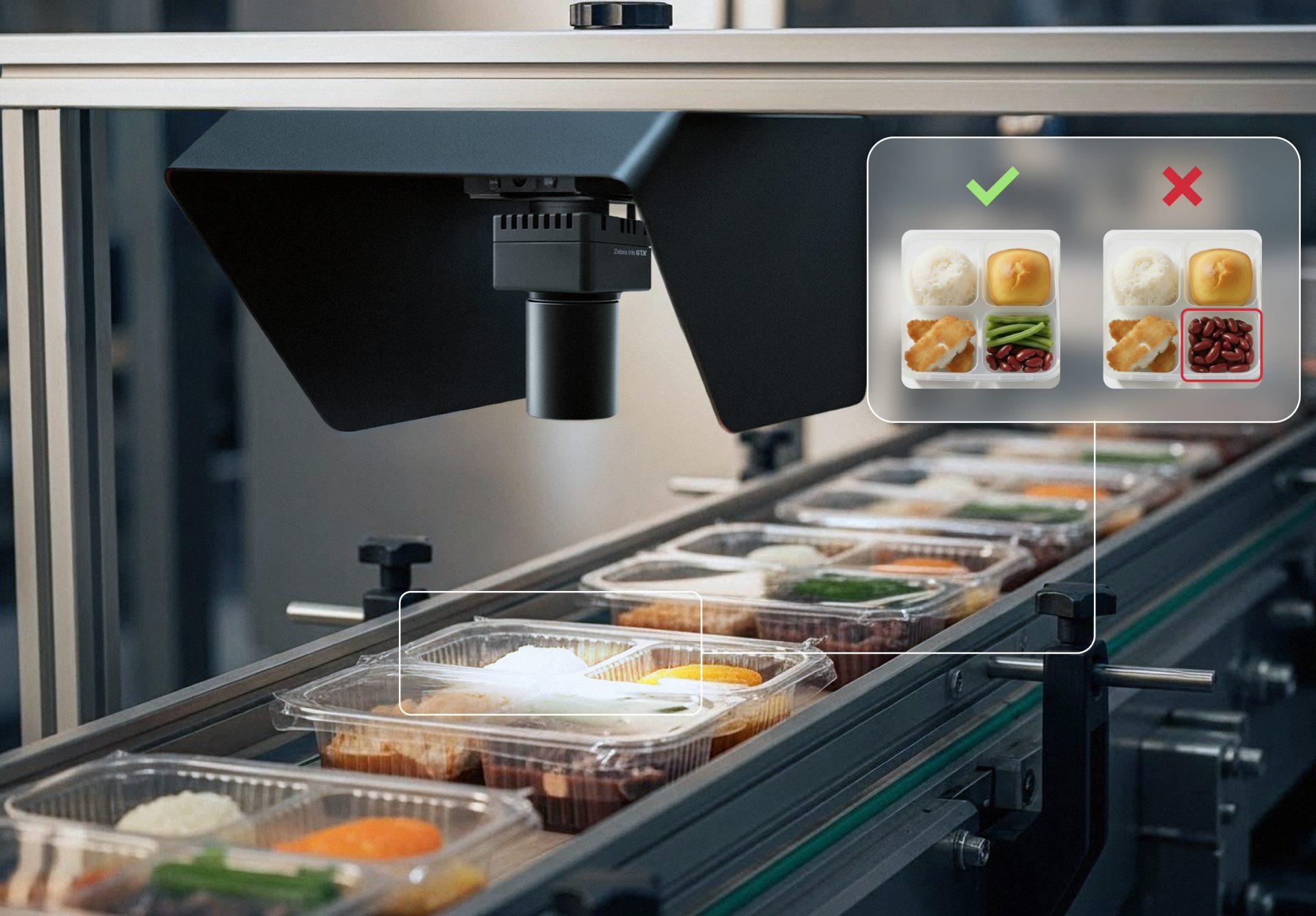
A robotics specialist integrated machine vision with robotic picking to accurately pick semi-transparent bags of bread in unique shapes and sizes. It could pick and place 25-30 items per minute without damage and reducing relative overall costs by 75%.
A large bakery manufacturer used AI-powered demand forecasting to reduce its forecast errors by up to 30%. This helped 20,000 associates maintain quality from the production line to the store. Twenty percent of manufacturers now consider AI essential for material movement, up from 13% two years ago.
Ultimately, the journey of a modern loaf of bread is a story about the future of all specialised manufacturing. Whether producing baked goods, custom electronics, or personalised pharmaceuticals, the challenges are the same: the need for precision, the high cost of waste, and the demand for quality.
The integration of data and automation on the factory floor is no longer an optional upgrade. It is the defining characteristic of the manufacturers who will thrive in the next decade.
Learn more here.
Stephan Pottel, Manufacturing Strategy Director, EMEA, Zebra Technologies
For more articles like this, visit our Automation channel.