


Construction projects and road maintenance activities often create temporary disruptions that affect motorists, pedestrians and workers. Searching for a traffic management company near me can help contractors identify providers offering temporary traffic arrangements, safety equipment and onsite traffic coordination. Similarly, searching for traffic control near me may help locate services for managing vehicle movements around active worksites. Effective traffic management involves assessing potential hazards, developing suitable control measures and maintaining clear communication throughout construction activities.
Assessing Roadwork Traffic Safety Requirements
Road construction can introduce hazards through temporary lane closures, heavy vehicle movements and restricted access points. Assessing these conditions before work begins helps determine suitable traffic management arrangements.
Identifying Potential Road Hazards
Construction teams should examine road layouts, visibility restrictions, pedestrian crossings and surrounding traffic movements.
Early assessments help identify areas requiring additional warning signs, barriers or controlled access arrangements.
Evaluating Existing Traffic Conditions
Traffic volumes, speed limits and nearby intersections influence how temporary traffic restrictions should be organised.
Understanding these conditions can help reduce congestion and maintain safer vehicle movements.
Selecting Suitable Traffic Management Services
Choosing an appropriate provider requires consideration of project complexity, available resources and relevant safety requirements.
When searching for a traffic management company near me, contractors should evaluate whether the provider can support the specific construction activities involved.
Reviewing Professional Qualifications and Experience
Traffic management personnel should have appropriate training and authorisations for their responsibilities.
Experience with similar road environments may also help providers recognise project-specific safety challenges.
Assessing Equipment and Service Availability
Different projects require different arrangements, including temporary signs, safety barriers, traffic controllers and traffic guidance documentation.
Confirming service capabilities helps contractors identify suitable support for planned activities.
Planning Temporary Road Traffic Arrangements
Temporary traffic arrangements help guide motorists around restricted areas while maintaining reasonable access to surrounding roads.
Planning should consider construction schedules, vehicle movements and pedestrian accessibility.
Establishing Temporary Vehicle Routes
Alternative traffic routes may be necessary when construction activities restrict normal vehicle access.
Clear directional signage helps motorists recognise changes and navigate temporary arrangements.
Coordinating Construction Delivery Movements
Heavy vehicle deliveries can create congestion near construction entrances.
Scheduling deliveries according to available unloading space and surrounding traffic conditions helps reduce unnecessary delays.
Implementing Effective Worksite Traffic Controls
Professional traffic control services may assist with implementing temporary restrictions and maintaining safer conditions around roadworks.
Searching for traffic control near me can help identify providers offering relevant onsite services, subject to their qualifications and operational capabilities.
Positioning Appropriate Traffic Safety Equipment
Temporary signs, cones, barriers and delineators provide guidance around active work areas.
Equipment should be positioned according to approved arrangements and applicable safety standards.
Managing Onsite Vehicle Movements
Traffic controllers may assist with coordinating vehicle movements where roadworks affect normal traffic operations.
Clear communication between controllers, construction workers and vehicle operators supports organised worksite activities.
Monitoring Construction Traffic Safety Performance
Traffic management arrangements should be reviewed regularly as construction progresses and road conditions change.
Ongoing monitoring helps identify hazards and determine whether existing controls remain effective.
Conducting Regular Worksite Safety Inspections
Inspections help identify damaged signs, displaced barriers and blocked access routes.
Recording inspection findings supports corrective action and helps maintain consistent safety procedures.
Responding to Changing Traffic Conditions
Weather, altered construction schedules and unexpected congestion may require revised traffic arrangements.
Changes should be assessed and communicated to relevant workers before updated procedures are implemented.
Frequently Asked Traffic Management Questions
What Does a Traffic Management Company Provide?
A traffic management company near me search may identify providers offering temporary traffic planning, qualified traffic controllers, signage, barriers and assistance with roadwork safety arrangements. Available services depend on the provider and project requirements.
When Are Professional Traffic Controllers Required?
Traffic controllers may be required when construction activities affect normal vehicle movements, create temporary road restrictions or require active traffic direction. Specific requirements depend on applicable regulations and assessed worksite risks.
How Can Local Traffic Control Services Be Found?
Searching for traffic control near me may help locate nearby providers. Contractors should compare qualifications, service availability, equipment suitability and experience with similar projects before making arrangements.
Why Are Regular Traffic Inspections Important?
Regular inspections help identify damaged equipment, restricted access and changing road conditions. They also support timely adjustments to temporary traffic controls, helping maintain safer conditions throughout construction activities.
AAA Traffic Control Pty Ltd
10 Coventry Pl,
Mount Druitt NSW 2770,
Australia
(02) 9675 7731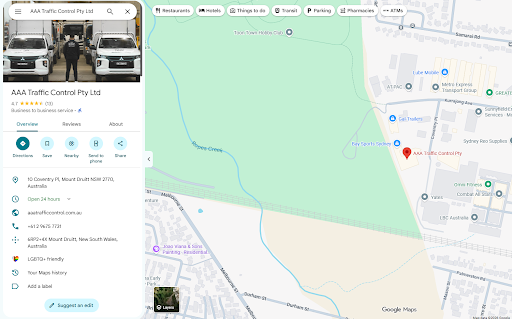
Comments (0)