


How Estimators Can Budget for Traffic Control Equipment Requirements
Accurate budgeting for temporary site resources is an important part of preparing construction and civil infrastructure tenders. traffic control equipment should be assessed alongside site access, construction staging, vehicle movements and pedestrian requirements. Estimators who identify these requirements early can develop more realistic allowances and reduce the risk of unexpected costs during project delivery.
.png)
Review the Project Scope
Begin by examining the full project scope and identifying activities that may affect vehicle or pedestrian movements. Roadworks, excavation, utilities installation, deliveries and changes to site access can each create different resource requirements.
The project duration should also be considered, as longer programmes may increase hire, maintenance, relocation and replacement costs.
Assess Site Conditions
Site conditions can significantly influence equipment quantities and types. Road width, intersections, access points, pedestrian routes, traffic volumes and surrounding activities should all be reviewed.
Estimators should use available site plans, construction documentation and staging information to understand where temporary resources are likely to be required.
Identify Equipment Requirements
Prepare an equipment schedule based on the expected site layout. This may include temporary signs, cones, barriers, delineation devices and pedestrian management resources.
Rather than applying a generic allowance, quantities should reflect the actual project requirements and the number of active work zones.
Consider Construction Staging
Equipment requirements often change throughout a project. An initial stage may involve establishing site access, while later stages could require temporary lane changes, altered delivery routes or pedestrian diversions.
Estimators should review each major construction stage and determine whether resources need to be added, removed or relocated.
Allow for Equipment Quantities
Underestimating quantities can create additional costs during construction. Review the expected length of temporary routes, number of access points, work zones and pedestrian interfaces when calculating quantities.
It can also be useful to identify resources that may need to remain available as spares or replacements.
Consider Hire Duration
For projects using hired resources, the expected hire period should be aligned with the construction programme. Delays or extensions may increase costs if equipment remains on site for longer than initially planned.
Estimators should consider realistic project durations rather than relying solely on the original target completion date.
Include Delivery and Relocation
Equipment costs can extend beyond the basic hire or purchase price. Delivery, collection, installation and relocation may all contribute to the overall allowance.
Where construction staging involves frequent changes, estimators should account for the number of expected relocations rather than assuming a single deployment.
Allow for Changing Requirements
Construction conditions can change because of revised sequencing, additional work, access restrictions or changes to delivery schedules. A suitable contingency may be appropriate where these factors could increase temporary resource requirements.
When reviewing traffic control near me options, project teams should also consider supplier availability and the ability to provide additional resources when site requirements change.
Review Local Availability
Local supply arrangements can influence delivery time, transport costs and the ability to respond to urgent requirements. Estimators should consider whether the required resources are readily available for the project location and programme.
Availability should be assessed alongside pricing, service capacity and expected deployment requirements.
Coordinate With the Construction Programme
The construction programme provides an important reference for budgeting. Mapping equipment requirements against project stages can show when resources will be required and how long they may remain in use.
This approach also helps identify periods where several work zones may operate simultaneously.
Review the Estimate Before Submission
Before finalising a tender or project budget, review the equipment allowance against the latest drawings, staging plans and access arrangements. Confirm that quantities, hire periods, transport, relocation and potential changes have been considered.
A final cross-check with Project Managers and Operations Managers can help identify requirements that may not have been obvious during the initial estimate.
Improving Budget Accuracy
A structured estimating process provides better visibility of temporary resource costs. By reviewing site conditions, staging, quantities, hire periods, logistics and changing requirements, Estimators can develop allowances that better reflect actual project needs.
Effective budgeting requires more than allowing for the initial supply of temporary resources. By assessing quantities, hire periods, delivery, relocation, changing site conditions and traffic control near me options, Estimators can develop more reliable project allowances and support efficient procurement of traffic control equipment.
FAQs
What should Estimators consider when budgeting equipment?
They should consider equipment types, quantities, hire periods, delivery, relocation, replacement and changing site requirements.
Does construction staging affect equipment costs?
Yes. Different stages may require equipment to be added, removed or relocated, affecting overall project costs.
Should delivery costs be included in the estimate?
Yes. Delivery, collection and relocation can contribute to the total cost and should be considered during tender preparation.
Can project delays affect equipment budgets?
Yes. Extended construction periods may increase hire costs and the duration for which temporary resources remain deployed.
Why assess local supply options?
Local availability can affect delivery times, transport costs and the ability to obtain additional resources when project requirements change.
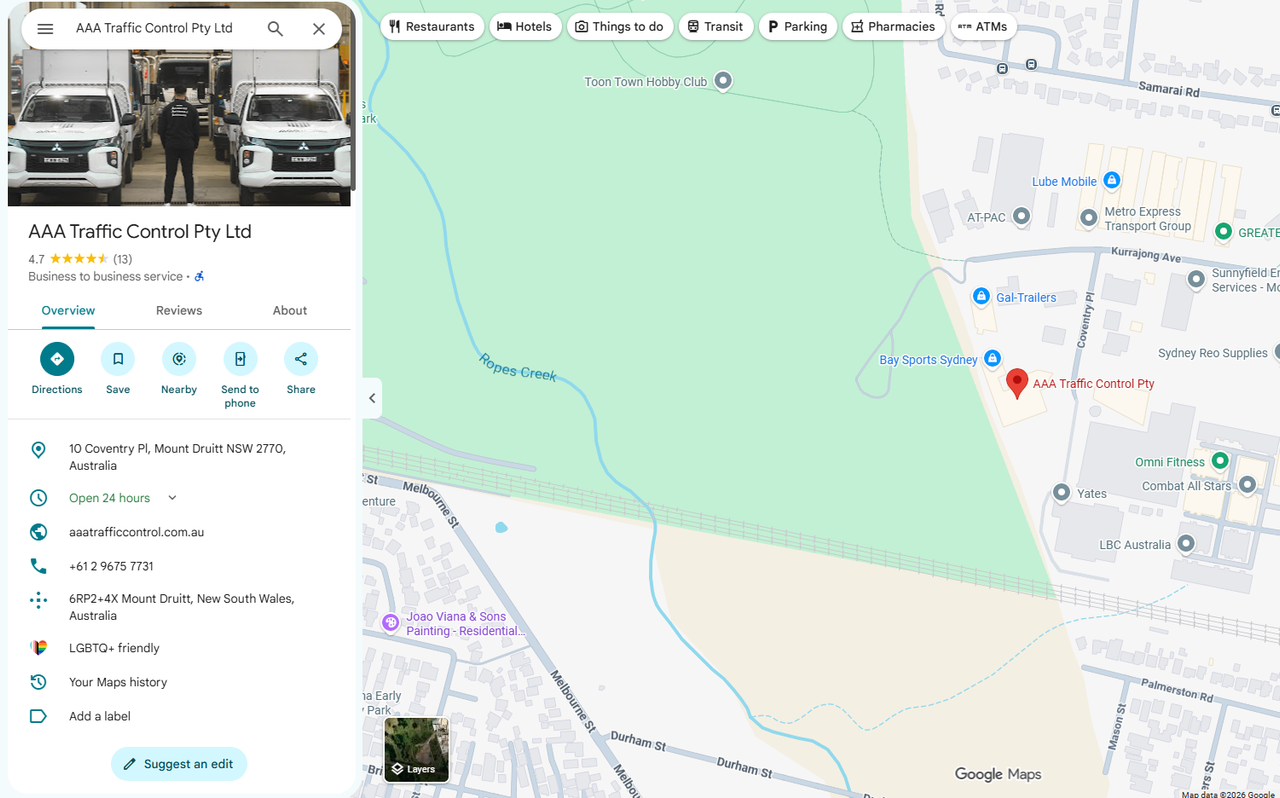
AAA Traffic Control Pty Ltd
10 Coventry Pl,
Mount Druitt NSW 2770,
Australia
(02) 9675 7731
Comments (0)