


Losing weight can be challenging, especially when certain areas of the body retain stubborn fat despite regular exercise and balanced eating habits. Many people look for effective ways to achieve a more defined appearance and feel comfortable in their clothing. Liposuction in Dubai is a commonly searched treatment for body contouring, but an important question remains: does it actually help with weight loss, or is its primary purpose to reshape the body? Understanding how the procedure works, what it can achieve, and how it differs from other weight management treatments helps individuals make informed decisions about their goals.
Understanding Liposuction and Its Purpose
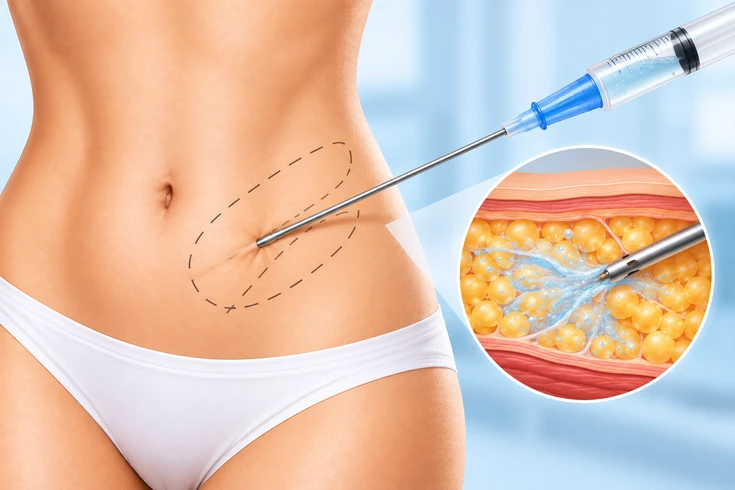
Liposuction is a cosmetic surgical procedure designed to remove localized deposits of fat from specific areas of the body. It focuses on improving body contours rather than producing substantial overall weight reduction. The procedure may be considered when certain fat pockets remain noticeable even after a person has worked toward a healthier lifestyle.
Common treatment areas include the abdomen, waist, hips, thighs, upper arms, back, and chin. By reducing fat deposits in selected locations, the procedure can create smoother body proportions and a more sculpted silhouette.
It is important to understand that body weight and body shape are not the same. A person may have a relatively healthy weight while still experiencing uneven fat distribution. In such cases, body contouring may address the appearance of particular areas without serving as a substitute for a comprehensive weight management plan.
Does Liposuction Actually Help with Weight Loss?
Liposuction can remove fat from targeted areas, which may result in a modest reduction in body weight. However, it is not primarily intended for significant weight loss or the treatment of obesity. Its main purpose is to improve the shape and proportions of the body.
The amount of fat removed depends on individual circumstances, the treatment areas, and the surgical plan. The scale may show a difference after recovery, but the visual improvement in body contours can be more noticeable than the change in total body weight.
For individuals hoping to lose a substantial amount of weight, a structured approach involving sustainable nutrition, physical activity, and professional guidance is generally more appropriate. Liposuction may be considered separately when localized fat remains a concern after weight management goals have been addressed.
How Liposuction Works
Liposuction involves removing unwanted fat through a surgical technique that uses a thin tube called a cannula. The cannula is introduced through small incisions, allowing the surgeon to loosen and remove selected fat deposits.
The exact technique depends on the treatment area, the individual's anatomy, and the intended outcome. The procedure is planned to improve proportions while maintaining a natural-looking appearance.
The process generally involves several stages:
-
Initial assessment: The individual's health, body composition, skin quality, and aesthetic goals are evaluated.
-
Treatment planning: Specific areas are selected according to fat distribution and the desired body shape.
-
Fat removal: The planned procedure removes targeted fat deposits using an appropriate surgical method.
-
Recovery and visible changes: Swelling gradually settles, allowing the new contours to become easier to assess.
The final appearance develops over time rather than immediately. Individual results vary according to healing, skin elasticity, and the amount and location of fat removed.
Liposuction and Weight Loss Treatments: Understanding Both Options
Liposuction and medical or lifestyle-based weight management serve different purposes. Understanding both approaches is essential for anyone deciding which option better matches their needs.
Liposuction for Localized Fat Removal
Liposuction is generally suited to individuals who are near their desired weight but have persistent fat deposits in particular areas. It focuses on body proportions rather than reducing weight throughout the entire body.
For example, a person may maintain a consistent exercise routine and balanced diet yet continue to notice fullness around the abdomen or hips. Liposuction may help reshape those areas when the individual is an appropriate surgical candidate.
However, it does not prevent future weight gain or guarantee permanent body measurements. Maintaining a stable weight can help preserve the results.
Weight Management for Overall Weight Reduction
Weight management treatments focus on reducing overall body weight and improving health-related outcomes. Depending on the individual's circumstances, these approaches may include nutritional guidance, physical activity, behavioral support, prescription treatments when medically appropriate, or bariatric surgery for eligible patients.
Unlike liposuction, these approaches aim to address broader weight-related concerns rather than selectively removing fat from a few locations.
The most suitable option depends on the amount of weight a person hopes to lose, their medical history, and their overall health. A qualified healthcare professional can help determine whether lifestyle-based management, medical treatment, surgery, or a combination of appropriate approaches is suitable.
Benefits of Liposuction for Body Contouring
Although liposuction is not a major weight-loss solution, it may provide meaningful improvements in body shape for suitable candidates.
Improved Body Proportions
Reducing localized fat deposits can help create a more balanced appearance between the waist, hips, abdomen, and other treated areas. The aim is to improve overall proportions rather than achieve an unrealistic body shape.
More Defined Contours
Some individuals find that persistent fat deposits make certain body areas appear less defined. Removing selected fat may create smoother transitions between treated regions and surrounding tissue.
Targeted Fat Reduction
Liposuction allows specific areas to be addressed according to individual anatomy and aesthetic goals. This targeted approach distinguishes it from weight management methods that generally influence body weight more broadly.
Potentially Lasting Results
Fat cells removed during liposuction do not grow back in the same way as untreated fat cells. Nevertheless, remaining fat cells can enlarge when weight increases, potentially changing the results over time. Maintaining a stable weight supports longer-lasting contours.
Who May Be Suitable for Liposuction?
Suitability depends on overall health, body composition, skin elasticity, and expectations. Individuals who are close to a stable, healthy weight and have localized fat deposits may be considered potential candidates.
Good skin elasticity can help the skin adapt to changes in body contours. People with significant loose skin may require a different treatment plan because removing fat alone does not necessarily tighten excess skin.
Liposuction is not intended to treat obesity, replace healthy habits, or guarantee a particular body weight. A detailed medical assessment helps establish realistic expectations and identify the most appropriate approach for each individual.
What Results Can Individuals Realistically Expect?
Results differ according to the treatment area, the amount of fat removed, natural body proportions, and the healing process. Some people notice improved definition around the abdomen, waist, thighs, or arms as swelling decreases.
The number on the scale may change only modestly, even when the visual difference is noticeable. This is why body contouring outcomes are often assessed through changes in shape, measurements, and proportions rather than weight alone.
Liposuction also cannot guarantee that a person will remain at the same weight indefinitely. Significant weight fluctuations can influence the body's appearance, making long-term weight stability an important part of maintaining the outcome.
Frequently Asked Questions
Can Liposuction Replace Diet and Exercise?
No. Liposuction is designed to remove localized fat deposits, not replace balanced nutrition or regular physical activity. Healthy habits remain important for maintaining body composition and supporting general well-being.
Can Liposuction Remove Belly Fat?
Liposuction can remove subcutaneous fat located beneath the skin in the abdominal area. It does not remove visceral fat, which surrounds internal organs, and it is not a treatment for abdominal weight gain caused by underlying medical conditions.
Will Liposuction Prevent Future Weight Gain?
No. Although removed fat cells are eliminated from the treated area, remaining fat cells can enlarge if a person gains weight. Consistent lifestyle habits can help maintain the results.
Is Liposuction Suitable for Someone Who Needs to Lose Significant Weight?
It is generally not intended for people seeking substantial overall weight reduction. Individuals with significant weight-loss goals may benefit more from a medically supervised weight management plan before considering body contouring.
How Long Does It Take to See the Final Results?
Early changes may become noticeable during recovery, but swelling can temporarily affect the body's appearance. Final contours typically become clearer over several weeks to months, depending on the procedure and individual healing.
Conclusion
Liposuction is primarily a body-contouring procedure rather than a solution for substantial weight loss. It can reduce stubborn fat deposits, improve body proportions, and create more defined contours in carefully selected individuals. The difference between localized fat removal and overall weight management is essential when deciding which approach best suits a person's goals. For those researching Liposuction in Dubai, understanding these distinctions can help establish realistic expectations and support informed discussions with a qualified healthcare professional. Ultimately, the most appropriate approach depends on individual health, desired outcomes, and whether the main goal is reducing overall body weight or refining specific areas of the body.
Comments (0)