


Encounters That Change Your Perspective
Some experiences stay with you forever, and seeing a wild polar bear in its natural habitat is one of them. The sheer size, power, and grace of these animals can be breathtaking. Churchill polar bear tours offer some of the most incredible wildlife encounters available anywhere, bringing travelers face to face with the Arctic’s most iconic predator in a safe, respectful way. With Silver Bear Photo Tours, these encounters become opportunities not just to observe but to capture meaningful images that tell the story of life on the edge of Hudson Bay.
The Thrill of the First Sighting
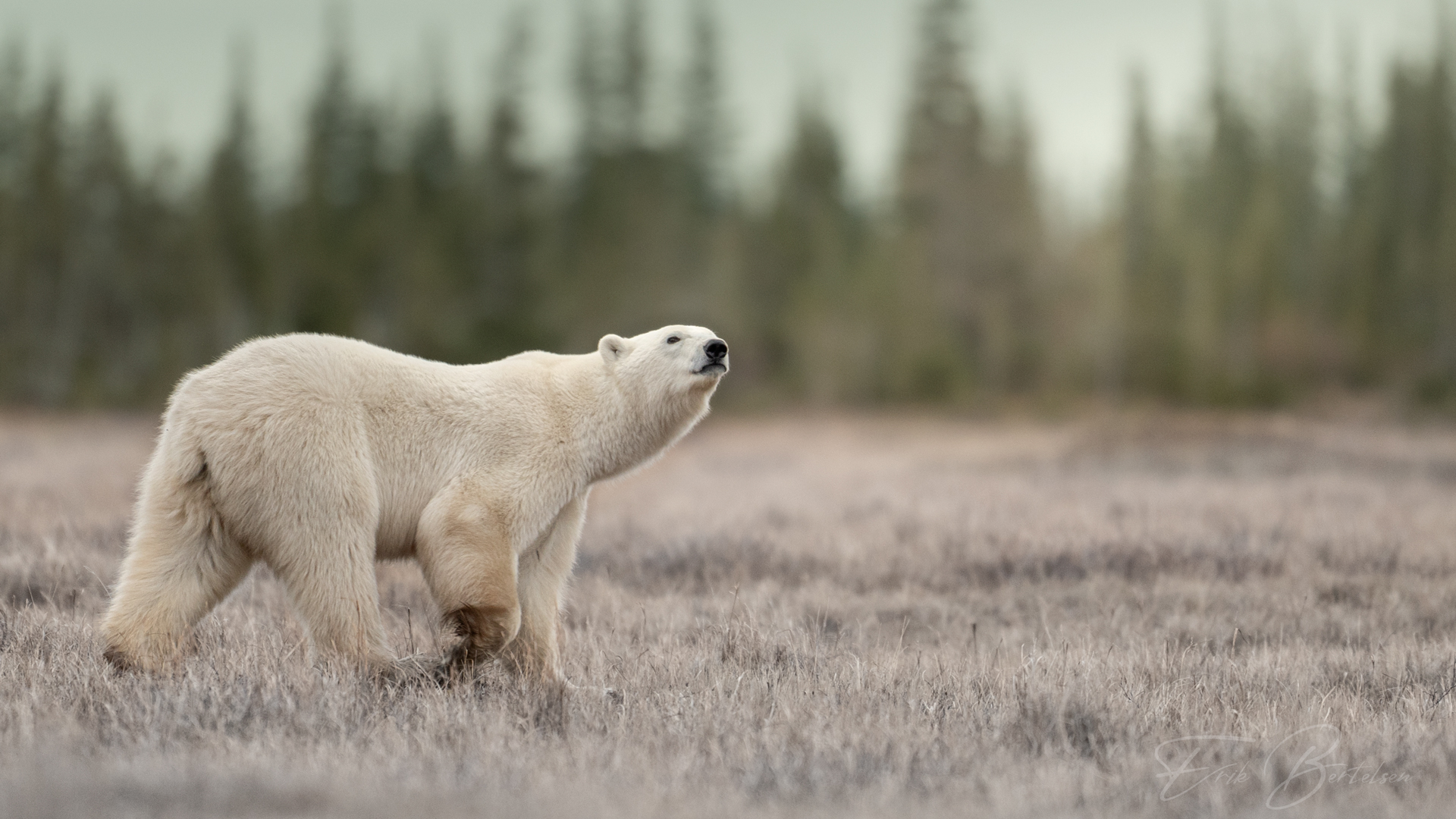
There is something unforgettable about the first moment you spot a polar bear on the tundra. Often it begins as a creamy shape in the distance, slowly becoming clearer as it moves across the snow. Excitement builds as the bear approaches or reveals its behaviour. For many visitors, this first sighting brings a wave of emotion and awe. It is a reminder of how wild and remote the Arctic truly is. Each subsequent encounter brings new surprises, but that first sighting often remains one of the most cherished memories.
Observing Natural Behaviour
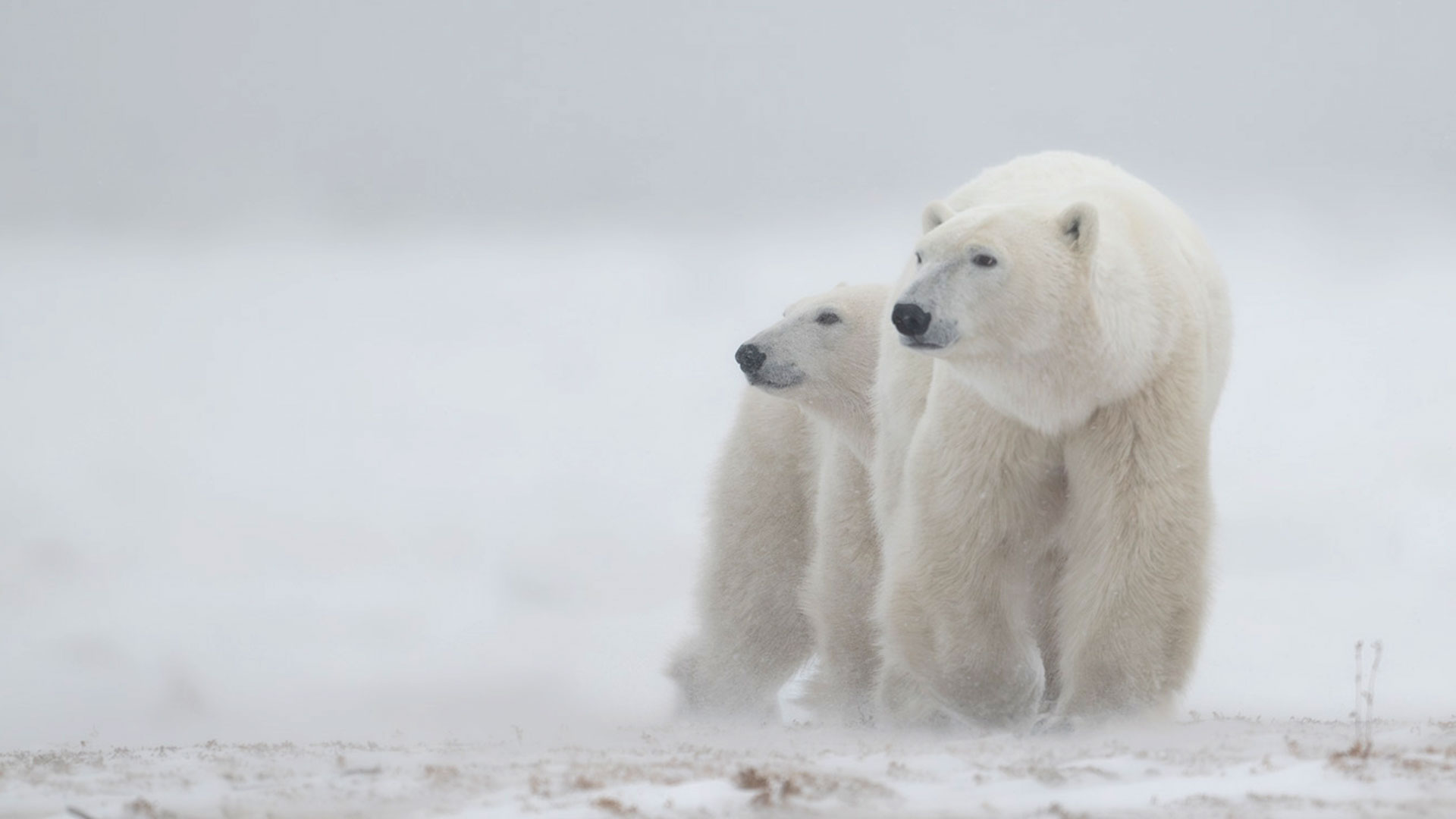
Churchill’s polar bears display a fascinating range of behaviours as they wait for the sea ice. Some rest peacefully in snowy hollows or kelp beds, conserving energy. Others wander the coastline, sniffing the air for scents. Young males often engage in playful sparring matches, rising on their hind legs and wrestling in the snow. Mothers may be seen with cubs, offering heartwarming glimpses of family life. Observing these behaviours provides insight into how polar bears live and adapt, and each encounter offers a unique window into their world.
Safe and Respectful Viewing
Safety is essential when viewing polar bears, which are powerful and potentially dangerous animals. In Churchill, viewing takes place from tundra vehicles designed to keep people safely above ground level while providing excellent views. These vehicles follow established tracks within protected areas to minimise environmental impact. Guests never approach bears on foot. Respectful viewing means staying quiet, avoiding sudden movements, and allowing bears to behave naturally. This careful approach protects both visitors and wildlife, ensuring encounters remain positive and sustainable for years to come.
Other Wildlife Encounters
Beyond polar bears, Churchill’s wilderness offers encounters with many other animals. Arctic foxes in white winter coats may appear suddenly, hunting small prey beneath the snow. Red foxes sometimes roam nearer the forest edge. Snowy owls perch on rocks or posts, scanning the tundra. Willow ptarmigan gather in flocks, their white plumage blending into the landscape. Ravens and gyrfalcons add to the variety. Each of these encounters enriches the experience and highlights the diversity of life in this challenging environment.
Capturing the Moment
For photographers, incredible encounters require readiness. Keeping camera settings prepared for action, using fast shutter speeds, and adjusting exposure for bright snow help ensure moments are captured successfully. Telephoto lenses allow close framing while maintaining safe distances. Patience is essential, as the most remarkable behaviour often comes after long periods of waiting. Silver Bear Photo Tours supports photographers in positioning and technique, helping them turn fleeting moments into lasting images that convey the excitement, beauty, and emotion of wildlife encounters in the Arctic.
Memories and Images to Treasure
Wildlife encounters in Churchill offer more than great photographs; they offer a deeper connection with the natural world. Watching polar bears play, rest, and roam in their habitat leaves a lasting impression. Combined with sightings of foxes, owls, and other Arctic species, these experiences create a rich and memorable journey. With careful planning, respectful viewing, and a photography-focused approach, visitors can return home with images and memories to treasure for a lifetime. Churchill truly offers some of the most incredible wildlife encounters on Earth.
Comments (0)