


Introduction to Silica Gel
Silica gel is a highly porous, amorphous form of silicon dioxide (SiO2) produced by the reaction of sodium silicate with sulfuric acid, followed by washing and drying. Its name is somewhat misleading — the finished product is a hard, granular solid rather than a gel — reflecting the gel-like state of the material during its production before drying. The extraordinary internal surface area of silica gel, typically ranging from 400 to 800 square meters per gram, creates the adsorption capacity that makes it one of the most widely used desiccants and adsorbents in industrial and consumer applications worldwide.
Types and Physical Forms
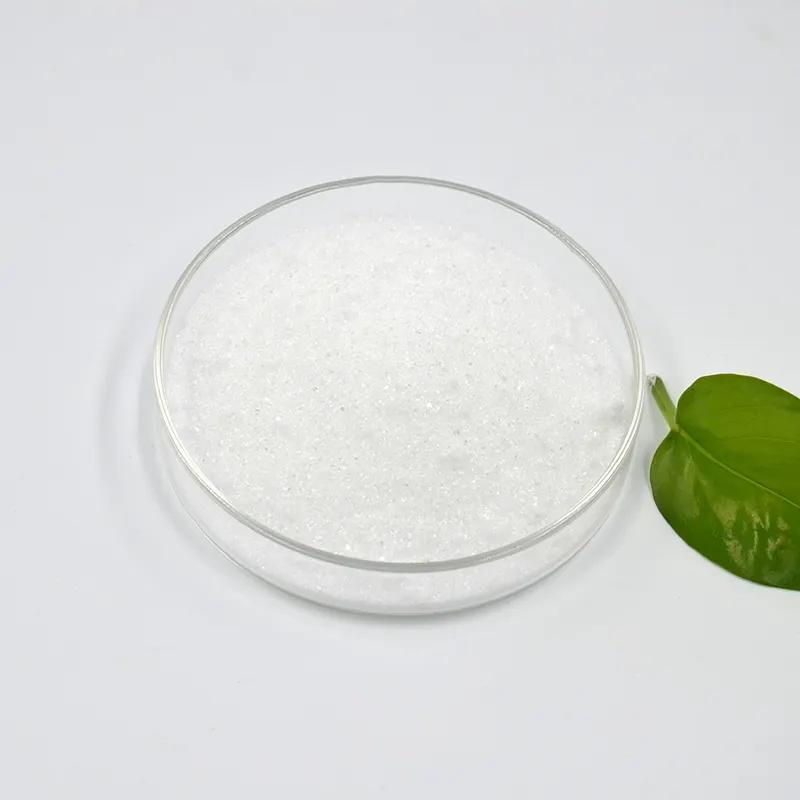
Silica gel is commercially available in several physical forms that serve different applications. Regular density silica gel is a hard, glassy, semi-transparent granular material that is the most commonly encountered commercial form. Low density, high pore volume silica gel is a softer, opaque material with larger pores that provides higher water adsorption capacity per unit weight. Fine powder silica gel is used as a catalyst support and specialty adsorbent. And amorphous silica gel is used as a functional additive in paints, coatings, and polymers for anti-blocking, matting, and free-flow functions.
Desiccant Applications
The primary application of silica gel is as a desiccant — a material that absorbs moisture from its surrounding environment to maintain low humidity conditions. Silica gel desiccant is found in small sachets in packaging for electronics, pharmaceuticals, food products, and various other moisture-sensitive goods. Industrial desiccant applications include compressed air drying, natural gas dehydration, and the conditioning of process gas streams in chemical plants. The primary advantage of silica gel as a desiccant is its large adsorption capacity combined with its chemical inertness, thermal stability, and regenerability.
Chromatography and Analytical Applications
Silica gel is the most widely used stationary phase for thin layer chromatography (TLC) and column chromatography in analytical and preparative chemistry applications. The surface of silica gel provides the polar, adsorptive surface that interacts differentially with different chemical species, allowing their separation based on differential affinity for the silica gel surface versus the mobile phase solvent. Pharmaceutical development, natural product isolation, and fine chemical purification all rely extensively on silica gel column chromatography for the purification of chemical compounds at both laboratory and production scales.
Paint and Coating Applications
The coatings industry uses silica gel as a matting agent in paint formulations. Fine silica gel particles dispersed in a paint film scatter light at the surface of the dried film, reducing the specular reflection that creates high gloss and producing the matte or satin finish that many architectural and industrial coating applications require. The particle size and pore structure of the silica gel grade determines the degree of matting achieved and the texture of the paint film surface, allowing formulators to adjust the gloss level of their formulations precisely.
Industrial Gas Treatment
Natural gas processing operations use silica gel in molecular sieve beds that remove water vapor from natural gas streams before pipeline transportation or liquefaction. Water removal from natural gas is essential because water can form solid hydrate deposits in pipelines and LNG processing equipment that would cause blockages and equipment damage. Silica gel is used in the first-stage drying in some gas treatment systems because of its lower cost relative to molecular sieve zeolites, though molecular sieves are required in applications where very low dew points must be achieved.
Catalyst Support and Specialty Applications
Silica gel's large surface area, controllable pore structure, and chemical functionality make it an important support material for heterogeneous catalysts. Active metal components including platinum, palladium, and various transition metal compounds are dispersed on silica gel supports to create highly active catalysts for numerous chemical reactions. The sil-gel support's surface chemistry can be modified through surface functionalization with organosilane reagents to create materials with specific chemical functionality for specialty catalysis and adsorption applications. Avisachem supplies سیلیکاژل across multiple grades and formats for industrial applications.
Comments (0)