


Most dancers never see how their shoes are made. They notice the fit, the flex, the way a heel sits under the foot—but the processes behind those qualities remain invisible. Suphini has long emphasized handcrafting as the backbone of its production, and the company describes its manufacturing approach as involving eighteen distinct handcrafting processes from start to finish. That number is more than a marketing figure; it reflects the many small decisions that separate a shoe built for actual dancing from one assembled on a conveyor belt. This article walks through what those processes broadly involve, why handcrafting still matters in dance footwear, and what dance brands and studios should understand about the effort behind each pair.
From Measurement to Finished Pair: An Overview of the Journey
The eighteen processes that Suphini describes span the entire production journey, from the moment raw materials arrive to the final inspection before packing. Broadly, the sequence moves through material selection and cutting, upper preparation and stitching, last preparation, lasting and shaping, sole attachment, heel construction, finishing, and quality inspection. Each stage involves hands-on work that machines can assist with but not fully replace—particularly in dance footwear, where tolerances are tight and fit requirements vary enormously between dancers. Understanding this sequence helps clients appreciate why custom orders take time and why sampling matters so much. It also explains why an experienced handcrafting manufacturer can solve fit problems that mass-production factories simply cannot address.
Material Selection and Precision Cutting by Hand
The process begins with materials, and handcrafting starts here. Skilled workers inspect leather, satin, and canvas for flaws, thickness variation, and color consistency before anything is cut. Cutting itself is often done by hand or with hand-guided tools, because dance shoe components are small and curved in ways that make automated cutting wasteful or imprecise. A hand cutter can work around a flaw in a leather hide, orient the material's grain correctly, and nest pattern pieces efficiently. These decisions affect how the finished shoe ages—grain direction, for instance, influences how leather stretches over time. For clients, this stage explains why material quality discussions with a manufacturer matter so much and why sample shoes sometimes reveal subtle differences from later batches.
Upper Construction, Stitching, and Reinforcement
Once cut, the upper components are assembled through a series of stitching and reinforcement steps. This is among the most skill-dependent parts of handcrafting. Stitching must be tight and even, curves must follow the pattern precisely, and reinforcement must be placed where the shoe experiences stress—around the toe box, at the heel counter, and along the sole attachment line. Skilled stitchers adjust tension by feel, something automated machines struggle with on soft dance-shoe materials like satin. Linings and elastic gussets are attached during this phase as well. Errors here are difficult to correct later, which is why quality control during upper construction is critical. Clients evaluating samples should examine this stitching closely, since it reveals the manufacturer's real standards.
Lasting, Shaping, and Sole Attachment Techniques
Lasting is the process of shaping the assembled upper over a wooden or plastic last to give the shoe its final form and fit. Hand-lasting allows workers to pull and secure the upper with controlled tension, producing a shape that matches the last accurately. After lasting, the sole is attached—by stitching, cementing, or a combination depending on the shoe type. Dance footwear often uses split soles for flexibility, and attaching these cleanly by hand requires precision. Heel construction follows, with the heel block positioned and secured so it sits correctly beneath the dancer's weight. These stages directly determine balance, flexibility, and durability, making them the heart of the handcrafting process and the reason sample evaluation should include physical testing.
Finishing, Inspection, and the Details Dancers Notice
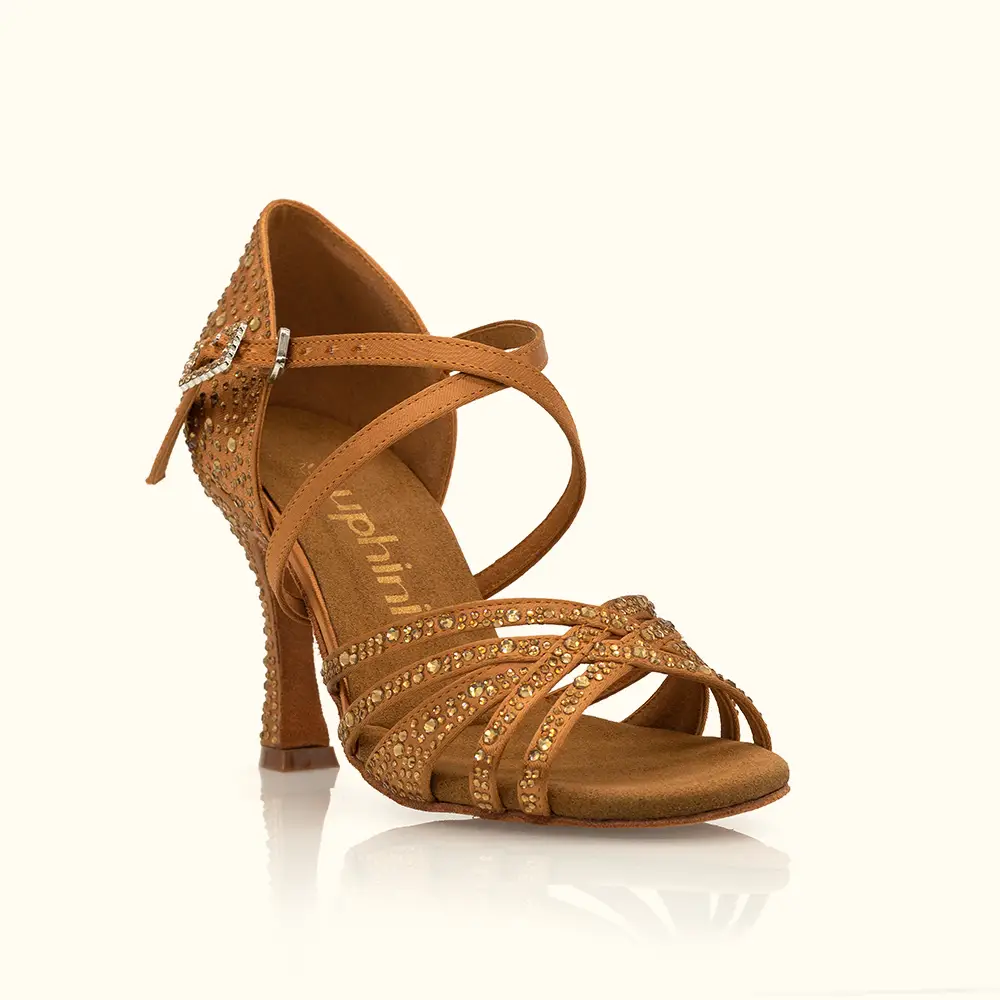
After assembly, shoes pass through finishing stages: edge trimming, burnishing, polishing, and the attachment of decorative elements like straps or buckles. Each step is checked for neatness and symmetry. Inspection comes next, and in a handcrafting operation it typically involves multiple checkpoints rather than one final look—problems caught early are cheaper to fix. Inspectors examine stitching, sole adhesion, heel alignment, material consistency, and sizing accuracy before shoes are approved for packing. For clients, this stage is where the manufacturer's real quality commitment shows. Requesting inspection details and defect tolerances in writing, and reviewing them against delivered orders, keeps standards accountable over time.
Why Handcrafting Still Matters for Dance Brands Today
In an era of automated production, handcrafting survives in dance footwear because the product demands it. Dancers' feet vary enormously, and their movements place stress on shoes in ways that reward careful, adjustable construction. Handcrafting also supports genuine customization—custom lasts, mixed materials, unusual heel heights—that automated lines cannot accommodate economically. Suphini's eighteen-process approach reflects this reality, and it explains why clients can request modifications that would be impossible elsewhere. For brands, handcrafted production offers a credible quality story to tell customers. For studios, it means footwear that supports training rather than hindering it. Understanding the effort behind each pair helps clients plan realistic timelines and evaluate quoted prices with better context.
Working Effectively With a Handcrafting Manufacturer
Clients get the most from a handcrafting relationship when they engage with the process rather than treating it as a black box. Ask manufacturers to explain their production stages, request samples at key milestones, and provide clear specifications and feedback. Recognize that handcrafted production takes longer than mass production and plan orders around recital seasons and launch dates accordingly. Maintain records of approved samples and specifications so repeat orders stay consistent. Finally, respect the craft—skilled handworkers are the reason custom dance shoes exist at all. Brands and studios that understand the eighteen processes behind a Suphini pair tend to make better decisions, build stronger partnerships, and ultimately deliver footwear their dancers genuinely value.
Comments (0)