


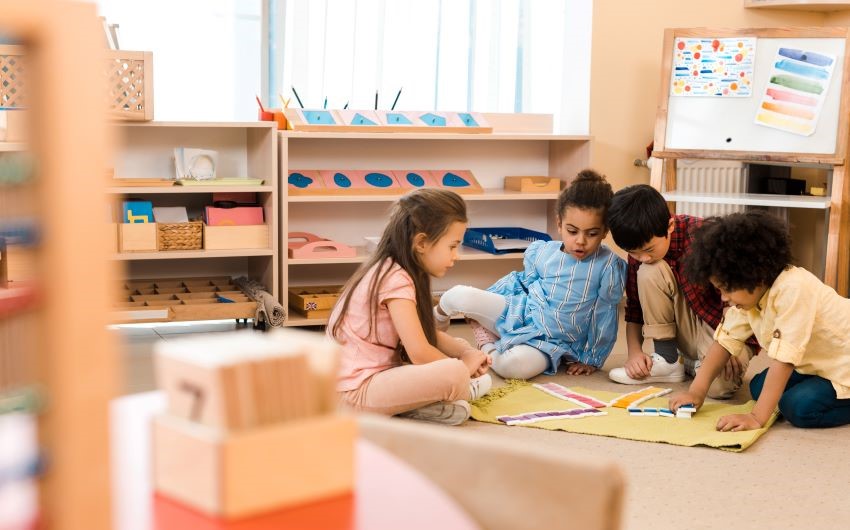
A child’s early learning experience can shape confidence, curiosity, and future academic success. Parents often look for programs that offer more than basic instruction and provide a strong foundation for growth. Choosing the right Davie VPK program means understanding what creates a positive and productive classroom environment. Effective classrooms help children build essential skills while encouraging creativity, social development, and a genuine love for learning.
The Importance of a Strong Learning Environment
An effective classroom begins with a welcoming and organized learning space. Young children learn best when they feel safe, respected, and encouraged to participate in daily activities.
A well-designed environment supports both structured lessons and independent exploration. Learning centers, age-appropriate materials, and clear routines help children understand expectations while giving them opportunities to discover new interests.
Qualified and Caring Teachers Make a Difference
Teachers play a central role in the success of any early childhood education program. Their ability to guide, encourage, and support students influences how children view learning from an early age.
Experienced educators understand child development and know how to adapt lessons to different learning styles. They create meaningful interactions that help children feel valued and motivated throughout the day.
Building Positive Teacher-Student Relationships
Strong relationships help children develop trust and confidence. When teachers listen carefully and respond with patience, students feel comfortable expressing themselves.
Positive connections also encourage children to participate in classroom discussions, ask questions, and engage more actively in learning activities.
A Balanced Curriculum Supports Growth
An effective curriculum addresses multiple areas of development rather than focusing on academics alone. Children need opportunities to strengthen social, emotional, physical, and cognitive skills.
A quality VPK program combines literacy, math, science, creative arts, and social learning into daily instruction. This balanced approach helps children gain a broad range of abilities before entering kindergarten.
Encouraging Early Literacy Skills
Reading readiness is an important part of early education. Teachers can support literacy by reading aloud, introducing new vocabulary, and encouraging conversations throughout the day.
Storytelling, songs, and interactive reading activities help children build language skills while making learning enjoyable and engaging.
Developing Foundational Math Concepts
Young learners benefit from hands-on math experiences. Counting games, sorting activities, and pattern recognition exercises help children understand basic mathematical ideas.
These activities build confidence and create a strong foundation for future academic success in elementary school.
Hands-On Learning Keeps Children Engaged
Children learn best when they actively participate in the learning process. Interactive experiences help them connect concepts with real-world situations.
Activities involving movement, exploration, and creativity often generate higher levels of engagement than passive instruction. Children remember lessons more effectively when they can see, touch, and experience new ideas.
Learning Through Play
Play-based learning remains one of the most effective teaching strategies for preschool-aged children. Through guided play, children develop problem-solving skills, communication abilities, and creativity.
Role-playing activities, building projects, and imaginative games encourage children to practice important life skills while having fun.
Social and Emotional Development Matters
Academic readiness is important, but emotional growth is equally valuable. Effective classrooms help children understand feelings, manage emotions, and develop healthy relationships.
Teachers create opportunities for cooperation through group activities, partner projects, and classroom responsibilities. These experiences teach children how to work together and resolve conflicts respectfully.
Building Self-Confidence
Children thrive when they experience success and receive encouragement. Positive reinforcement helps students recognize their strengths and continue developing new skills.
Simple accomplishments, such as completing a task independently or helping a classmate, contribute to greater self-confidence and resilience.
Consistent Routines Create Stability
Predictable schedules help young learners feel secure throughout the school day. Children become more comfortable when they understand what comes next and what is expected of them.
Daily routines also reduce anxiety and improve classroom management. Teachers can spend more time teaching and less time redirecting behavior when clear expectations are consistently reinforced.
Supporting Independence Through Structure
Structured routines encourage children to complete tasks independently. Activities such as cleaning up materials, following directions, and transitioning between lessons help develop responsibility.
These habits prepare students for the increased expectations they will encounter in kindergarten and beyond.
Family Involvement Strengthens Learning
Parents and caregivers play a vital role in a child's educational journey. Effective classrooms recognize the importance of maintaining strong communication with families.
Regular updates, conferences, and classroom events help parents stay informed about their child's progress. Strong partnerships between educators and families create consistent support systems that benefit young learners.
Ways Families Can Support Learning at Home
Families can reinforce classroom lessons through simple daily activities. Helpful strategies include:
- Reading together every day
- Encouraging conversations about school experiences
- Practicing counting during routine activities
- Creating a consistent bedtime routine
- Providing opportunities for creative play
These small efforts can strengthen skills and build confidence outside the classroom.
Individualized Support Helps Every Child Succeed
Every child enters preschool with unique strengths, interests, and learning needs. Effective educators recognize these differences and adjust instruction accordingly.
Individualized support allows children to progress at an appropriate pace. Teachers can identify areas where additional guidance is needed while continuing to challenge students who are ready for more advanced activities.
Recognizing Different Learning Styles
Some children learn best through visual materials, while others prefer hands-on experiences or verbal instruction. Effective teachers use a variety of methods to ensure all students remain engaged.
This flexible approach helps create an inclusive environment where every child has opportunities to succeed.
Classroom Resources Enhance Educational Experiences
The quality of classroom materials can significantly impact learning outcomes. Children benefit from access to books, educational games, art supplies, science tools, and technology that supports age-appropriate instruction.
A variety of resources keeps lessons interesting and encourages exploration. Well-maintained materials also help create a professional and organized learning environment.
Creating Meaningful Learning Centers
Learning centers provide children with opportunities to explore specific subjects independently or in small groups. Popular centers often focus on reading, art, science, dramatic play, and building activities.
These dedicated spaces encourage curiosity while allowing teachers to provide targeted instruction when needed.
Effective Communication Encourages Growth
Clear communication supports positive relationships among teachers, students, and families. Children benefit when expectations are communicated consistently and respectfully.
Teachers who provide regular feedback help students understand their progress and celebrate achievements. Parents also gain valuable insights that allow them to support learning goals at home.
Preparing Children for Kindergarten Success
One of the primary goals of preschool education is preparing children for a successful transition into kindergarten. Effective classrooms focus on building both academic and life skills needed for future learning.
Children develop the ability to follow instructions, work with peers, solve problems, and complete tasks independently. These skills often contribute to smoother transitions and greater confidence when entering elementary school.
Skills Children Gain Before Kindergarten
A strong early education program helps children develop:
- Letter and sound recognition
- Basic counting and number concepts
- Communication and listening skills
- Fine motor coordination
- Social interaction abilities
- Problem-solving techniques
- Self-help and independence skills
These competencies support long-term educational success and personal growth.
The Role of Continuous Improvement in Classroom Quality
Effective classrooms do not remain static. Teachers regularly evaluate instructional methods and look for ways to improve student outcomes.
Professional development, collaboration with colleagues, and ongoing assessment help educators refine their practices. This commitment to improvement ensures children continue receiving high-quality educational experiences.
Conclusion
An effective VPK classroom does much more than prepare children academically. It creates a supportive environment where young learners develop confidence, curiosity, communication skills, and positive social habits. Skilled teachers, engaging learning activities, consistent routines, family involvement, and individualized support all contribute to a successful educational experience. When these elements work together, children gain the foundation they need for future success in school and beyond. Parents who understand these characteristics can make informed decisions and choose a learning environment that supports their child's growth, development, and lifelong love of learning.
Comments (0)