


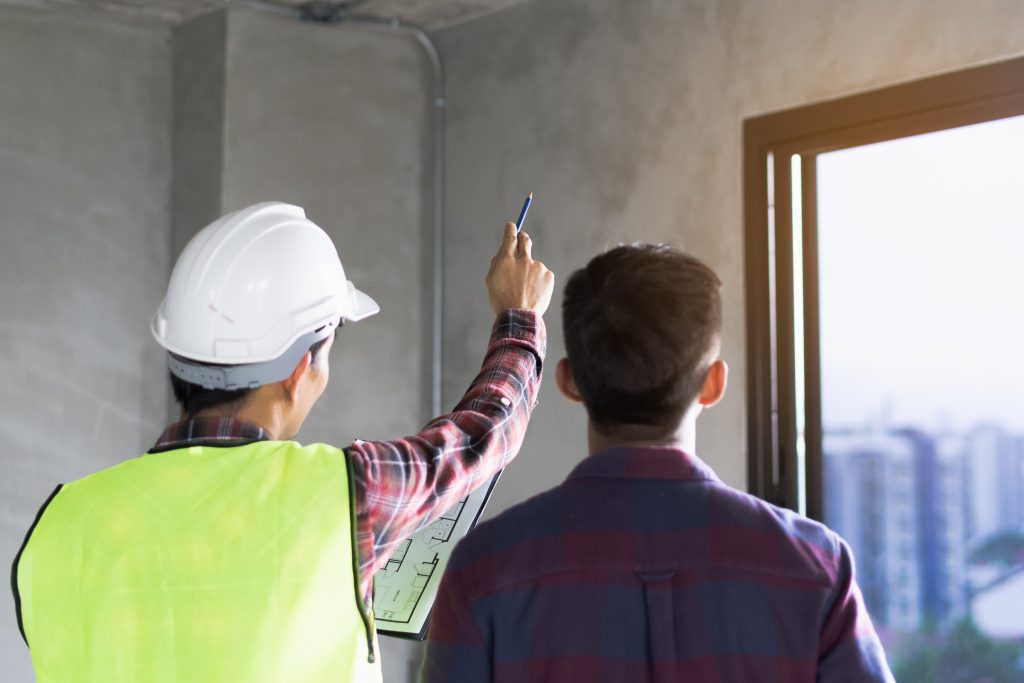
A beautiful home can hide expensive problems behind fresh paint, new flooring, or carefully staged rooms. Buyers who focus only on appearance may overlook structural, electrical, plumbing, or safety concerns that can become costly later. Hiring building inspection services near me gives buyers an informed view of the property's actual condition. A professional inspection helps you understand potential repairs, negotiate with confidence, and decide whether the property is worth the investment.
A Building Inspection Reveals Hidden Problems
A home may look perfectly maintained during a viewing, yet important defects can remain out of sight. Cracks behind furniture, moisture beneath flooring, damaged roof components, or outdated electrical systems may not be obvious to an untrained buyer. A professional inspection provides a closer examination of these areas.
Building inspectors assess the property's condition using experience, knowledge, and inspection procedures designed to identify visible defects. Their findings can help buyers understand which issues need immediate attention and which concerns may require monitoring over time.
This information matters because home purchases involve much more than the sale price. A property that appears affordable could require thousands of dollars in repairs shortly after closing. Identifying those concerns early gives the buyer an opportunity to make a more informed decision.
Protecting Your Investment Before Closing
Buying a home is one of the largest financial commitments many people make. A building inspection adds an important layer of protection by giving buyers a clearer picture of what they are purchasing.
An inspection does not guarantee that a home will remain problem-free. Instead, it provides an assessment of visible conditions at the time of the inspection. That distinction is important because normal wear, hidden defects, and future damage can still occur.
Understanding Repair Costs
Inspection findings can help buyers estimate potential expenses. A minor plumbing leak may be manageable, while evidence of significant water intrusion could require a much larger repair budget.
Buyers can use the inspection report to separate urgent concerns from routine maintenance. This makes it easier to plan financially rather than discovering unexpected expenses after moving in.
Supporting Better Negotiations
Inspection results can also influence negotiations. Serious defects may provide a reasonable basis for requesting repairs, seeking a price adjustment, or discussing other terms with the seller.
A buyer should avoid treating every inspection comment as a reason to demand concessions. Some findings are normal for an older property. The goal is to understand significant problems and use reliable information when discussing the purchase.
What Building Inspectors Typically Examine
The exact scope of an inspection depends on the property, inspection agreement, and local requirements. Still, qualified building inspectors commonly examine many major components that affect safety, function, and maintenance.
Structural Components
The inspector may look at the foundation, visible framing, floors, walls, ceilings, and other accessible structural elements. Signs such as unusual movement, major cracking, water damage, or deterioration can indicate concerns that deserve further evaluation.
Structural problems deserve careful attention because repairs can be complex and expensive. An inspector may recommend evaluation by a structural engineer when an issue falls outside the inspection's normal scope.
Roofing and Exterior Areas
Roofing problems can lead to leaks, insulation damage, mold growth, and deterioration inside the home. Inspectors generally examine accessible roof surfaces and components for visible signs of damage or wear.
Exterior walls, windows, doors, drainage, decks, balconies, and other accessible areas may also receive attention. Proper drainage is especially important because water that collects near the foundation can contribute to long-term problems.
Plumbing Systems
A home inspection can identify visible plumbing leaks, damaged fixtures, drainage concerns, water pressure issues, and other conditions that may require attention. Inspectors may also examine accessible water heaters and related components.
These findings can help buyers understand the condition of essential plumbing systems. Serious concerns may justify additional evaluation by a licensed plumbing professional.
Electrical Systems
Electrical problems can create both safety and financial concerns. Inspectors may review accessible wiring, panels, outlets, switches, grounding, and other components within the inspection's defined scope.
Older homes deserve particular attention because electrical systems may have been modified over several decades. An inspector can identify visible concerns and recommend further assessment when specialized electrical work is necessary.
Heating, Cooling, and Ventilation
Comfort systems can represent a significant replacement expense. Inspectors typically evaluate accessible heating and cooling equipment, ventilation components, and visible operating conditions.
The inspection can reveal signs of poor maintenance, unusual operation, damaged components, or equipment nearing the end of its expected service life. Buyers can then consider future maintenance or replacement costs when evaluating the property.
Safety Concerns Should Receive Special Attention
A home inspection is not simply about finding items that need repair. It can also identify conditions that may affect the safety of residents.
Loose railings, damaged steps, exposed wiring, missing safety features, inadequate ventilation, and other hazards can create unnecessary risks. Addressing these concerns early can make the property safer and prevent avoidable problems.
Water Damage and Moisture
Moisture deserves particular attention because it can affect several parts of a home at once. Leaks around roofs, windows, plumbing fixtures, foundations, or drainage areas can contribute to deterioration and indoor air-quality concerns.
Building inspectors may identify visible evidence of moisture, such as staining, damaged materials, or signs of previous leaks. Specialized testing may be recommended when the suspected problem requires equipment or expertise beyond a standard inspection.
Potential Environmental Concerns
Certain properties may require additional testing for conditions that a standard inspection cannot fully evaluate. Depending on the home's location, age, construction, and history, buyers may consider specialized assessments for issues such as radon, asbestos, lead-based paint, or other environmental hazards.
These services are usually separate from a general inspection. Buyers should ask what the inspection includes and arrange additional testing when the property's circumstances make it appropriate.
An Inspection Helps Buyers Plan With Confidence
A detailed inspection report can become a useful planning document after the purchase. Not every finding requires immediate action, but understanding the property's maintenance needs helps homeowners prioritize future work.
For example, a report might identify aging exterior materials that remain functional but may need replacement within several years. Knowing this in advance allows the homeowner to budget gradually instead of facing an unexpected expense.
The report can also help buyers create a maintenance schedule. Small issues can often be addressed before they develop into larger problems, potentially reducing long-term repair costs.
Choosing Qualified Building Inspectors
The quality of an inspection depends heavily on the professional performing it. Buyers should take time to evaluate an inspector's qualifications, experience, inspection scope, and reputation.
Check Qualifications and Experience
Look for inspectors who have appropriate training, professional credentials, and experience with properties similar to the one being purchased. Local knowledge can also be valuable because construction practices and common property issues vary by region.
Ask what standards or procedures the inspector follows and whether the service includes a written report. Clear documentation makes the findings easier to understand and discuss with other professionals.
Understand What the Inspection Includes
A standard inspection does not cover every possible property issue. Buyers should review the agreement carefully to understand which areas are included, which components are excluded, and what limitations apply.
Questions worth asking include:
- Which systems and structures will be inspected?
- Are roofs, attics, crawl spaces, and foundations included?
- What type of report will the buyer receive?
- Are specialized tests available separately?
- How quickly will the report be delivered?
Clear answers can prevent misunderstandings and help buyers select an inspection service that matches their needs.
Schedule the Inspection at the Right Time
Timing can make an inspection more useful. Buyers generally want enough time to review the findings and consider their options before completing the purchase.
Scheduling the inspection during the appropriate stage of the transaction allows buyers to respond to significant discoveries according to the terms of their purchase agreement. Local real estate practices and contract deadlines can vary, so buyers should coordinate timing with their real estate professional.
Attending the inspection, when permitted, can also be helpful. Buyers can ask questions, observe areas of concern, and learn basic maintenance information directly from the inspector.
Do Not Skip an Inspection for a New Home
New construction can create a false sense of security. A newly built property may still have workmanship issues, incomplete items, installation errors, or components that require correction.
An independent inspection gives the buyer another perspective beyond the builder's own quality-control process. Finding problems before closing can make it easier to request corrections while contractors are still involved with the project.
A pre-closing inspection can also identify unfinished work that might otherwise be overlooked. Buyers should keep realistic expectations, however, because construction inspections and standard home inspections may have different scopes.
Use the Inspection Report Wisely
Receiving a long report can feel overwhelming, especially for first-time buyers. The most effective approach is to organize the findings according to urgency, cost, safety, and potential impact on the property.
Major structural concerns, active water intrusion, serious electrical hazards, and significant safety problems typically deserve more attention than cosmetic imperfections. Routine maintenance items should be recorded but viewed in proportion to their actual importance.
Discuss complicated findings with qualified specialists when necessary. A building inspector can identify a concern, but specialized professionals may be better suited to determine the exact cause, repair method, and cost.
Final Considerations Before Buying
A building inspection should be viewed as an information-gathering step rather than a pass-or-fail test. Most homes have some imperfections, particularly older properties. The important question is whether those conditions are acceptable, manageable, and financially realistic for the buyer.
Strong preparation also improves the inspection process. Keep the purchase agreement, property disclosures, previous repair records, and questions ready so you can compare the inspector's observations with information already provided by the seller.
Taking a careful approach can prevent an emotional purchase from becoming a financial burden. A home should fit both your lifestyle and your budget, including the maintenance and repair responsibilities that come with ownership.
Conclusion
Buying a home involves more than choosing the right neighborhood, floor plan, and asking price. The property's hidden condition can have a major effect on your finances and future comfort. A professional inspection helps uncover visible concerns involving structure, roofing, plumbing, electrical systems, moisture, safety, and other important components. Experienced building inspectors also provide useful information for repair planning and negotiations. Taking time to arrange an independent inspection gives buyers a stronger understanding of the property before committing to the purchase. That knowledge can make the final decision more practical, confident, and financially responsible.
Comments (0)