


Build a Safer Environment Around the Work Site
Construction and infrastructure projects involve constant movement of workers, machinery, delivery vehicles and the general public. Without proper traffic planning, these movements can create serious safety risks. Hiring a traffic management company near me can help project managers establish clear and controlled movement around active work zones.
Professional traffic management teams assess the location, identify possible hazards and develop appropriate measures for managing vehicles and pedestrians. This provides workers and road users with clearer directions while helping reduce confusion around the site.
Reduce Conflicts Between Road Users
Construction vehicles may need to enter busy roads, reverse into restricted areas or cross pedestrian routes. Professional traffic control can help manage these movements through trained personnel, appropriate signage, barriers and designated access points.
Keep Traffic Moving During Construction
Roadworks and construction activities can affect normal traffic flow by reducing lanes, changing access points or temporarily restricting sections of a road. Without proper planning, even a relatively small work site can contribute to congestion and delays.
Professional traffic management considers existing traffic conditions and construction requirements when developing suitable arrangements.
Plan for Different Stages of Work
Traffic requirements can change as construction progresses. An excavation stage may require different controls from a delivery stage or road resurfacing activity.
A professional team can review these changes and adjust traffic arrangements when necessary. This helps ensure that controls remain suitable throughout the project instead of relying on one arrangement from beginning to end.
Improve Pedestrian Safety
Pedestrians can be particularly vulnerable around construction sites. Temporary footpath closures, moving vehicles, uneven surfaces and restricted visibility can make normal routes more difficult to navigate.
Professional traffic management takes pedestrian movement into account when planning work zones.
Provide Clear Alternative Routes
When a footpath or crossing needs to be changed, road users should be given clear information about alternative routes. Signs, barriers and controlled crossing points can help pedestrians understand where they should move safely.
This is particularly important for projects located near businesses, schools, public transport areas and busy pedestrian routes.
Manage Construction Vehicle Movements
Large trucks, cranes and other construction vehicles often require additional space to enter, exit and manoeuvre around a work site. Poorly managed vehicle movements can create risks for workers, pedestrians and other motorists.
Traffic management planning can help determine suitable entry points, exit routes and movement procedures.
Coordinate Deliveries More Effectively
Construction deliveries can create temporary congestion when several vehicles arrive at the same time or when trucks need to wait on public roads. Planning delivery movements can help reduce these issues.
A traffic management team can consider vehicle sizes, site access, surrounding traffic and suitable delivery periods when developing a movement strategy.
Support Safer Work Zones
A properly organised work zone gives road users clearer information about what is happening ahead. Signs, cones, barriers, temporary markings and traffic controllers can work together to guide motorists through changing conditions.
Improve Driver Awareness
Drivers approaching construction areas need enough time to understand changes to the normal road layout. Clearly positioned signs and appropriate traffic controls can help them slow down, change lanes or follow an alternative route when required.
Consistent traffic controls can also reduce sudden manoeuvres and confusion near work areas.
Help Meet Traffic Management Requirements
Safety is closely connected with compliance. Construction projects affecting public roads may need to meet requirements established by relevant authorities and road agencies.
Professional traffic management providers understand the importance of appropriate planning, documentation and implementation.
Prepare Appropriate Traffic Documentation
Depending on the project, documentation may include Traffic Management Plans, Traffic Guidance Schemes, Construction Traffic Management Plans or Vehicle Movement Plans.
Having appropriate documentation prepared for the specific project can help construction teams understand how traffic should be managed during different stages of the work.
Respond to Changing Conditions
Construction environments are rarely static. Weather conditions, unexpected deliveries, changes to construction schedules and alterations to work zones can all affect traffic arrangements.
A professional traffic management team can monitor these changes and recommend adjustments where necessary.
Maintain Consistent Communication
Communication between traffic controllers, site supervisors, contractors and project managers is essential. Everyone should understand changes to access, vehicle movements and temporary traffic controls.
Clear communication can help prevent misunderstandings that could otherwise create unnecessary safety risks.
Choose Experience Over Temporary Solutions
Traffic management should be treated as an important part of project planning rather than an afterthought. An experienced provider can consider the complete environment surrounding the work area and develop solutions based on actual site conditions.
When comparing providers, look at their industry experience, trained personnel, planning capabilities, equipment, availability and understanding of local requirements.
A professional approach can provide more than traffic control on the day. It can support safer planning, better coordination and smoother project operations from the beginning of construction through to completion.
FAQs
How does professional traffic management improve construction safety?
It helps organise vehicle and pedestrian movements, identify potential hazards and introduce appropriate controls around active work zones.
Can traffic management help reduce traffic congestion?
Yes. Proper planning can help manage lane restrictions, construction vehicle movements, deliveries and temporary road changes to minimise unnecessary disruption.
Why are trained traffic controllers important?
Trained traffic controllers can manage vehicle movements, communicate instructions and respond to changing conditions around construction areas.
When should traffic management planning begin?
Traffic management should ideally be considered during the early planning stages so potential safety, access and traffic flow issues can be identified before construction starts.
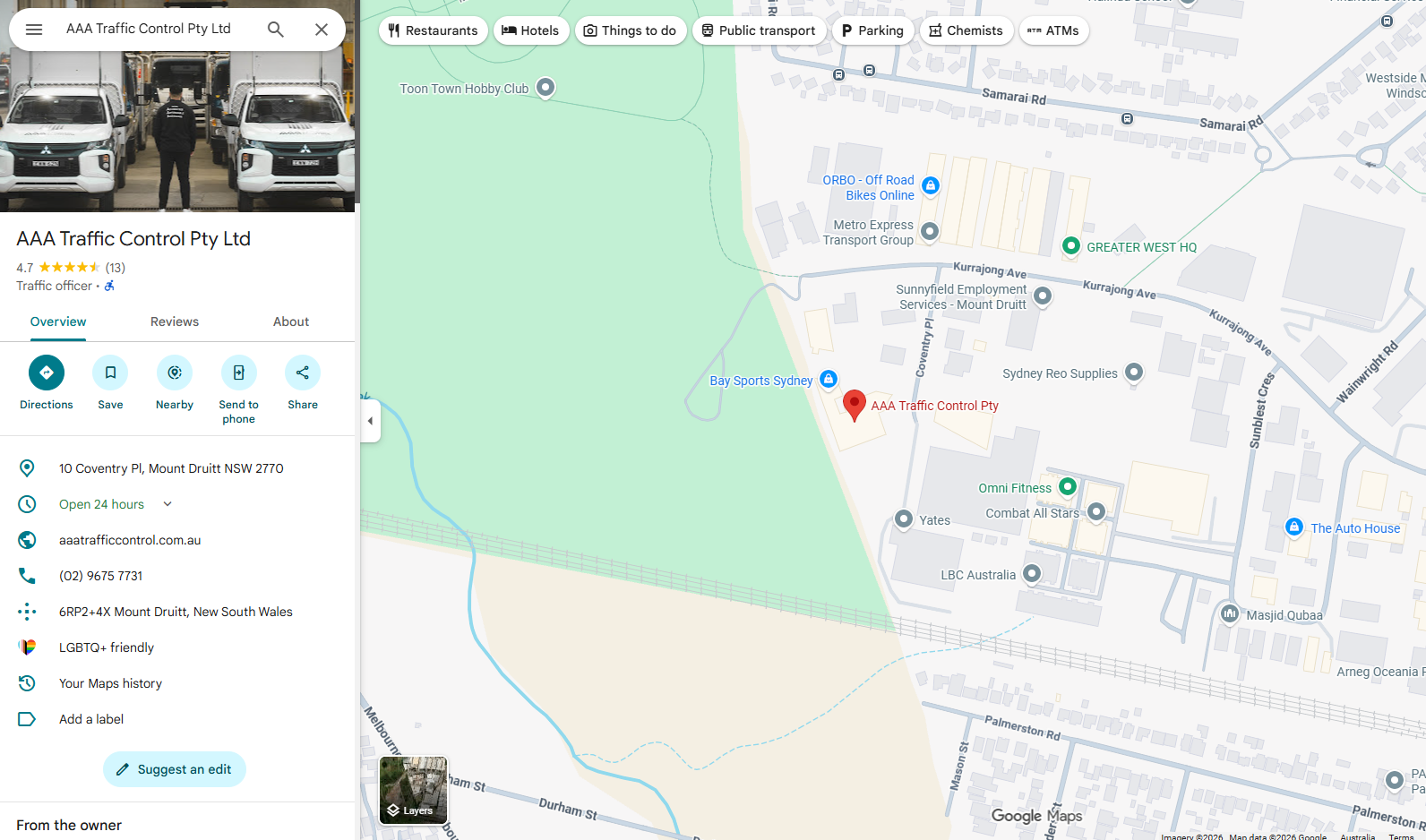
AAA Traffic Control Pty Ltd
10 Coventry Pl, Mount Druitt NSW 2770
(02) 96757731
Comments (0)