


Accessible and accurate medical records are crucial for hospitals clinics, and hospitals. Healthcare professionals need reliable information regarding the history of patients, their diagnoses and treatments, medicines, test results and routine clinical procedures to facilitate efficient management and care.
Making these documents manually accessible can produce paperwork, delay, and difficulties in accessing information. PatientERP provides solutions for digital records that help healthcare organizations organize medical records and enhance information management.
Modern Electronic Medical Records Software enables health professionals to keep the patient's information in a central digital environment. Instead of making use of physical files, hospitals could conserve important information about patients electronically and distribute it to the authorized users. Digital records can help reduce documents, boost accessibility and help health professionals to access relevant information when required.
A full Hospital EMR System can support hospitals in managing clinical information across different departments. Nurses, doctors and other healthcare professionals who are authorized can access appropriate patient records in line with their duties. An integrated EMR system can help in reducing duplicate records and improving coordination between different departments.
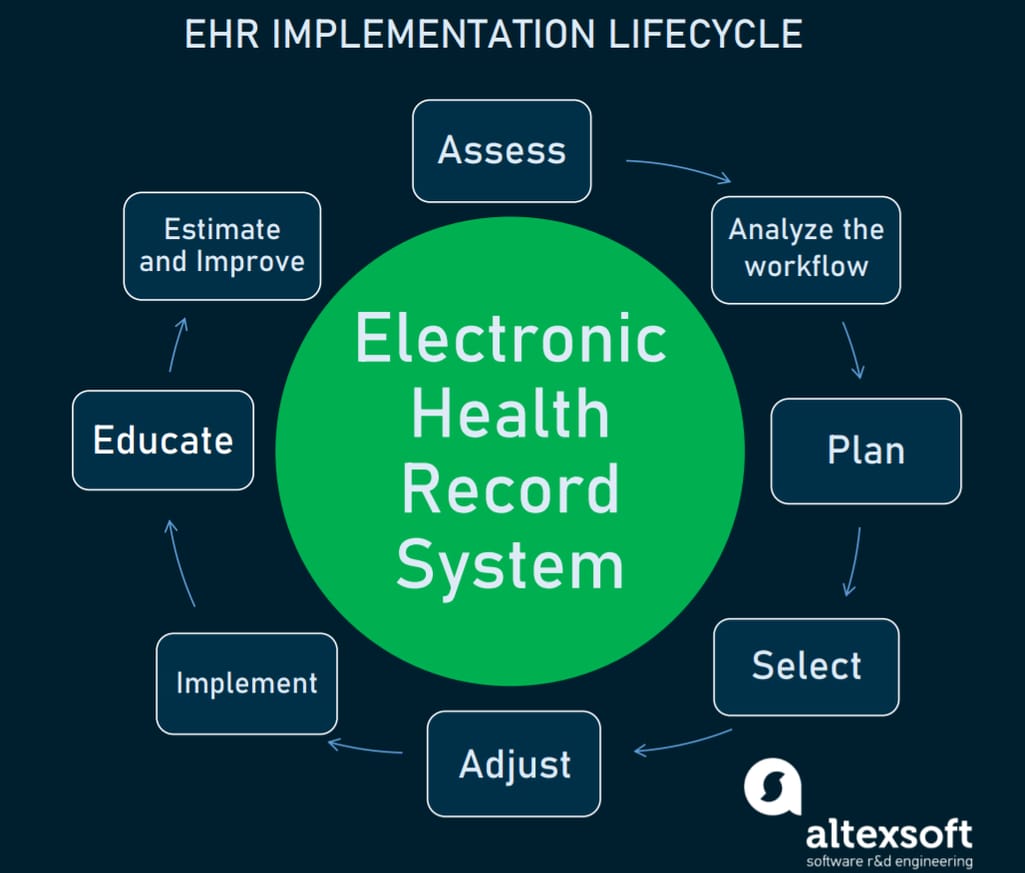
A Electronic Health Record System provides the ability to manage personal health data of the patient during their health journey. Recordings can include information about patients including diagnoses, treatment records as well as prescriptions, test results and more pertinent information. PatientERP allows healthcare professionals to create an environment that is more well-organized with the ability to ensure that important health details can be maintained systematically.
A fully integrated Electronic Medical Records System can aid hospitals in capturing the, maintain, and use clinical information. Medical professionals can change information about patients electronically. This helps to ensure that the information is organized and readily accessible. Electronic documentation is also a way to facilitate better communication between departments by helping healthcare professionals have reliable sources for patient data.
Hospitals seeking a flexible and adaptable healthcare technologies can profit from EHR Software for Hospitals. The software is able to support the organization of patient histories such as medical documents, clinical report, prescriptions, and other health information. In replacing paper-based, fragmented processes with a single platform hospitals will be able to improve efficiency while reducing administrative work.
A reliable Electronic Health Record Solution can be a great help in improving continuity of data. Patients' data is maintained regularly so healthcare professionals who are authorized could review the relevant information whenever they need to. This can be extremely beneficial when patients have access to services from multiple departments within the of the same health institution.
Digital Medical Records Software provides an easy way of managing massive amounts of patient data. The digital records can be searched, updated, and organized quicker than traditional records on paper. Organizations in healthcare can also minimize storage needs for physical documents while enhancing the accessibility of critical documents related to medical care.
A specific Clinical Record Management System can help healthcare professionals keep track of clinical information in connection with the patient's care. Details such as diagnoses, observations, treatment plans, tests, and other clinical note-taking can be managed digitally. PatientERP offers a well-organized approach to the management of clinical records, helping health care organizations keep up-to-date and well-organized information.
A complete Healthcare Record Management System can be used to link medical documentation with more general medical processes. When records of patients are organized in a unified environment and authorized users have access to relevant information more efficiently. This improves coordination between administration and clinical staff and aid in smoother hospital workflows.
The larger Hospital Information System can bring several areas of hospital operations, including managing patients, medical records in addition to billing, pharmacy appointment scheduling, laboratory services and administration. PatientERP offers a unified approach which helps hospitals manage all kinds of information in a single information system.
Making these documents manually accessible can produce paperwork, delay, and difficulties in accessing information. PatientERP provides solutions for digital records that help healthcare organizations organize medical records and enhance information management.
Modern Electronic Medical Records Software enables health professionals to keep the patient's information in a central digital environment. Instead of making use of physical files, hospitals could conserve important information about patients electronically and distribute it to the authorized users. Digital records can help reduce documents, boost accessibility and help health professionals to access relevant information when required.
A full Hospital EMR System can support hospitals in managing clinical information across different departments. Nurses, doctors and other healthcare professionals who are authorized can access appropriate patient records in line with their duties. An integrated EMR system can help in reducing duplicate records and improving coordination between different departments.
A Electronic Health Record System provides the ability to manage personal health data of the patient during their health journey. Recordings can include information about patients including diagnoses, treatment records as well as prescriptions, test results and more pertinent information. PatientERP allows healthcare professionals to create an environment that is more well-organized with the ability to ensure that important health details can be maintained systematically.
A fully integrated Electronic Medical Records System can aid hospitals in capturing the, maintain, and use clinical information. Medical professionals can change information about patients electronically. This helps to ensure that the information is organized and readily accessible. Electronic documentation is also a way to facilitate better communication between departments by helping healthcare professionals have reliable sources for patient data.
Hospitals seeking a flexible and adaptable healthcare technologies can profit from EHR Software for Hospitals. The software is able to support the organization of patient histories such as medical documents, clinical report, prescriptions, and other health information. In replacing paper-based, fragmented processes with a single platform hospitals will be able to improve efficiency while reducing administrative work.
A reliable Electronic Health Record Solution can be a great help in improving continuity of data. Patients' data is maintained regularly so healthcare professionals who are authorized could review the relevant information whenever they need to. This can be extremely beneficial when patients have access to services from multiple departments within the of the same health institution.
Digital Medical Records Software provides an easy way of managing massive amounts of patient data. The digital records can be searched, updated, and organized quicker than traditional records on paper. Organizations in healthcare can also minimize storage needs for physical documents while enhancing the accessibility of critical documents related to medical care.
A specific Clinical Record Management System can help healthcare professionals keep track of clinical information in connection with the patient's care. Details such as diagnoses, observations, treatment plans, tests, and other clinical note-taking can be managed digitally. PatientERP offers a well-organized approach to the management of clinical records, helping health care organizations keep up-to-date and well-organized information.
A complete Healthcare Record Management System can be used to link medical documentation with more general medical processes. When records of patients are organized in a unified environment and authorized users have access to relevant information more efficiently. This improves coordination between administration and clinical staff and aid in smoother hospital workflows.
The larger Hospital Information System can bring several areas of hospital operations, including managing patients, medical records in addition to billing, pharmacy appointment scheduling, laboratory services and administration. PatientERP offers a unified approach which helps hospitals manage all kinds of information in a single information system.
Comments (0)