


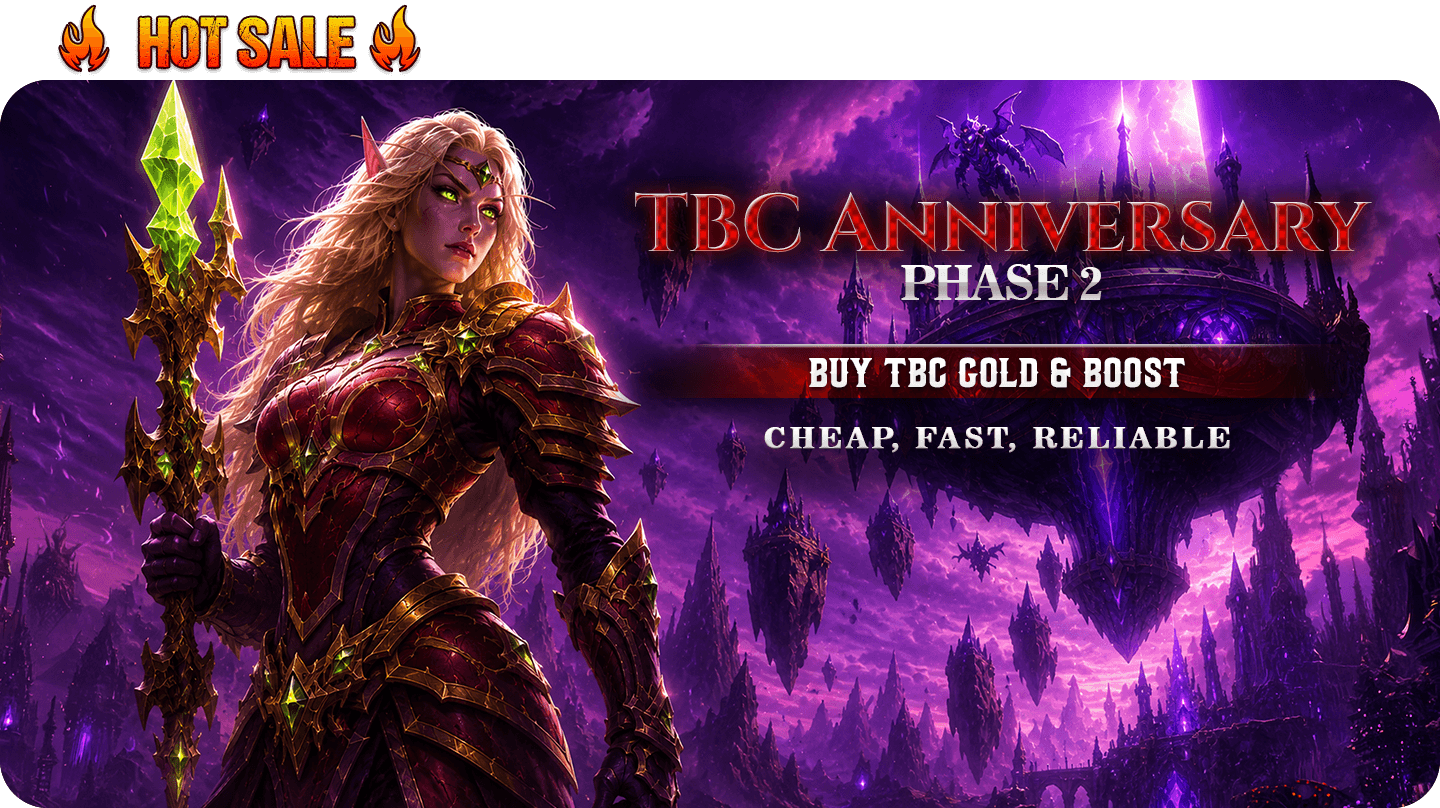
MMO games provide large simulated worlds with persistent gameplay that often revolve around fantasy or sci-fi universes, often including virtual economies.
Currency plays a pivotal role in progressing players in popular MMOs. Unfortunately, limited playtime and untrustworthy marketplaces can make progressing difficult; MmoGah provides a trusted global marketplace with secure transaction processes and quality control measures that makes progress easier than ever.
Gameplay
MMO games provide multiplayer gaming experiences where players interact with one another and artificial intelligence-controlled characters, in a persistent world that can be explored and accessed simultaneously by multiple players simultaneously. They are played across desktop computers, video game consoles and mobile devices like smartphones and tablets.
Character creation is often at the core of most MMORPGS' gameplay experience. A wide selection of options exists from hairstyle and head shape customization, clothing options, accessories, equipment purchases that enhance character performance in scripted quests or player-versus-player combat scenarios, and so forth.
Character creation
Character creation in most MMORPG games is highly sophisticated. Most offer multiple stages of customization, from selecting races and appearance features, to saving presets if time-saving is desired.
One of the primary sources of disagreement among gamers stems from differences in character performance during group content, often due to the complexity and difficulty offered by MMORPGs. Therefore, it is vital that you find one that meets your preferences.
Character development
MMO games provide players with an effective means of character development through leveling up, which enables them to strengthen, empower, and adapt their character better for the world they're playing in. Leveling can also assist them in reaching their goals faster.
MMO games have come a long way since text-based MUDs (multi-user dungeons) and early multiplayer adventure games arose to immersive 3D worlds that support thousands of simultaneous players simultaneously.
These games feature persistent game worlds that continue to exist even when players are no longer online, using multiple servers or duplicating worlds across shards (aka duplicate worlds on separate servers).
Leveling up
Many MMOR games feature leveling up as an essential aspect of gameplay, which is nothing wrong with itself; however, depending on what the player wants out of his leveling process it could either become tedious or lead to amazing rewards.
Luckily, most players aren't driven solely by levels. That being said, some may wish to level up as quickly as possible for world PvP or endgame cool zones - the game needs to make sure most players stay away from this path by decreasing exp rewards from quests, removing big floating question marks from quests, and providing task style quests with less convenient sets of tasks to complete.
PvP
Player versus Player (PvP) combat is an aspect of some MMORPGs that allows users to fight other human characters directly, either as an independent mode or seamlessly integrated within the world of the game. PvP can be contrasted with player versus Environment (PvE), in which opponents are controlled by the environment instead.
Some games have gone beyond traditional PvP by adding different gameplay facets. Black Desert Online stands out as an example, offering activities ranging from raiding guild castles to racing to capture resource nodes.
Economy
There is a virtual economy at work in many MMO games. Some developers have even taken steps to enable players to trade real money for virtual items and currency - this phenomenon being most prominently observed in MMORPGs but also existing in life simulation games like Second Life where Linden Dollars may be sold on third-party websites for real cash.
Game economies in theory should adhere to the fundamental principles of economics; however, many commercial products require significant time investments; those who can commit the extra hours will gain an edge over those who cannot.
Community
MMO games stand out with their immersive social element; players can interact with thousands of other players simultaneously while the world continues even after players leave offline - creating an intense and complex gaming experience for players.
Though they differ between games, all MMOs share a distinctive ambience characterized by latent hostility, anonymity, altruism, and casual gameplay. This unique community thrives not only within in-game chat systems but also across forums and social media platforms, where players discuss strategies, share experiences, and explore opportunities for free online game play . These spaces allow gamers to connect, collaborate, and enjoy immersive virtual worlds without barriers, enhancing the overall MMO experience.
MMOs also foster large, dedicated communities by rewarding achievements and requiring players to log in frequently - this social commitment motivates players to continue playing even when content dwindles down.
Currency plays a pivotal role in progressing players in popular MMOs. Unfortunately, limited playtime and untrustworthy marketplaces can make progressing difficult; MmoGah provides a trusted global marketplace with secure transaction processes and quality control measures that makes progress easier than ever.
Gameplay
MMO games provide multiplayer gaming experiences where players interact with one another and artificial intelligence-controlled characters, in a persistent world that can be explored and accessed simultaneously by multiple players simultaneously. They are played across desktop computers, video game consoles and mobile devices like smartphones and tablets.
Character creation is often at the core of most MMORPGS' gameplay experience. A wide selection of options exists from hairstyle and head shape customization, clothing options, accessories, equipment purchases that enhance character performance in scripted quests or player-versus-player combat scenarios, and so forth.
Character creation
Character creation in most MMORPG games is highly sophisticated. Most offer multiple stages of customization, from selecting races and appearance features, to saving presets if time-saving is desired.
One of the primary sources of disagreement among gamers stems from differences in character performance during group content, often due to the complexity and difficulty offered by MMORPGs. Therefore, it is vital that you find one that meets your preferences.
Character development
MMO games provide players with an effective means of character development through leveling up, which enables them to strengthen, empower, and adapt their character better for the world they're playing in. Leveling can also assist them in reaching their goals faster.
MMO games have come a long way since text-based MUDs (multi-user dungeons) and early multiplayer adventure games arose to immersive 3D worlds that support thousands of simultaneous players simultaneously.
These games feature persistent game worlds that continue to exist even when players are no longer online, using multiple servers or duplicating worlds across shards (aka duplicate worlds on separate servers).
Leveling up
Many MMOR games feature leveling up as an essential aspect of gameplay, which is nothing wrong with itself; however, depending on what the player wants out of his leveling process it could either become tedious or lead to amazing rewards.
Luckily, most players aren't driven solely by levels. That being said, some may wish to level up as quickly as possible for world PvP or endgame cool zones - the game needs to make sure most players stay away from this path by decreasing exp rewards from quests, removing big floating question marks from quests, and providing task style quests with less convenient sets of tasks to complete.
PvP
Player versus Player (PvP) combat is an aspect of some MMORPGs that allows users to fight other human characters directly, either as an independent mode or seamlessly integrated within the world of the game. PvP can be contrasted with player versus Environment (PvE), in which opponents are controlled by the environment instead.
Some games have gone beyond traditional PvP by adding different gameplay facets. Black Desert Online stands out as an example, offering activities ranging from raiding guild castles to racing to capture resource nodes.
Economy
There is a virtual economy at work in many MMO games. Some developers have even taken steps to enable players to trade real money for virtual items and currency - this phenomenon being most prominently observed in MMORPGs but also existing in life simulation games like Second Life where Linden Dollars may be sold on third-party websites for real cash.
Game economies in theory should adhere to the fundamental principles of economics; however, many commercial products require significant time investments; those who can commit the extra hours will gain an edge over those who cannot.
Community
MMO games stand out with their immersive social element; players can interact with thousands of other players simultaneously while the world continues even after players leave offline - creating an intense and complex gaming experience for players.
Though they differ between games, all MMOs share a distinctive ambience characterized by latent hostility, anonymity, altruism, and casual gameplay. This unique community thrives not only within in-game chat systems but also across forums and social media platforms, where players discuss strategies, share experiences, and explore opportunities for free online game play . These spaces allow gamers to connect, collaborate, and enjoy immersive virtual worlds without barriers, enhancing the overall MMO experience.
MMOs also foster large, dedicated communities by rewarding achievements and requiring players to log in frequently - this social commitment motivates players to continue playing even when content dwindles down.
Comments (0)