


The demand for skilled cybersecurity professionals is increasing as organizations face more advanced threats targeting sensitive data, systems, and user identities. Companies are searching for experts who can protect digital assets while also taking responsibility for security planning and decision-making. CyberArk expertise offers professionals valuable experience in privileged access management, identity protection, and enterprise security CyberArk Online Course operations. With continuous learning and the development of leadership skills, CyberArk specialists can create a pathway toward senior cybersecurity and management roles.
The Importance of CyberArk in Today’s Security Environment
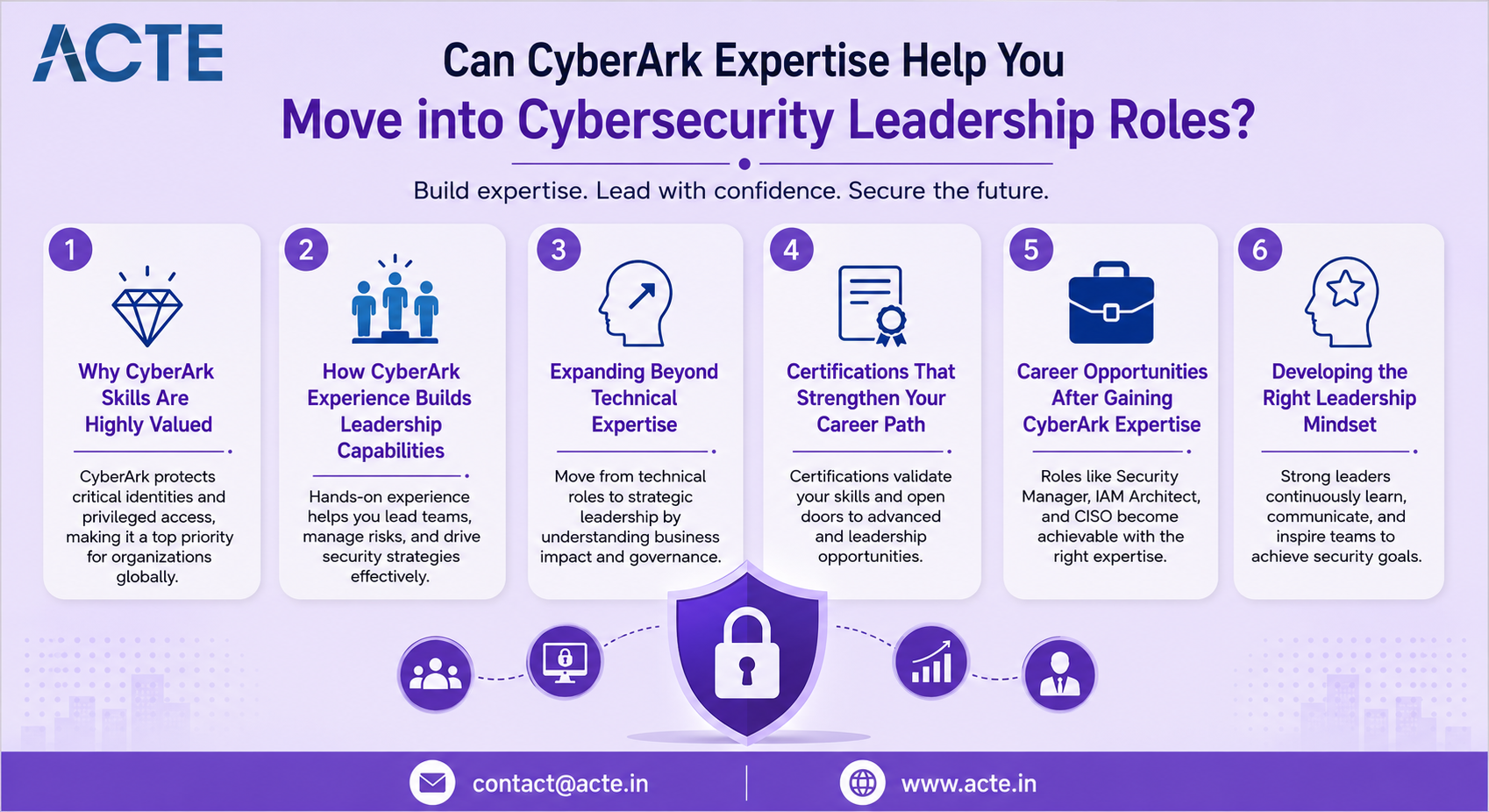
CyberArk is a widely recognized Privileged Access Management (PAM) solution that helps organizations protect critical accounts and control access to sensitive resources. Privileged accounts often provide extensive permissions, making them a major target for cyber attackers. CyberArk professionals help reduce these risks by managing credentials, enforcing access controls, and improving security policies. This experience provides a strong understanding of how organizations protect important systems and maintain a secure digital environment.
Building Expertise in Privileged Access and Identity Security
Working with CyberArk allows professionals to develop specialized skills in identity security and access management. They gain practical knowledge of securing privileged accounts, monitoring access activities, implementing authentication controls, and supporting compliance requirements. Since identity protection has become a major focus in cybersecurity, professionals with CyberArk experience gain expertise in an area that is highly valuable to modern organizations. These skills can support career growth and open opportunities for advanced security responsibilities.
Gaining Real-World Security Experience
CyberArk professionals often work on projects that involve multiple departments, including security teams, infrastructure teams, application owners, and compliance groups. This collaboration provides exposure to different aspects of enterprise security operations. Managing access requests, supporting audits, improving security processes, and resolving technical challenges help professionals understand how cybersecurity strategies are CyberArk Course in Chennai implemented in real business environments. This practical experience is important for those who want to move into roles with greater responsibility.
Developing Leadership Skills Through CyberArk Roles
CyberArk responsibilities often require professionals to take ownership of security projects and collaborate with different stakeholders. These activities help build essential leadership skills such as communication, problem-solving, planning, and decision-making. Professionals who manage CyberArk deployments, CyberArk Course in Bangalore participate in security improvements, or guide team members gain experience that prepares them for leadership positions. Over time, they can transition from technical contributors to professionals who manage teams and influence security strategies.
Expanding Knowledge Beyond CyberArk
Although CyberArk expertise is highly valuable, cybersecurity leaders need a broad understanding of multiple security areas. Professionals can strengthen their career prospects by learning about Identity and Access Management (IAM), cloud security, Zero Trust architecture, security governance, risk management, and compliance frameworks. This additional knowledge helps CyberArk specialists understand the bigger cybersecurity picture and contribute to strategic initiatives that protect organizations from evolving threats.
Certifications That Enhance Career Growth
CyberArk certifications can validate a professional’s technical abilities and demonstrate expertise in privileged access management. However, professionals who want to move into leadership roles should also consider certifications that focus on broader cybersecurity concepts. Credentials such as CISSP, CISM, Security+, and cloud security certifications can enhance knowledge of security architecture, governance, and risk management. Combining CyberArk skills with industry-recognized certifications can improve career opportunities and support advancement into senior roles.
Career Opportunities for CyberArk Professionals
CyberArk expertise can lead to various career paths within the cybersecurity industry. Professionals may begin as CyberArk Administrators, PAM Engineers, or Identity Security Specialists before moving into roles such as IAM Manager, Security Architect, Cybersecurity Consultant, or Information Security Manager. As businesses continue investing in identity-focused security solutions, professionals with CyberArk knowledge are increasingly valuable CyberArk Course in Hyderabad for managing security programs and leading access protection initiatives.
Building the Mindset of a Cybersecurity Leader
Transitioning into cybersecurity leadership requires more than technical knowledge. Professionals must develop strategic thinking, communication abilities, and the confidence to make security decisions. CyberArk specialists can prepare for leadership roles by managing projects, mentoring colleagues, collaborating with stakeholders, and understanding business objectives. Developing these qualities helps professionals become effective security leaders who can guide teams and support organizational goals.
Conclusion
CyberArk expertise can play an important role in helping professionals advance into cybersecurity leadership positions. The skills gained in privileged access management, identity protection, compliance, and enterprise security provide a strong foundation for career progression. By expanding their cybersecurity knowledge, earning relevant certifications, and developing leadership capabilities, CyberArk professionals can move toward senior-level roles with greater impact. As organizations continue prioritizing identity security, CyberArk specialists will have strong opportunities to lead cybersecurity initiatives and shape the future of digital protection.
Comments (0)